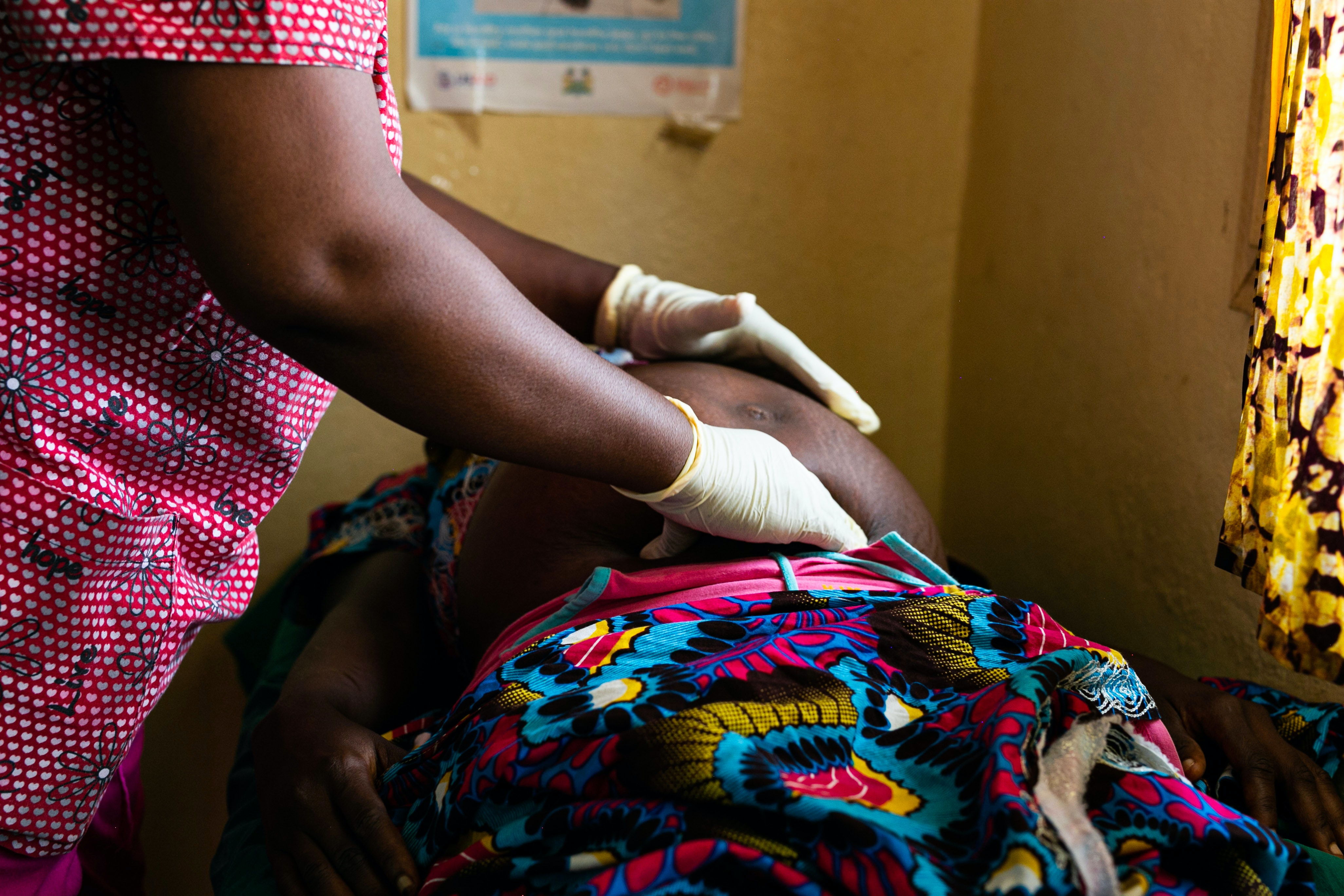
Maternal and newborn deaths are a major public health problem in Kenya. In 2020 the maternal mortality ratio was 530 deaths per 100,000 live births. This is much higher than the global average of 223 maternal deaths per 100,000 live births. The ratio of babies who die in the first month of life (neonatal deaths) is also higher than the global average. Kenya’s neonatal death rate is 21 deaths per 1,000 live births. The global rate is 18 deaths per 1,000.
Most of these deaths can be prevented if women receive maternal health services. These include care during pregnancy and skilled attendants during childbirth. The World Health Organization has recognised that user fees are a major barrier to care like this.
To provide more women with healthcare during pregnancy and childbirth, Kenya introduced free maternity health services in 2013. The programme – known as Linda mama – consists of a package of benefits. The benefits include antenatal care, attended delivery and outpatient care for infants up to nine months. This programme is a step towards universal health coverage for Kenya.
Pregnant women can use these services at a range of healthcare facilities including those run by the government, faith-based organisations, nongovernmental organisations, or private providers. Women with alternative medical insurance are excluded from the service.
In our recent study we wanted to show the impact of this policy. We focused on: neonatal deaths; skilled birth attendants; and children born with low birth weight. Further, we presented the cost-benefit analysis of the free maternity policy. Estimating the policy’s contribution is important to guide its sustainable funding through budgeting.
We found an overall improvement in maternal and newborn health outcomes. More women – especially poor women – are now able to access maternal care. And the net benefits of the policy were much greater than the costs. Further investment into the free maternity policy could potentially avert even more maternal and neonatal deaths.
Our study
We used data from Kenya’s demographic health survey to evaluate the impact of the free maternity care policy on a key set of indicators. We compared the rates before and after the start of the policy. The indicators we focused on were:
-
early neonatal mortality (dying within the first seven days of life): Our study showed that the probabilities of birth resulting in early neonatal mortality after the implementation of the policy were significantly reduced by 21 percentage points from 22 deaths per 1,000 live births in the period before the policy was implemented to approximately 17.4 deaths per 1,000 live births after the policy was implemented. This reduction shows the investments in public health initiatives (such as free maternity care and possibly free primary care), improved access to water and sanitation are bearing fruits.
-
neonatal mortality (dying within the first 28 days of life): The probabilities of birth resulting in neonatal mortality were significantly reduced by 20 percentage points. As with early neonatal mortality, this contributed to the reduction from 22 deaths per 1,000 live births in the period before the policy was implemented to approximately 17.6 deaths per 1,000 live births after the policy was implemented.
-
skilled birth attendance: Our study shows that the probability of skilled birth attendance increased by 16 percentage points. This was not statistically significant because while some of the improvements could have been due to the free maternity policy, the remainder of the effect is possibly attributed to other mechanisms such as quality of care (neonatal and maternal), availability of antenatal care and identification of possible complications earlier on in pregnancy, which need to be explored in the future. Though not significant, it also plausibly shows that many women who were not accessing maternal care before the policy could consequently be accessing it as a result. In the five years before the free maternity policy 61.8% of all births were attended by a skilled health professional. Currently, 89.3% of all births now have skilled birth attendance.
-
low birth weight: Our study shows that the probability of a child having low weight at birth increased by 4.4 percentage points. This was also not statistically significant. The prevalence of newborn babies with low birth weight prior to the free maternity policy was 6.89%..
We also did a limited cost–benefit analysis to assess the net social benefit of the free maternity policy. We used the most appropriate cost-effectiveness indicators (cost vis-a-vis effectiveness) and compared the annual cost of implementing the policy to the average annual per neonatal death averted.
With the policy shown to have resulted to on average 4,015 fewer neonatal deaths after its implementation, the cost-to-benefit ratio of the policy was 21.22. The net benefits received from the policy were 21 times higher than the cost. This shows that the free maternity policy is associated with a high return to the country. Policymakers need to look at ways of further expanding and sustainably funding the free maternity policy for even better outcomes.
Way forward
The reduction in early neonatal and neonatal mortality and increase in skilled delivery brought on by the policy can be maintained if more women are encouraged to give birth in health facilities. This can be done by promoting awareness of the policy and the benefits package.
The government must address the health system challenges that could hamper the policy’s positive impact. The challenges include health worker shortages, increased workload and shortages of drugs.
In addition, more facilities should be accredited to provide free maternity services. This will address the issue of people having to travel long distances to access the free maternity benefits.


