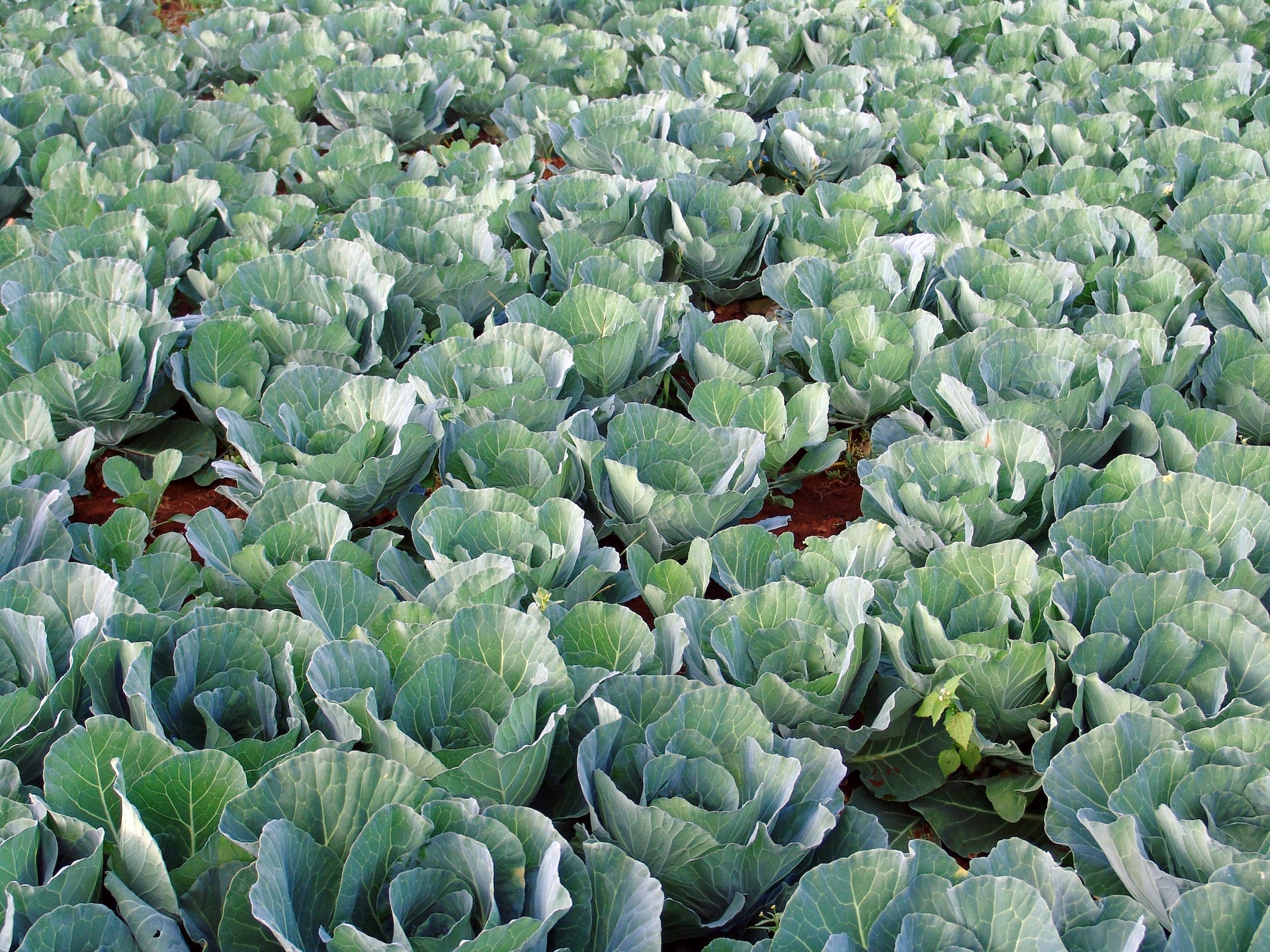
More than 80% of Kenya’s land mass is made up of arid and semi-arid areas. So, if Kenya is to increase its agricultural production, which currently accounts for 22.4% of GDP, it must turn to irrigation-based farming in the arid and semi-arid areas. Agricultural engineer Bancy M. Mati explains how the east African nation can go about this.
What’s the state of Kenya’s irrigation development?
Kenya’s irrigation potential is about at 1.342 million hectares of land. But the government has also pointed out in its long-term plan – Vision 2030 – that an additional 9.2 million hectares in arid and semi-arid regions have the potential for crop production through irrigation. Irrigation could be achieved mostly by a reliance on perennial rivers, underground water and, in some cases, harvested rain water.
The exclusion of this additional potential in most planning and policy documents, including the current National Irrigation Policy, means that the country’s irrigation potential is underestimated. It is much greater than listed in most reports.
Only 19% of the area of Kenya officially assessed for irrigation has been developed. There is renewed impetus to expand and promote irrigation development. But the government’s investments are still focused on large-scale (expensive and tech-heavy) schemes.
In my view, the future growth and development of agriculture in Kenya will rely on developing the dry areas, which have low population density (less competing land use). The country should also intensify production in arable areas through irrigation.
Developing the drier areas is particularly important because they host the majority of food-insecure households. The prevalence of severe food insecurity is estimated at around 26.1% of the total population or about 14 million people. The majority of the food-insecure people in Kenya are living in the arid and semi-arid lands.
What’s not known about Kenya’s irrigation growth?
I have recently studied informal irrigation initiatives across the country. I found that planners, policymakers and financiers tend to see irrigation development as occurring only within “schemes”. That is how the Kenyan law perceives irrigation projects. The law is important because it specifies what constitutes an irrigation undertaking for purposes of policy and other forms of support.
Yet, I found that individual farmers are quietly developing a substantial amount of irrigation themselves. Small-scale farmers are leading in the uptake of simple equipment for irrigation. But farmer-led initiatives are still unrecognised, unrecorded and ignored by the government.
The term “farmer-led irrigation development” is fairly recent, having been coined in 2017. But it has been practised in Kenya for a long time. A wealth of knowledge has emerged on its technological, economic and social components as a concept (not specifically in Kenya).
Still, Kenya’s policies, statutes and development plans don’t capture it explicitly. Its extent is largely unknown in official circles since it has not been mapped.
Based on my observations of irrigation value chains, the farmer-led initiative is set to become the next big thing pushing the growth of irrigation in Kenya.
This is more so as irrigation moves from public to private investment. The private sector is more adept at mobilising funds for irrigation and marketing the production. For instance, most of the irrigated vegetables sold in the market today are from farmer-led irrigation. Most of the buyers of irrigation equipment also happen to be individual farmers.
What are the drivers of farmer-led irrigation?
Kenya is urbanising rapidly. Urbanisation is associated with higher incomes and changing lifestyles. Food preferences shift towards high-value products like meat, dairy, fruit and vegetables.
The changes in food preferences have expanded markets for crops from irrigated agriculture. High-value crops are generally fresh produce sold off-season, when the price is highest. These require irrigation, which presents an opportunity to introduce new technologies like energy-efficient solar pumps and improved water application systems.
Smallholder, market-oriented producers have been at the forefront of irrigation expansion across Africa over the last two decades.
Based on my research, there are four main drivers of farmer-led irrigation in Kenya:
-
availability of appropriate and affordable irrigation technologies
-
land rights
-
access to finance
-
favourable prices paid to farmers.
Others are ease of access to information, a well-developed mobile money transfer system and relatively well-educated farmers willing to invest in irrigated agriculture.
What should be done to expand irrigation?
There is huge scope for irrigation expansion in Kenya through farmer-led initiatives and private financing. Where individuals and small groups make their own investments to advance irrigation, they record better success rates and fewer failures than the large public sector schemes.
Read more: Irrigating Africa: can small-scale farmers lead the way?
Farmer-led irrigation development is entrepreneurial, self-financing and market-oriented. Therefore, it requires these low-cost interventions.
Policy support: there is a need to assess the extent of farmer-led irrigation in the country. This should include mapping to explore its impacts and opportunities for upscaling and possible policy support. Being “invisible”, the sector currently misses out on various subsidies, incentives and opportunities that are available for publicly funded schemes in Kenya. It is necessary to deliberately channel resources to support farmer-led irrigation through projects, subsidies, incentives, capacity building and access to information for farmers.
Efficient water systems: in the past, irrigation schemes were designed with little concern for water wastage. But as water scarcity becomes more acute, there is a need to improve the water productivity of crops and the overall efficiency of irrigation.
Institutional support: farmer-led irrigation needs institutional support in areas like design (water pans, wells and gravity diversion works), efficiency, productivity and economic return analysis.
Research support: research will guide policymakers and other actors in the irrigated agriculture space. At the moment, data is scanty.


