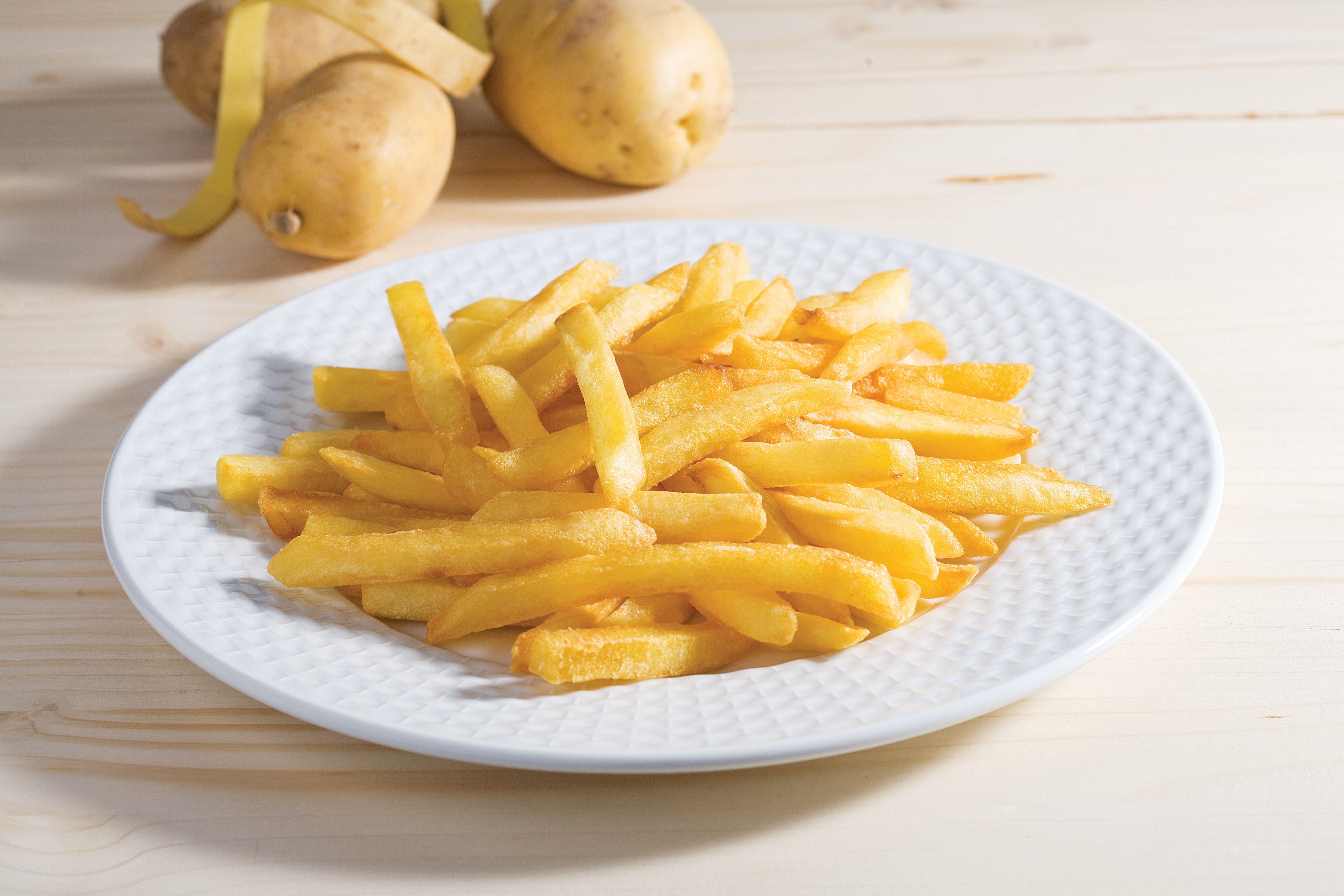
It all started as the mere lack of potato chips at a global fast food chain that couldn’t keep up with demand during the festive season. It then became apparent that big fast-food players don’t serve Kenyan-grown potato chips because of perceived poor quality. The social media outrage decrying missed business opportunities while disputing poor quality forced the government, fast food players and farmers into action. We asked agricultural development researcher Timothy Njagi Njeru and economist X.N. Iraki to explain the context for the controversy.
Why were consumers outraged?
Timothy Njagi Njeru: The Kenyan public was outraged by KFC’s admission that it was facing potato supply shortages due to delays from overseas suppliers. KFC imports potatoes from Egypt and the delay was caused by the disruption in global supply chains due to the pandemic. KFC could not buy Kenyan potatoes because they do not meet the firm’s quality standards. So it could not serve its signature dish – potato chips and chicken.
But Kenyans saw this as a failure to support local farmers. Some saw the insistence on standards as an excuse not to purchase locally. They pointed out that Kenya is a major exporter of fresh produce to the European market.
X.N. Iraki: This row left my head spinning. It seems to me that few members of the public in Kenya knew that potatoes used to make chips by fast food chains are imported. We just ate and enjoyed the chips. Curiously it’s KFC that disclosed this. The story quickly morphed from shortage to quality, that KFC can’t get quality potatoes in the Kenyan market.
What determines the quality of potatoes?
Timothy Njagi Njeru: A number of factors: seed quality, production system, environmental and climatic factors, handling and storage. Certified seed guarantees the characteristics of a specific variety, such as the seed being disease-free, and the potato’s texture, size and shape.
The other determinant is where and how the potato is grown. Soil type and quality, altitude, rainfall and temperature affect the growing environment. Inputs such as fertiliser, manure and agrochemicals affect the plant’s health and the output from the crop. Harvesting is also critical for potatoes. Bruised potatoes have a low shelf life and are not preferred by consumers.
After harvesting, potatoes are sorted for packaging. Storage is critical. Dark, cold storage prevents the potatoes from sprouting and changing colour, and help maintain freshness.
Finally, transport can also affect quality. The recommended bags reduce the chances of bruising.
What are the standards for assessing potato quality?
Timothy Njagi Njeru: The US standards are common for assessing potatoes at the international market. They classify potatoes as US No 1, US commercial and US No 2. These standards are guided by the potato’s size, colour, aroma and cleanliness.
Kenya and the East African Community do not have a standard for potatoes sold to consumers. However, a standard for potato seed does exist and Kenya has regulations for potato packaging.
The common practice in Kenya when grading potatoes is usually by variety, size of the potato and cleanliness, which is assessed physically as free from physical damage, disease or sunburn. However, this is very subjective and basically a negotiation between the buyers and producers.
X.N. Iraki: The US department of agriculture standards also look at disease or damage by other causes.
Whose role is it to ensure quality in Kenya?
Timothy Njagi Njeru: Potato is a scheduled crop under the Crops Act, 2013. This means that the Agriculture and Food Authority should provide regulations for the crop. Seed quality plays a critical role in the potato available to consumers. Kenya Plant Health Inspectorate Services regulates seed quality. County governments are charged with crop development and marketing.
Ideally, the Agriculture and Food Authority should be working with County governments to ensure that the production and marketing standards are in place and monitored. This has been a massive gap in the past, although the working relations between the Authority and County governments has improved in recent years. The potato value chain also has the National Potato Council of Kenya, a multi-stakeholder organisation to organise and coordinate potato value chain activities.
These institutions have made significant efforts in lobbying for more effective policies and bridging data gaps. But Kenyan consumers are blissfully unaware of the lack of formal standards.
What must Kenya do to meet consumer-driven standards?
Timothy Njagi Njeru: In the past, this has always been a challenge due to the informality of agricultural markets. However, as the country is developing cold chain storage under the Warehouse Receipts System, an opportunity to start introducing standards for more formal markets should be explored. The system is an internationally accepted means to assure quality of produce.
Kenya imports potatoes from various countries for high-end consumers and market segments. These standards should be made known to farmers so that those who can meet them can participate in these markets. It’s not acceptable to claim that farmers do not meet set quality standards when they are unknown.
Finally, the country needs to strengthen agricultural extension and marketing systems. Farmers must learn about opportunities and what they can do to take advantage of them. Nyandarua county government has already announced a partnership with one fast food franchise to explore purchasing potatoes locally. The next step is to build the capacity of farmers and provide the required infrastructure to ensure that farmers can meet the set standards.
X.N. Iraki: We must start with the farmers. They have to get quality seeds, use the right fertilisers and pesticides if they have to, store potatoes properly and transport them without damage. Regulators must do their work to enforce the standards. If this is done, farmers can access non-traditional markets that will pay a premium for higher quality produce and improve their incomes.


