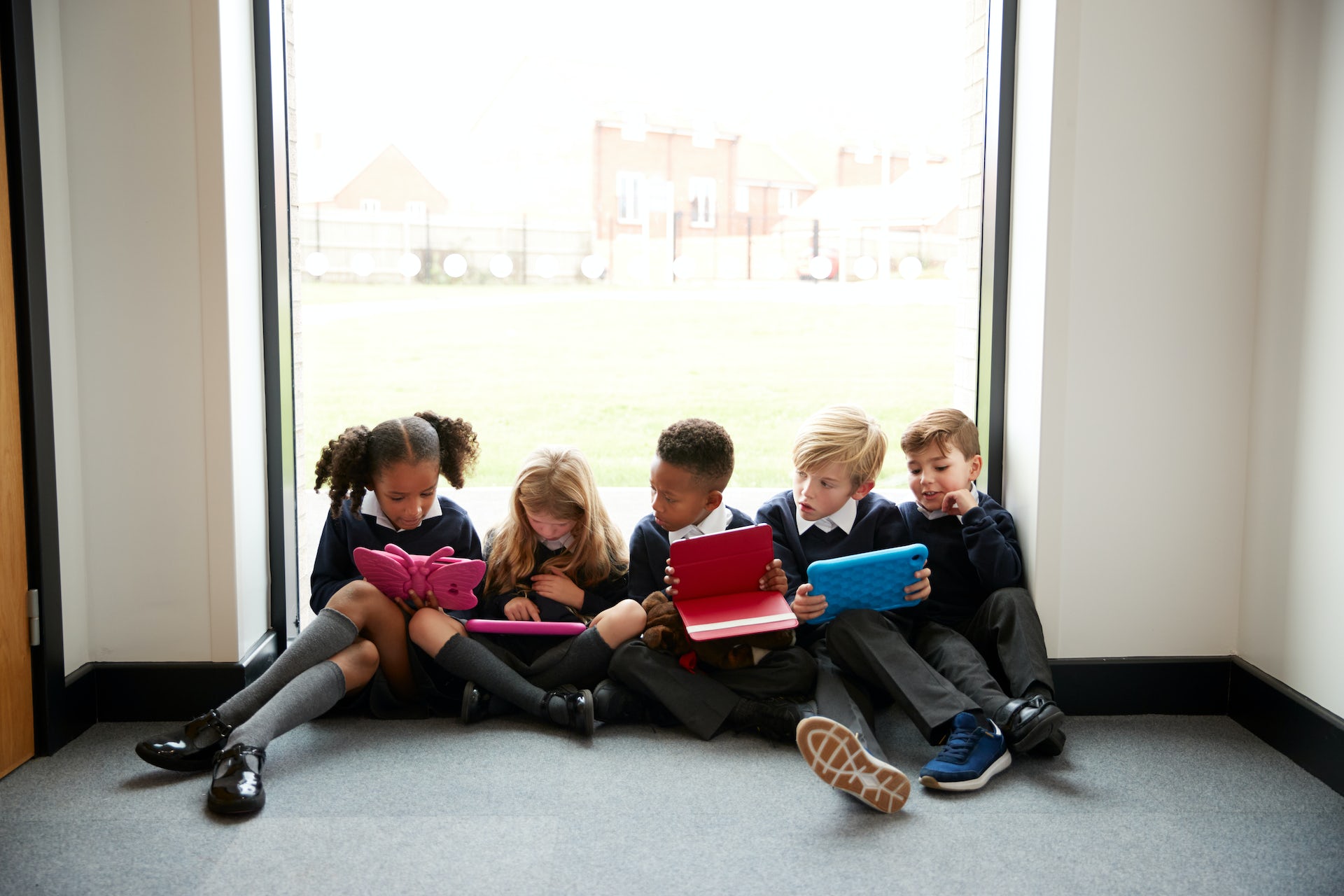
How much time did your child spend looking at a screen today?
The answer likely depends on how old they are, what grade they’re in at school and what rules you have in place at home about screen time. But the reality is that, for children and adolescents growing up as “digital natives”, it is almost impossible to imagine life without screens of some sort.
Devices like cellphones, laptops and tablets have become ubiquitous as tools for entertainment and education in most parts of the world. This has led parents, guardians, teachers and researchers to wonder whether screens are good or bad for children.
The World Health Organization recommends that school-going children (five-17 years) limit their recreational screen time. The recommendation for two to four year-olds is not more than one hour of screen time per day (less is better); it suggests that children younger than two should have no screen time. Research evidence suggests that children and adolescents were already exceeding these recommendations, and that the COVID-19 pandemic only made this worse.
There isn’t yet conclusive evidence about whether screen time is good or bad for children. But, based on my ongoing research into children’s development – including the role of play, sleep, physical movement and screen time – my view is that there are benefits of educational screen time, but we don’t know enough about the potential harms.
Nevertheless, there are several things parents and teachers can do. This includes basics such as being aware of how much time children are spending on screens and what their posture is like through, to more complex issues such as what each child’s developmental weaknesses and strengths are. It also involves setting boundaries.
None of this is easy to implement. However it doesn’t mean that they cannot be a healthy goal worth working towards. It is never too late to start, but the earlier you do, the better.
Covering the basics
First, it is essential for parents to be aware about how screen-based activities (educational and recreational) influence their child’s development, as well as their behaviour.
Secondly, remember that all children are different and will therefore respond differently to screen time. So understanding the child and their strengths and weaknesses is key. For example, if a child struggles with managing sensory input – like loud noises, bright lights or certain textures – it may be better for them to avoid recreational screen time.
Read more: Why screen time for babies, children and adolescents needs to be limited
Thirdly, establish boundaries around screen time. This is key at home and at school.
Fourth, keep tabs on how screen time is stopping children from doing other things that are developmentally beneficial. For example, in the home, a child who is learning mostly on screens at school could be encouraged to spend time after school playing outside, and doing activities that develop fine motor skills. Screen swiping and typing are poor substitutes for activities that stimulate these skills, like writing, drawing, colouring in, painting, and cutting.
Fifth, in a school environment, are there other activities that provide children and adolescents opportunities to intentionally develop their social and emotional skills that are not getting as much attention when they are working alone on screens?
Sixth, are screens set up in such a way that encourages good posture?
Baby steps
Setting boundaries and striving for a healthy balance of educational and recreational screen time within the broader context of development may seem daunting.
It requires thoughtfully reflecting on the wider impacts of the choices made around screens, and offering a range of opportunities that help to boost chlidren’s chances of growing up to be healthy and well-adjusted adults.
As much as possible, involve children and adolescents in conversations about why a healthy balance of screen time will benefit them. This can help them take ownership of their choices about their health and development – both in the present as well as their future health and well-being.


