Land debate in South Africa is about dignity and equality – not the constitution:
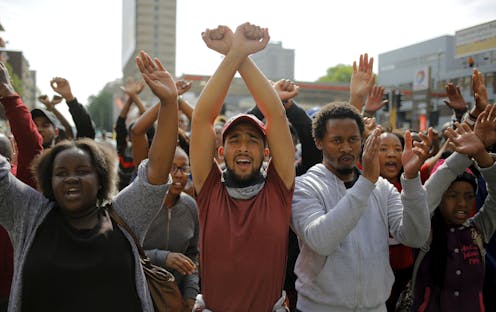
If you want economic change in South Africa, create a crisis – then stand by to negotiate a way out of it.
The country’s current debate over land expropriation without compensation, which has now been endorsed by Parliament, is important. Not because, as some fear, it will radically change the constitution. Rather, it tells South Africans how, in the economy and other spheres, the country deals with its minority ruled past: by crisis followed by compromise.
Crises are the only way change happens because, since the 1970s, the goal of the minority which has called the shots in the society for decades has been to ensure that changes alter as little as possible. Which, of course, means clinging to many of the inequalities which existed before all adults were allowed to vote in 1994.
So most businesses – and professional practices and places of learning – do not change until a crisis forces them to look again at what they need to give up to keep things as much the same as possible. Because this means keeping black demands for change at arm’s length, the crises always happen when black people get angry with current arrangements and make demands which force a reaction.
The negotiations which produced the 1994 constitution began because the costs of black anger at apartheid were growing. They followed reforms to labour law, which were triggered when angry strikers in Durban demanded pay increases in 1973, and the end of curbs which kept black people out of the cities, a reaction to the anger of the 1976 Soweto protests and the refusal of angry migrant workers in the same year to live in single-sex hostels.
Recently, it took angry protests on campuses to trigger discussions at universities on how to change to meet the needs of black students. Race is debated seriously only when black people get angry over racial prejudices in advertising or company behaviour or on social media.
The crises always end in compromises because none of the country’s key interests can impose what they want on the others without severely hurting themselves. This is particularly so in the economy: forcing change on the owners of capital will kill investment and growth – ignoring demands for reform will trigger costly resistance.
The land debate’s message
The land debate illustrates the point.
Moves to change the constitution are dramatic because they threaten the property rights on which the market economy rests. They are, therefore, the most significant expression of black anger at the survival of pre-1994 inequalities since South Africa became a democracy.
Inevitably, they have prompted a crisis: a public debate which has been fixated on former president Jacob Zuma is now discussing economic divides. The debate is polarised and heated – but among middle class black people, support for the change seems overwhelming.
Outsiders might be surprised that tensions caused by economic inequalities focus on land – farming has not been South Africa’s key industry for decades. The reason it triggers such heat is that for South Africans, “land” is a symbol of far more than an expanse of soil. For most people, it has nothing to do with agriculture at all.
Historically, the demand by black freedom movements for the return of the land meant the return of the country to its people – it was directed not only at ownership of farms but at minority control of the economy and society . This is why expropriation without compensation has become a rallying cry for many who have no interest in farming but who feel that a quarter century of democracy has not ended white privilege. It symbolises a much broader demand for change.
It is also why no-one has paid much attention to arguments about the technical merits of land expropriation and why there is such support for a constitutional change despite the fact that there is no need for it because expropriation without compensation is possible now.
Property rights are protected by Section 25 of the constitution which stipulates that compensation must be paid. But it also says that this may not be used to
impede the state from taking legislative and other measures to achieve land, water and related reform, in order to redress the results of past racial discrimination.
So, if the government can show that expropriation redresses race discrimination, it need not pay compensation.
But this has been ignored because the dispute is about dignity and equality, not constitutional clauses.
Compromises will be made
Like all South African crises, this one will end in a compromise – its details have been discussed by lawyers and reported by newspapers. It seems likely that Section 25 will be changed to allow for expropriation without compensation. But the clause will specify very clearly that this can only happen in very particular circumstances, which it will carefully define.
If it does this, property rights will be protected because owners will know that they are entitled to compensation unless they act in a way which forfeits their right. It seems likely that investors will not have to do much to retain the right to compensation.
On the surface, this, like all good compromises, will solve the problem by giving both sides some of what they want. Land owners who hold the state to ransom will risk losing compensation; property rights will be protected, making investment safe. But, if that is all that happens, an opportunity will be missed.
The pattern described here – in which the country’s elites are very good at compromising in the face of crisis but just as good at creating the crises which force them to compromise – is hardly the ideal way to build a fairer economy and society.
Past wrongs need to be addressed
Crisis drives change because elites have avoided negotiating economic reforms which will redress past wrongs while protecting the assets of investors who play by the rules. This forces black people to get angry if they want to be heard and will create new crises if it is not addressed now.
Since the dispute is really about the economy, the solution lies in negotiating the economic changes which cause the anger in the first place.
The dispute’s importance depends not whether it produces a compromise on land but on whether it begins negotiations on opening the economy to the excluded. This alone will reduce the anger which makes crisis the only mode of change and ensure a less dramatic but more lasting way of addressing economic challenges.

Steven Friedman does not work for, consult, own shares in or receive funding from any company or organisation that would benefit from this article, and has disclosed no relevant affiliations beyond their academic appointment.
Source: The Conversation – Articles (AFRICA)
Read more on The Conversation.
Join the fun: Add Your event | Submit a Press Release | Add your listing.


