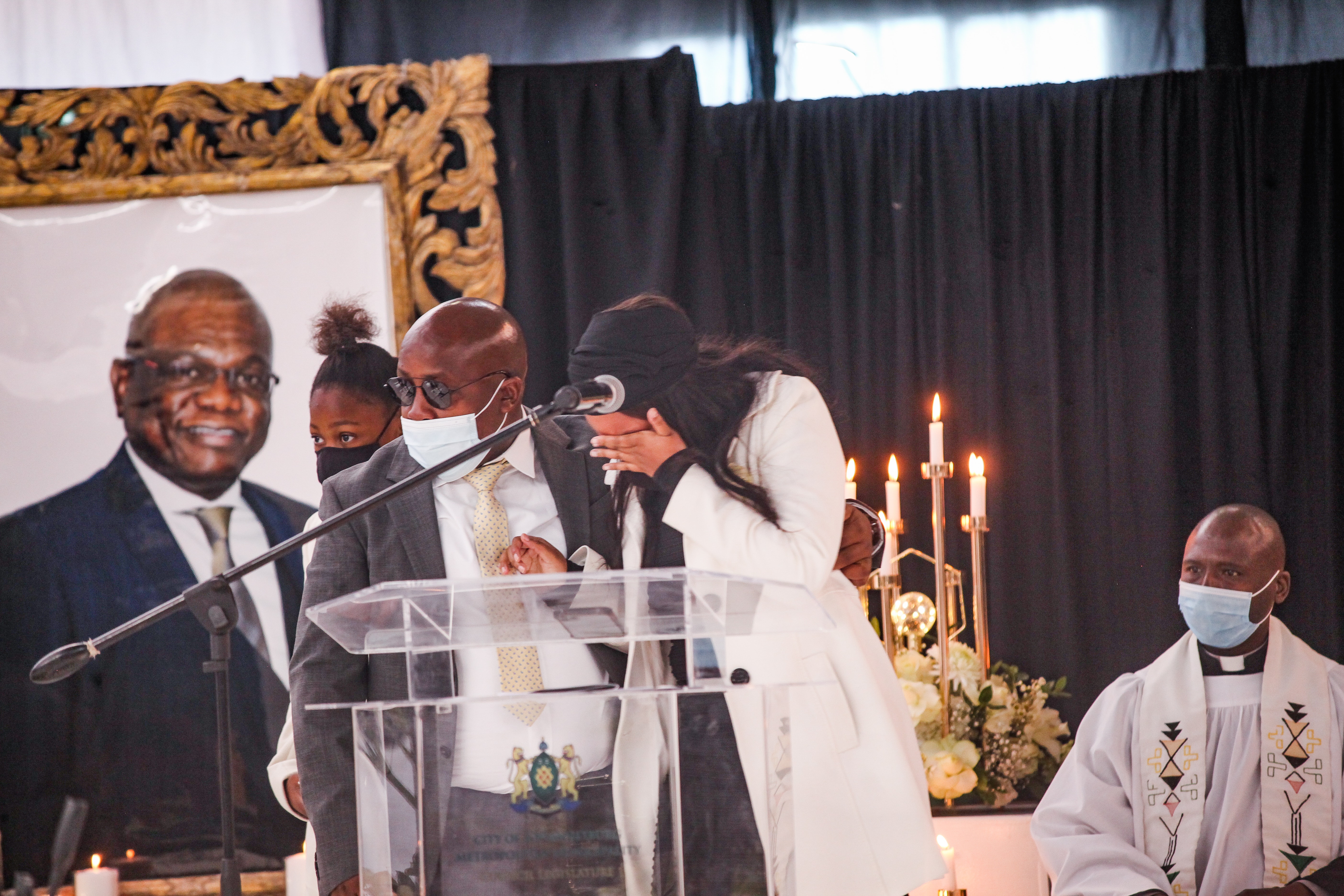
Over the past two years, the world’s news channels started to include COVID-19 statistics almost like the daily weather bulletin. Words like “daily rise in COVID-19 infections and COVID-19 related deaths” continuously run as subtitles on television screens. When a new variant of the virus is detected, scientists will be interviewed, new travel restrictions or pandemic regulations will be announced, and the world will just carry on.
It’s as if people have become desensitised.
At the time of writing this article, the World Health Organisation’s dashboard reported the following global statistics: 265,713,467 confirmed cases and 5,260,888 deaths. Suppose a family has four members. If one member gets infected with COVID-19, behind the 265,713,467 confirmed cases there are triple that number of people affected in one way or another. If one member of a family dies, behind the 5,260,888 deaths there are potentially more than 15 million people mourning. In fact, a recent study estimated that on average, each COVID-19 death leaves nine bereaved family members.
But behind the statistics are real people with real life stories of illness, death, disruption, sorrow and even despair. These complex narratives cannot be calculated in numbers or presented as statistics.
The pandemic has introduced potential complications into the normal processes of mourning, which could make it more difficult for people to recover from their losses. This should be acknowledged and people should have psychosocial and mental health support just as much as medical support.
Normal processes and complications
Death is a normal part of the life cycle but is feared and dreaded by most people. The COVID-19 pandemic increased awareness of human mortality and left people vulnerable. COVID-19 related deaths tend to come unexpectedly and are often preceded by intense, traumatic, and isolated hospitalisation.
To mourn a loss is to outwardly express feelings of sorrow and to adapt to life after the loss. It is considered one of the most difficult human experiences and is a process which usually takes between 12 and 18 months.
Every person’s bereavement process is unique, but complications in normal grief responses pose risks for the development of additional suffering. This can be in the form of prolonged grief disorder, complicated grief, disenfranchised grief and Takosubo cardiomyopathy or Broken Heart Syndrome.
Complications in death-related losses during the COVID-19 pandemic could have lasting effects which may potentially turn into a variety of mental health issues.
Normal bereavement processes are being affected by COVID-19 restrictions – the number of people at funerals, memorial services and religious gatherings; visits to people in hospital; quarantine or isolation regulations; social distancing; and neglect of cultural and spiritual rituals. End-of-life care and burial practices have sometimes been impossible to follow.
Funeral rituals have therapeutic purposes in the bereavement process:
-
assisting family members and friends to recognise and confront the reality of the loss
-
offering the opportunity for introspection on death as a process integrated into life
-
fostering awareness and assimilation of the grief process.
In pandemic times many bereaved families can’t get social or community support and participation in the usual culturally acceptable rituals.
Isolation and social distancing have various physical, mental and social consequences which may complicate grief.
Being overwhelmed with daily news and statistics about COVID-19 may also contribute towards two community responses:
-
further isolation out of fear of contracting the disease
-
becoming desensitised to the realities of the pandemic.
As a result, bereaved people may end up in disenfranchised grief, first described by Dr Kenneth Doka, emeritus professor in psychology, well-known author on death, dying, grief and bereavement, and currently senior vice-president for grief programmes at the Hospice Foundation of America. This is:
the grief experienced by those who incur a loss that is not, or cannot be, openly acknowledged, publicly mourned or socially supported.
Supporting bereaved families and communities
Complexities in death, loss, grief and bereavement in pandemic times should be acknowledged and supported.
The world is currently one big, bereaved community, yet continues to neglect the stories of pain, loss, sorrow, and grief caused by COVID-19 deaths.
It is time for society to recognise the losses suffered, reach out to those whose grief is not acknowledged and offer supportive responses and rituals.
The following responses might be helpful:
-
Symbolic gestures of unity, such as lighting up landmarks for a period of time, especially during important cultural or religious periods. The North-West University in South Africa, where I work, has such an initiative: the main gates of all the campuses are lit in purple for the month of December as a symbol of unity, care and hope.
-
Faith communities and social service agencies can invest in dedicated support groups for bereaved individuals and families.
-
Medical practitioners, professional nurses and allied health professionals should be aware of the complexities of grief so they can offer suitable health education and refer patients for psychosocial care if it’s needed.
-
Employers can revisit policies on compassionate leave following the death of a direct family member. Given the complexities of burials and funerals under pandemic restrictions and the possibility of losing more than one family member to COVID-19, the usual amount of leave may be insufficient.
-
Employee wellness programmes can incorporate psychosocial education on loss, grief and bereavement. Opportunities to acknowledge grief and talk about it can greatly contribute towards emotional healing.
-
The media can sensitively share stories of sorrow, pain and loss, as well as hope, healing and recovery.


