Imagine the scenario: you’ve been told you have a disease that will kill you. But, the doctor adds, your life can be saved if you diligently take your medication. Don’t skip a day, don’t skip a dosage. Soon, however, you discover that the medication has a slew of side effects, including a loss of appetite, fatigue, and nausea. So you do stop.
This process plays itself out every day among people who have been diagnosed with tuberculosis (TB). Treatment lasts for months. The adherence rate is low. Numbers are hard to come by. But one national survey in China – which is among the 30 high-burden TB countries that account for 87% of the world’s estimated cases – showed that as many as 73% of TB patients had, at the time of the survey, interrupted or suspended treatment.
South Africa is another of those 30 high-burden countries. The First National TB Prevalence Survey of 2018 found a prevalence rate of around 737 per 100,000 people, among the highest in the world. Again, numbers are hard to determine, but one study looking at co-infection between extensively drug-resistant tuberculosis (XDR-TB) and HIV found that only around 70% of patients stuck to the optimal six-month treatment.
This poses risks for the individual and for entire communities. It is associated with higher transmission rates, fatalities, soaring costs for TB treatment programmes as well as the development of multi-drug resistant strains.
Multiple approaches are being taken to improve adherence to medication. These include the use of higher doses of certain medications in the hope of reducing treatment duration, although side-effects like hearing loss have been reported, as has the building up of resistance to drugs.
Building on the sequencing of the human genome and improved technologies to determine individual genetic variations, there has been a growing movement towards personalised or precision medicine and personalised treatment regimens. This works on the premise that medical treatments, including those for TB, can be customised to an individual patient. Hurdles include the costs involved in making those technologies accessible, and understanding how to tailor treatments to each person.
In the case of TB, there are also other factors to consider, like variation in the disease-causing strain and individual drug-metabolising capacity.
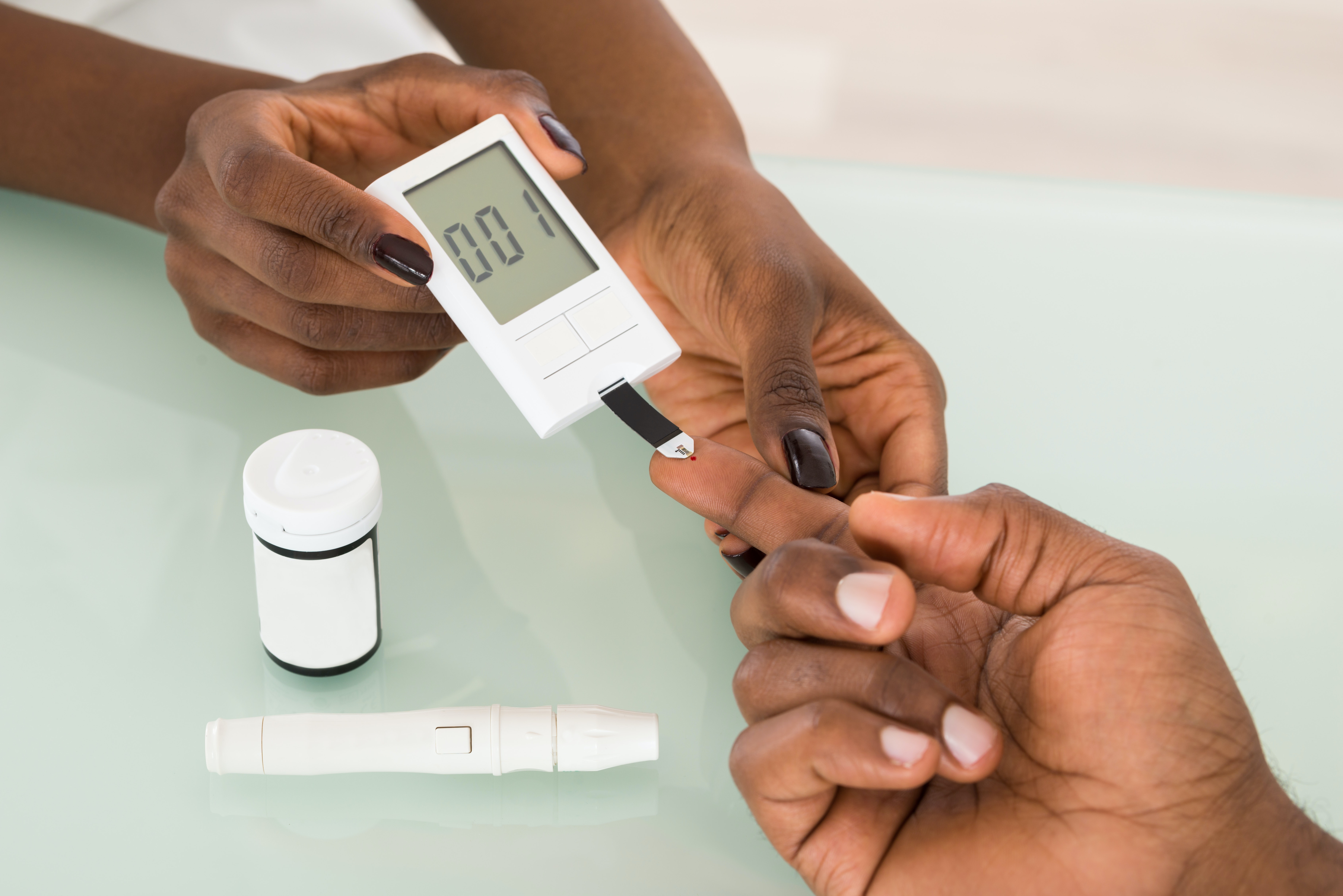
That’s where my work comes in. I am working to develop technologies that can accurately and reliably calculate an individual’s drug-metabolising capacity by measuring the “leftover” drugs in the TB patient’s blood or urine samples. The method involves the use of enzyme-based biosensors – a device used to detect chemical or biological substances. A popular application for such devices is the rapid detection of glucose levels in diabetics.
The results from my tests are promising. They reflect what other scholars doing similar experiments around the world show: these enzymatic biosensors could soon (scientists don’t like timelines) become a crucial weapon in efforts to make it easier for TB patients to adhere to their treatments.
Finding the right enzyme
One element of my work is to determine the right enzyme, already present in the human body, to include in the biosensor and serve as an amplifier or enhancer.
Biosensors should not be confused with the devices in which they sit – like the portable finger-prick testing kits used by diabetics, for example. They are simply a part of those devices.
Biosensors are typically made up of an electronic part, namely the transducer, that converts energy from one form to another; and a biological element such as an enzyme or even an antibody that acts as the sensor.
The electrochemical sensor itself does most of the hard measuring work. Essentially, the biological recognition element (the enzyme or antibody) interacts with the chemical component that you are seeking to identify and track, while the biological response is converted into an electric signal by the transducer, giving essential measurements. The biological element – in our case, the enzyme – simply boosts the signal.
My go-to enzyme is called CYP3A4. It forms part of a group of enzymes named cytochrome 450 or CYP450, which are known to play a key part in the absorption of drugs – and not just TB drugs. Because these enzymes react with 50% of all prescribed medication, they serve as a useful detector of the drug’s presence in a sample.
Read more: TB prevention has relied on the same vaccine for 100 years. It’s time for innovation
What makes CYP3A4 so useful is that it reacts with all four of the first-line drugs used to treat TB: namely isoniazid, ethambutol, pyrazinamide and rifampicin.
For purposes of my study, I developed a sensor by modifying the surface of a working electrode with nanoparticles of a range of materials. The enzyme was then electrostatically applied to this electrode. The completed biosensor was then tested on my samples: synthetic urine and plasma spiked with the four drugs.
My results showed that the biosensor could detected the drug “remnants” in my samples with high levels (90% and above) of accuracy.
Real-world value
So, what would the value of such a biosensor be in the real world? For one thing, it could allow clinicians to gauge whether a patient is a fast or poor metaboliser of the medication.
Typically, fast metabolisers quickly absorb the drugs, and only small vestiges remain in a blood or urine sample. They are likely to have few side effects since their bodies would not allow a build-up of the drug in their systems. However, they may need to take medication more regularly to make up for this quick absorption.
Read more: The key to treating TB may be in a common carbohydrate. What we know so far
Poor absorbers, on the other hand, do not process the drugs well enough to do much good. The drug then builds up in the body and can lead to adverse side effects. These patients may require lower or less regular dosages.
There is even the potential that such enzyme-based biosensors could be put in devices that patients can use on their own, much like diabetics use monitors to measure their glucose levels. People with TB can then then do the same, modifying their regimens based on the readings and their doctors’ guidance.
Such improved management can, ultimately, keep adherence rates from slipping – which is good news for TB patients, their communities and public health systems across the world.


