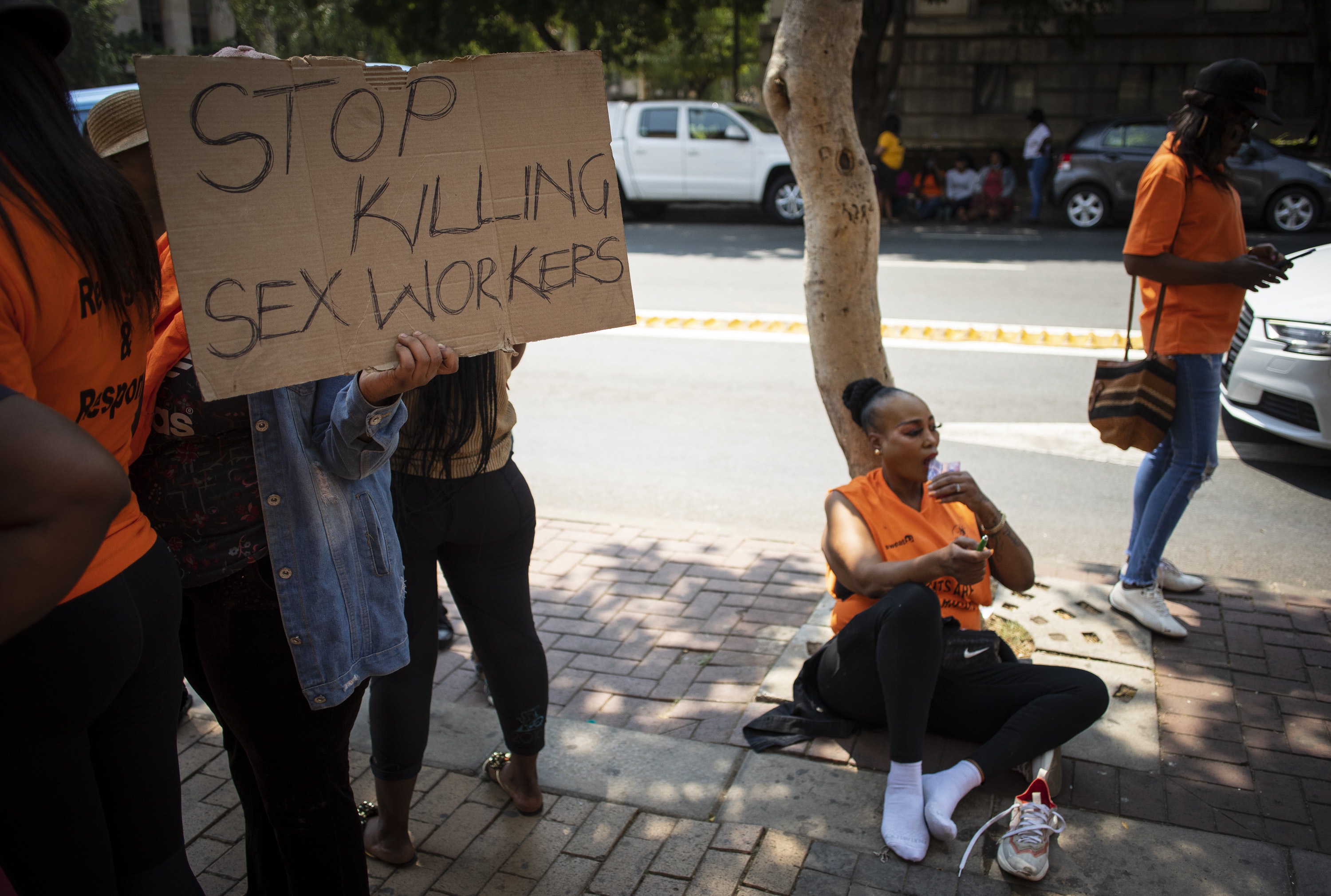
The decomposed bodies of six women, four of whom were identified as sex workers, were recently discovered at a panel beating factory in Johannesburg. A 20-year-old man has been charged with six counts of murder. The case highlights, again, the risks of sex work for women in South Africa.
It also puts the spotlight on the regulation of sex work. As a commissioner for the Commission for Gender Equality, I was involved in drafting its 2013 position paper on sex work: Decriminalising Sex Work in South Africa.
There are different ways of regulating sex work. These include criminalisation, legalisation, partial decriminalisation and decriminalisation. Sex work is a crime in South Africa, which means that all sex work that is performed on streets or in brothels is illegal and is policed as such.
This makes it particularly difficult for sex workers who operate on the streets to be safe. They fear being arrested by police, often forcing them into unsafe spaces where clients are free to abuse them. They are also vulnerable to police abuse.
Read more: Sex workers in Nigeria deserve fair treatment from the media
Like the Commission for Gender Equality, I also support decriminalisation. That would, among other things, mitigate some of the risks that sex workers face because of their work being deemed a crime in the country. They are exposed to physical violence, the risk of contracting sexually transmitted diseases, unintended pregnancies, police abuse, mental anguish and even death. Decriminalisation means that sex workers can choose where to work, and they won’t have to fear arrests, police harassment and stigmatisation.
Criminalisation
Sex work in the country is regulated through the Sexual Offences Act 23 of 1957 and the Criminal Law (Sexual Offences and Related Matters) Amendment Act, 2007.
These laws were reviewed several years ago by the South African Law Reform Commission, a permanent body that investigates law reform, established under Act 19 of 1973. Its 2015 report called for the continued criminalisation of sex work to prevent people from
knowingly living off the earnings of prostitution (and) benefiting from the prostitution of another person.
It also recommended the continued use of public ordinances to deal with the “public nuisance” of “prostitutes”. Rebutting the argument that poverty is one of the reasons people enter sex work, the report said women should rather seek social welfare interventions.
But this is not a viable option. Given the country’s very high levels of poverty and joblessness, the resources of government to support poor women are spread thin. Almost 47% of South Africans now depend on government grants.
Read more: Why sexual and reproductive law for east African countries is being resisted
The conflation of sex work with human trafficking contributes to the support for the continued criminalisation of sex work. But not all sex work is coerced and not all sex workers are trafficked. Women are often driven to sex work because of economic needs and increasing costs of living, and some women exercise a choice to do sex work.
But they also face serious risks. So, what are the alternatives?
Other approaches
Elsewhere legislation makes sex work legal under certain conditions, such as regular medical check-ups, licensing, and registration as a form of state control of sex workers. For example, sex work is legal in the Netherlands and in some jurisdictions in Australia, Germany and Nevada in the US. Some African countries have a combination of legality and illegality. Legalisation still does not provide the broader freedom of decriminalisation, which will curb stigmatisation by making sex work just like any other job.
With partial decriminalisation, the sex worker is not criminalised – their clients are. In other words, the buyer of the service can be arrested, but not the seller. This is called the Swedish model because this is where it was used for the first time in 1999. While this may sound like a good idea, it actually makes sex workers more vulnerable, because it drives their work underground. It creates a lack of trust between the sex worker and client, reduces her bargaining power and hampers her ability to negotiate safe sex.
Read more: Why South Africa’s HIV prevention programmes should include sex worker clients
Sex workers on the streets of Sweden have reported harsher conditions since partial decriminalisation was introduced, as well as greater stigmatisation and discrimination.
Decriminalisation
The South African Commission for Gender Equality’s position paper, mentioned above, calls for decriminalisation. This means a repeal of all laws against sex work, as well as the removal of provisions that criminalise all aspects of sex work.
The difference between legalisation and decriminalisation is that decriminalisation does not come with any state-imposed regulations specific to sex work. Instead the industry is regulated through existing statutes and regulations, particularly labour law.
Sex work becomes recognised as a legitimate business and falls under conventional employment and health regulations. Sex workers will, therefore, have the same rights as other workers and will also have the responsibility to pay taxes.
In her timely 2022 book Policing Bodies – Law, Sex Work and Desire in Johannesburg, legal scholar India Thusi makes a strong case for decriminalisation. She clearly shows the complexity of relationships between sex workers and law enforcers, and how criminalising sex work is counterproductive.
Looking forward
In February 2022, John Jeffery, South Africa’s deputy justice minister, announced further consultations on the Law Reform Commission’s report. He said there was a need to “fully engage” with all stakeholders – including government departments – on the proposed policy options and their implications, given the diversity of views, even though public hearings on sex work had already taken place.
Read more: A sex worker’s view on South Africa’s latest plans to beat HIV
The six women whose bodies were found in Johannesburg deserved protection and support, and the right to do their work safely. Decriminalisation would be a powerful step towards honouring their memories – and keeping other sex workers safe.


