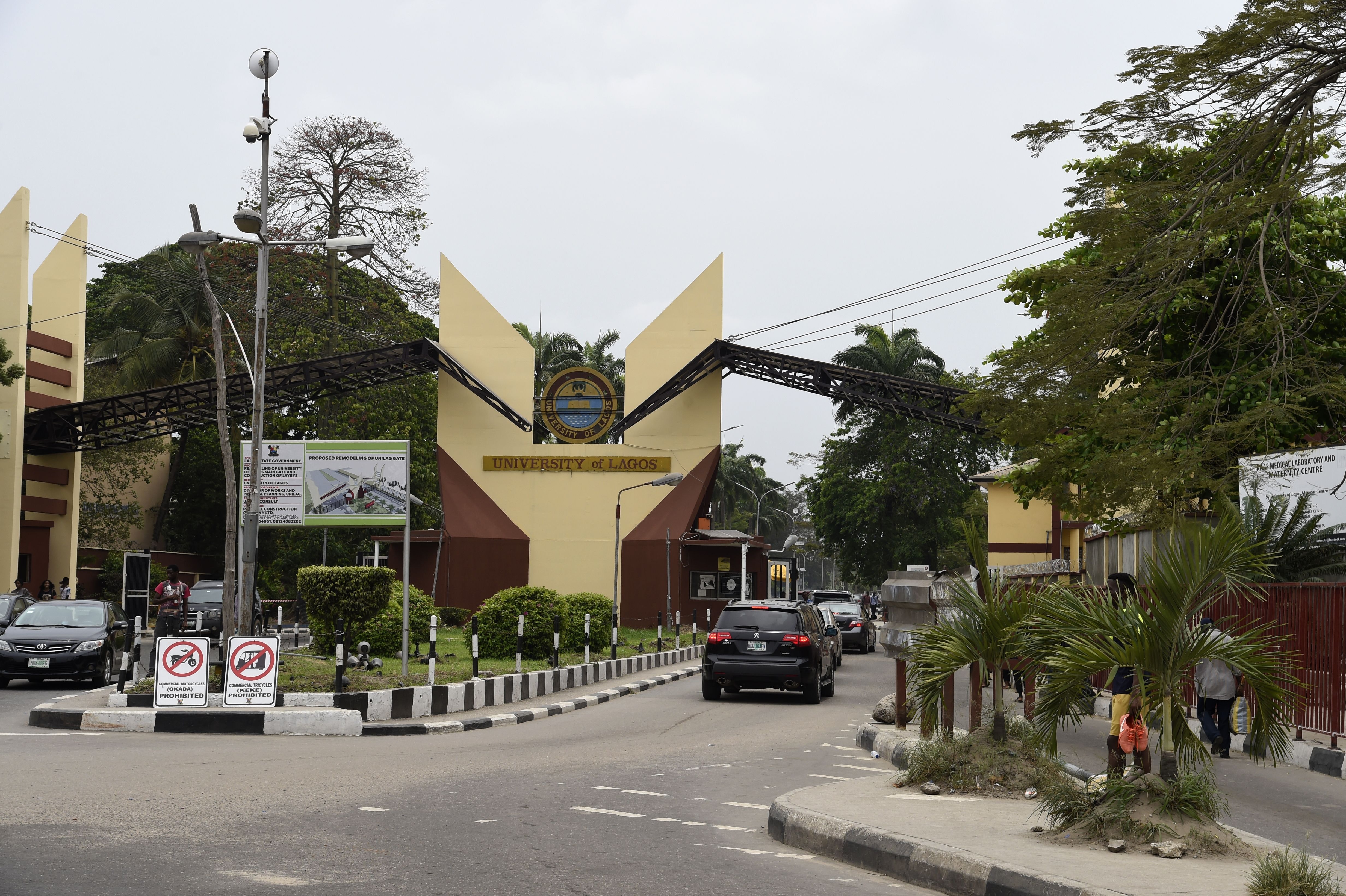
Public university lecturers in Nigeria have been on strike since 14 February 2022. One of their biggest issues is that the institutions they work for are poorly funded. Despite this, Nigeria’s National Assembly recently raised the idea of establishing 63 new universities. Nigeria already has more than 200 universities. In this interview, Dr Jerome Isuku, an educational management expert who works at the University of Ibadan, sets out his views on the government’s thinking.
Does Nigeria need 63 new universities?
The proliferation of universities in the face of dwindling financial input from the government have serious implications for cost and quality.
It is irrational for the government to be creating additional universities when it can’t cater for existing ones. It would be more plausible to invest in the existing ones so that they are able to produce the quantity and quality of graduates that can compete globally.
New universities are being set up in Nigeria for political gain. State governors compete with one another in the race to create new ones.
Nigeria doesn’t need new universities now. It already has about 217, according to the National Universities Commission, the agency that regulates and supervises the nation’s university system.
Forty-nine are run by the federal government. These include defence and police academies. Fifty-seven are run by the country’s 36 state governments and there are 111 private universities. Over 90% of the country’s students are in public universities.
Is the student population not an argument for more universities?
Nigeria’s population is well over 200 million. Nevertheless, population growth should not be a reason for arbitrary establishment of universities. We have about 2.1 million students in existing universities. But there is the problem of carrying capacity.
Over 1.7 million candidates apply for undergraduate admission annually. The number that the universities can conveniently admit is about 400,000. This is because teaching and learning facilities are extremely inadequate. The capacity to absorb them and expand access can be increased through economies of scale (increasing enrolment and lowering costs) in the existing universities via sufficient funding.
University lecturers in Nigeria are among the lowest paid when compared with many other countries. And there’s a shortage of lecturers. So if you create new universities, where will the lecturers come from? It is unlike Japan, whose capital, Tokyo, alone has over 90 universities but with quality facilities, good remuneration for staff, and adequate funding to cater for growth in the system.
What impact would creating new ones have?
You have to reflect on what has happened to public primary and secondary schools in the country, where you see students sitting on windows, tyres and bare floors to learn. They are grossly underfunded. Only the poorest of the poor now enrol their children in these ramshackle public primary schools. Private primary and secondary schools dot the nation’s landscape.
Increasing underfunded universities without a systematic and rational plan could come at a similar price.
The government bites off more than it can chew. In 1998, Nigeria had 37 arts and sciences universities, three agriculture universities and one military university. But the number has grown to about 217 since the National Universities Commission approved the creation of private universities in 1999.
Quality will be compromised. This is already evident in the fact that most private universities have lowered the scores of the Unified Tertiary Matriculation Examination to substantially below what government universities take. Though most government’s universities accept 200 out of a possible 400 score, most private universities accept the minimum national benchmark.
The money used for additional universities should be ploughed back to expand the quality and quantity of graduate output in existing universities.
Moreover, it takes a lot of time to train PhD graduates who will teach in these institutions. Additional universities mean additional qualified personnel. If they are not readily available, these additional universities may have to resort to unqualified staff, thereby damaging the quality of output.
Even the older public universities are struggling to keep their academics. Many are relocating abroad in search of the proverbial greener pastures.
What is your assessment of Nigeria’s universities?
Deplorable, an abysmally poor teaching and learning environment. Most public universities lack modern teaching and learning facilities. Laboratories are empty. Books in the libraries are obsolete. Classrooms and hostel accommodation for students are grossly inadequate. Rooms that are meant to accommodate two students have between six and eight.
There are also inadequate offices for staff members. Academic staff have a heavy workload because of the government’s restriction on civil service employment. Added to this is the brain drain, as intellectuals migrate to other countries where they are valued. To conduct research for development is another challenge facing the Nigerian university system.
What should be done to improve the quality of learning?
Adequate funding is at the frontier of achieving a quality university system. This will enhance the production of the human capital that can compete in the global economy.
Government and other consumers of university education products must provide the resources – funds, facilities, equipment and adequate remuneration. This will motivate and enhance the quality service delivery in the system.
Read more: Scholarly success of African universities: common contributing factors
It is irrational for the government to claim it doesn’t have money to efficiently run the existing universities, while at the same time establishing new ones. It is nauseating.
How does it feel being a lecturer in a public university?
University lecturing is one of the most competitive and prestigious professions in any country in the world, except in Nigeria, where the government has consistently treated university lecturers with disdain.
The welfare package is one of the poorest in Africa, not to talk of other developed societies. When a public university professor earns less than US$1,000 a month, it does not speak well of the country’s priorities.


