Niger, a landlocked country in the dry Sahel region of Africa, struggles to feed its 25 million people. It currently ranks 115th out of 121 countries on the Global Hunger Index, and the number of people not getting enough to eat has increased from about 13% of the population in 2014 to 20% in 2022.
Things could deteriorate even further as Niger confronts a “perfect storm”. The country has one of the highest population growth rates in the world, with few signs of slowing down. Its fertility rate – at an average of seven children per women – is the highest in the world.
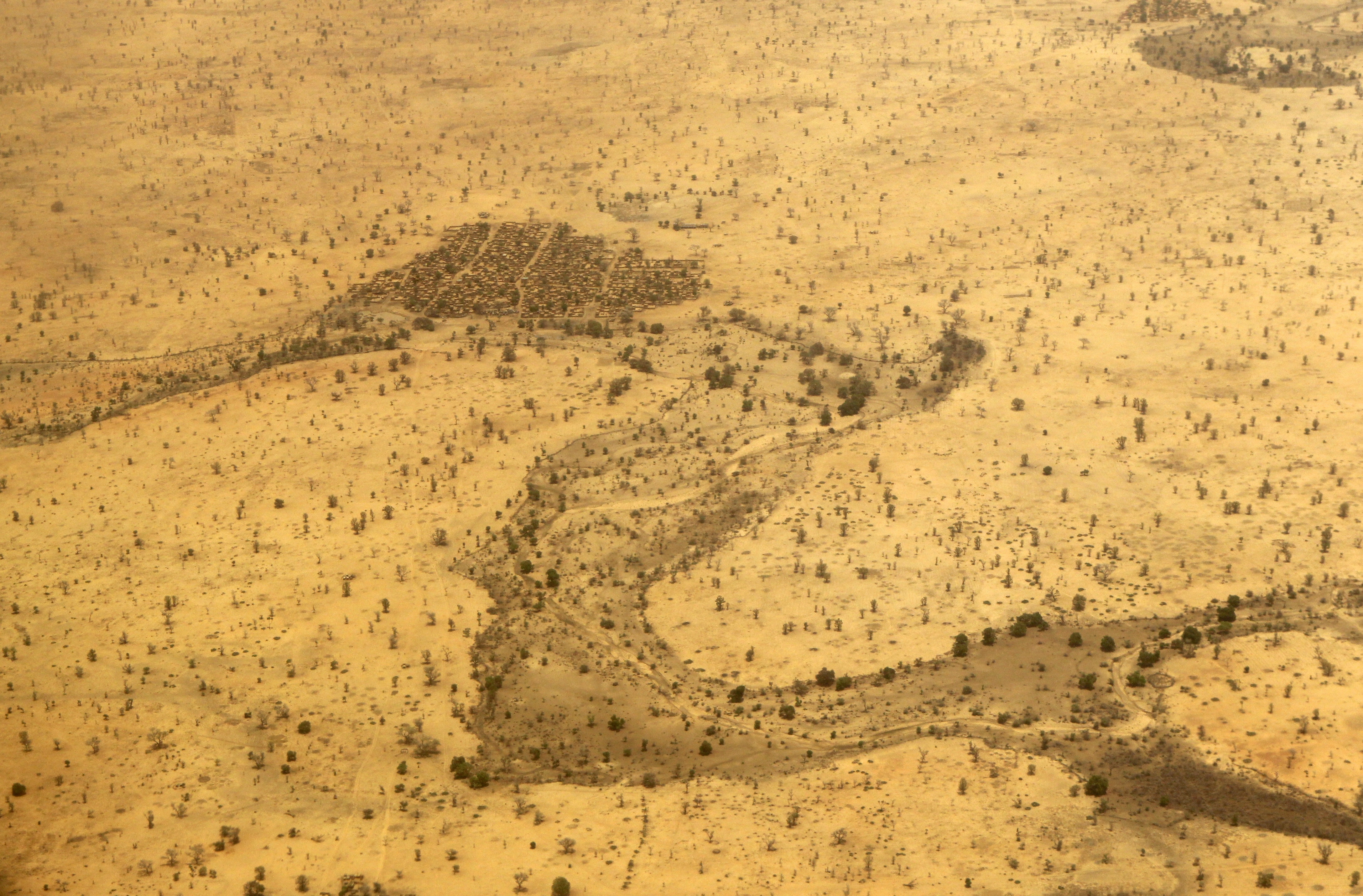
Added to this, most of the country is infertile. Two-thirds of its area is located in the Sahara desert. Most of the country’s agricultural land lies in a narrow band close to the Nigerian border in the south and is being encroached on by the desert.
Niger’s population also has among the lowest human capital indexes, which among other things mean people cannot earn enough to afford to buy food. This challenge is even greater given the recent shift in budgetary priorities away from social development and towards national security due to growing instability in the Sahel region.
To make matters worse, Niger is one of the regions most vulnerable to climate change. It has high exposure to heat and a low ability to adapt to changes in climate, like increasingly unpredictable rainfall. This will negatively affect crop yields in a country where less than 1% of the cultivated land is irrigated.
It’s projected that an additional two million Nigeriens will be pushed into undernourishment by 2050 by the effects of climate change on crop yields and because agricultural workers (around 75% of the total employed population) will struggle to work in the heat.
So, how will Niger go from feeding 25 million people today to its projected population of 50 million people in 2050?
In a recently published study, my colleagues and I wanted to figure out how to achieve this – or get as close as possible.
Increasing food security
We identified three interventions to address food availability:
-
better food supply, with accelerated investments in agricultural research and development
-
less food demand through slower population growth
-
global market integration.
But what should take priority to get the best outcome?
We created a model (which we called SIMPLE-Niger) to figure this out. It used data from various sources, including household and farm surveys and satellite images.
Based on our model simulations, we argue that unless fertility rates fall, rapid population growth and climate change setbacks are likely to outpace possible advancements in agricultural productivity.
When it comes to the supply side – what’s put into agriculture – interventions and spending must focus on higher farm productivity such as climate smart research investments, and farmers’ access to and adoption of new technologies.
Greater integration into regional markets will also help to combat undernourishment. It will make food commodities more accessible and available through more trade and better regional price integration (the effect of price in one market on another market).
Here’s how we got to these conclusions.
Integration, investment and human capital
As dire as the food security situation sounds, there are signs of improvement. We believe that further interventions in these areas are crucial to improve the situation.
Agricultural productivity has been increasing, driven by:
The African Continental Free Trade Agreement is expected to lead to greater market integration and more trade in goods and services in the agri-food sector, from surplus to deficit regions.
Niger’s informal and formal non-tariff barriers are high, however.
The country will need improvements in trade and transport-related infrastructure, especially temperature-controlled logistics for agricultural products, ease of arranging competitively priced shipments, and efficiency in customs procedure. While designing interventions, it is also important to remember that a large share of the trade happens through informal cross-border trade.
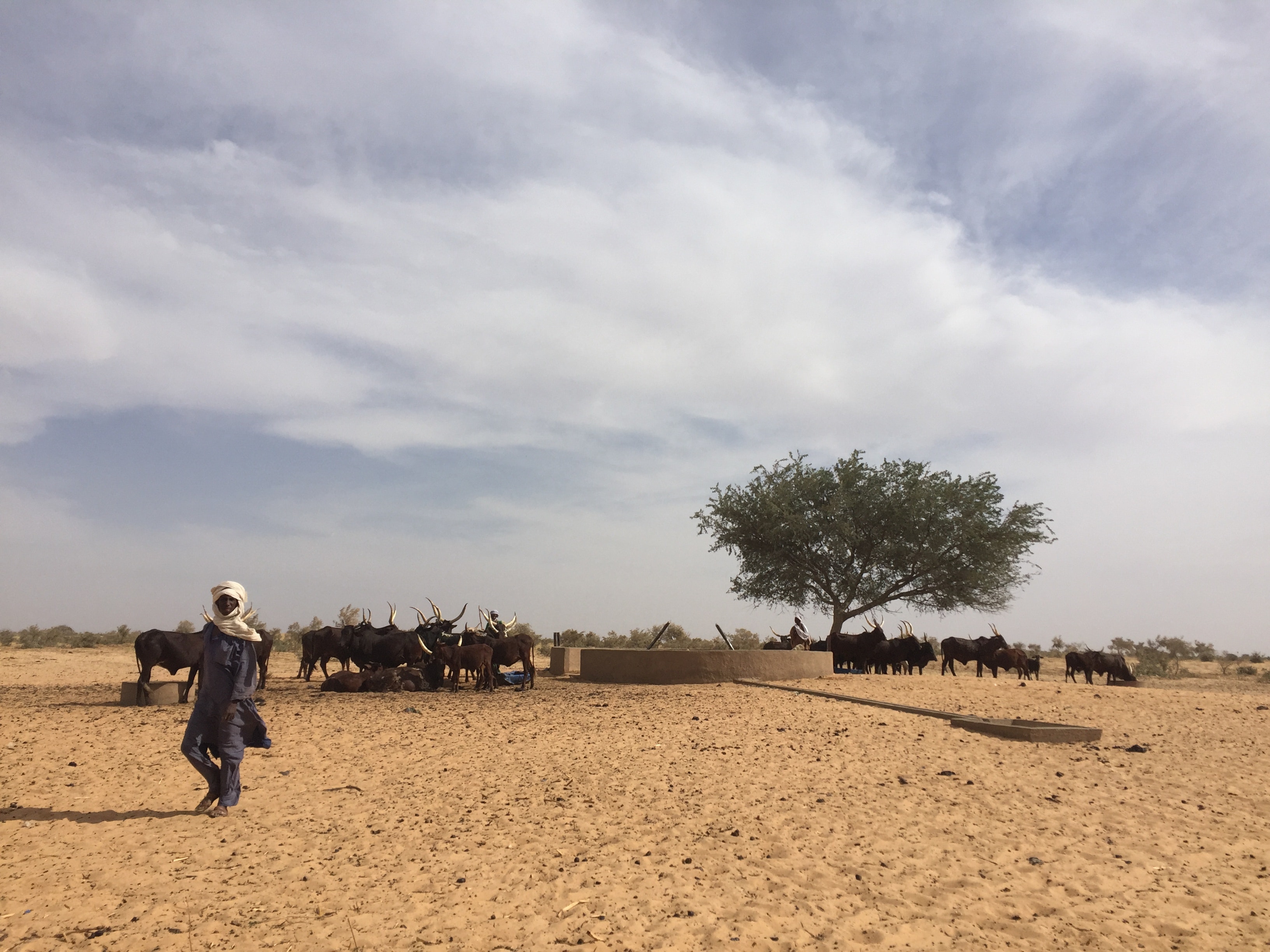
There must also be additional investments in local agricultural research and dissemination, and to transform this into agricultural productivity growth. The adoption rate for new technology and varieties is low among Nigerien farmers, even by Sahelian standards. Improved support for local researchers, enhanced extension services, private sector partnerships for technology dissemination, and input market access can boost adoption of new technologies by farmers, which will accelerate recent productivity growth.
Likely setbacks
Agricultural productivity growth will likely be outpaced, however, by population growth and climate change setbacks. This means the population growth rate must fall.
Funds must be allocated towards family planning and health. But fertility is a deeply political and challenging issue, which makes allocation of funds for these purposes difficult.
In fact, the desired family rate is higher than the current family rate, meaning men and women want more children than they currently have. It’s important to consider the socioeconomic context in designing family planning programmes in Niger.
A big win would be to increase investments in women’s education and labour force participation. It’s widely known that this would empower women to make birthing decisions freely and responsibly. Keeping girls in school also reduces the chance of child marriage, which is both a cause and consequence of pregnancy in adolescence. Investing in education is also linked to better food and nutrition security.
Worth the investment
These steps could get sidelined in a region that is witnessing growing instability. But history tells us that a young and growing population facing food insecurity and unemployment can be a breeding ground for more instability.
Ensuring food security for Niger’s rapidly growing young population is just as important for its national security.


