Food insecurity is a serious, growing problem in Nigeria. It was reported that 7 out of 10 Nigerians did not have enough to eat in 2021.
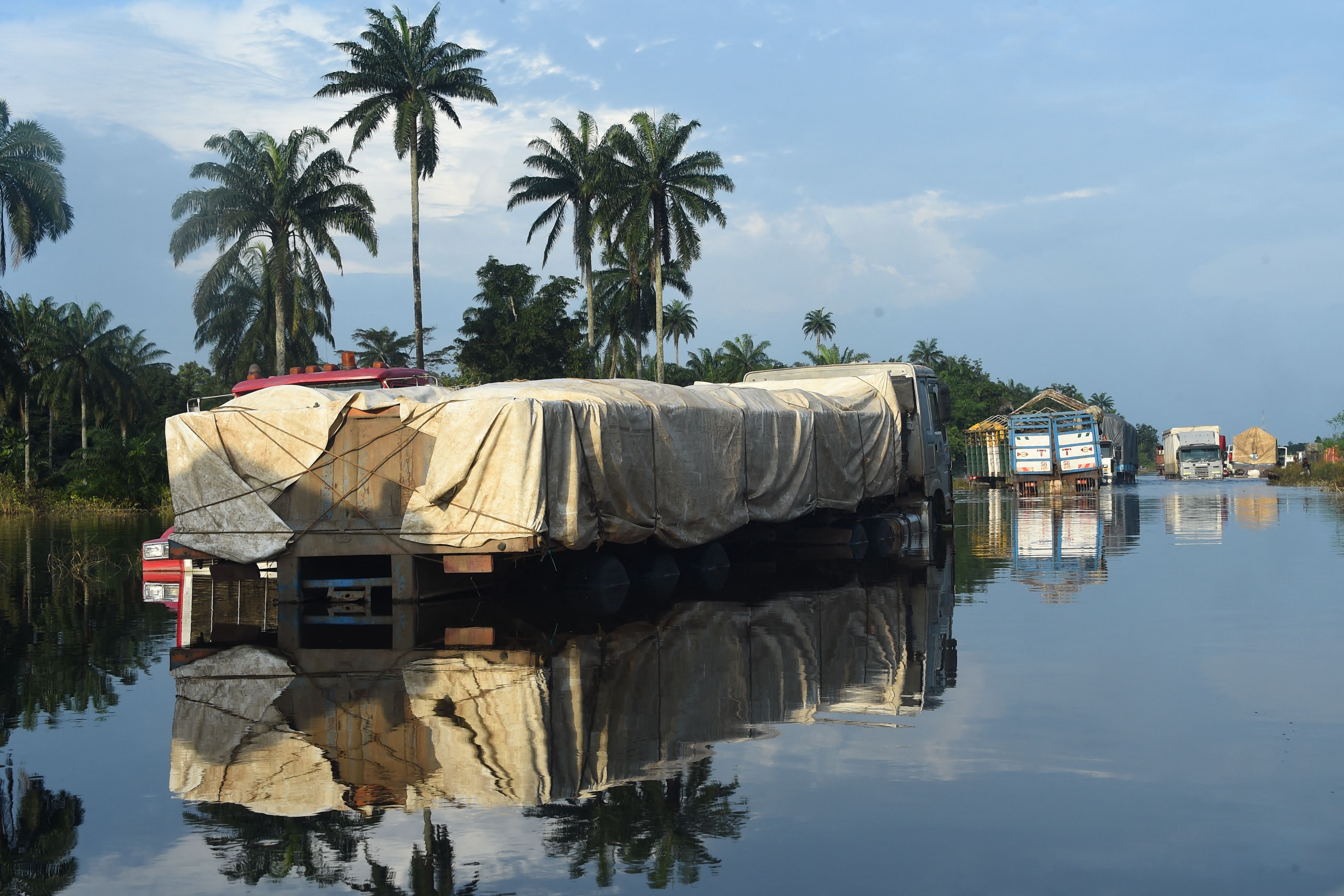
This is worsened by annual flooding. Towards the end of September 2022, Nigeria began experiencing floods. So far, more than 600 people have died and millions have been displaced. The magnitude and impact of these floods are set to surpass the events of 2012 – the most severe recorded flooding event in Nigeria’s history.
Read more: Nigeria floods: expert insights into why they’re so devastating and what to do about them
I’ve carried out research which provides insights into how these floods affect food security in Nigeria. The concept of food security encompasses the availability, access, utilisation, and stability of food – how much food is constantly available.
There is an urgent need to address food security issues in Nigeria, which is predicted to become the world’s third most populous nation by 2050. Despite the impact of flooding on food security, it is not recognised as a threat by policymakers, as evidenced by the national agricultural plans which don’t even acknowledge the role of disasters on food security.
The food security situation was dire before, and the ongoing flooding has made it worse. Here I outline four ways flooding has had an impact on food security. These can show policymakers how to make the connection and do something about it.
1. Food availability
How much food is available depends on food production. Food production levels in Nigeria are already below demand. Nigeria relies on US$10 billion of imports to meet its food and agricultural production shortfalls (mostly wheat, rice, poultry and fish). This is even though agriculture is the second most important economic activity after crude oil.
Flooding makes the situation worse. Flooding degrades the environment and destroys crops, farm settlements, livestock, and seedling stores. This reduces harvest and affects the next planting season, culminating in a food shortage crisis.
Livestock are killed or lose pastures and inundated farmlands are unsuitable for cultivation. Depending on the type of sediment deposited on farmlands during floods, some can’t be cultivated for a long time, creating a cycle of food scarcity and hunger.
Aquaculture and fish farming are not spared either. For instance, floods wash away fish stock, leading to a loss of income for the farmers and a loss of valuable source of protein.
2. Access to food
Flooding has an impact on access to food in several ways; food becomes more scarce, hard to physically obtain and more expensive.
Smallholder farmers – who make up 88% of Nigerian farmers – cultivate, process, and eat directly from their farms. They are the worst affected by flooding disasters. As found in my research review, they lose their primary source of income while lacking the resources to purchase food in the market. This also sets off a cycle in which high costs mean farmers can’t buy seeds or seedlings, affecting their ability to produce.
Flooding can cause massive damage to infrastructure, like the collapse of bridges and roads in Nigeria, cutting off physical access. This has many knock-on effects. For instance, farmers can’t access needed inputs (like seeds or fertilisers) and markets for their goods. In addition, there are supply chain disruptions, increased prices, the destruction of farm produce and stored reserves.
3. Food utilisation
I believe that food utilisation is the most important aspect of food security. It is the nutritional worth of food and ability of the body to absorb the nutrients it needs from food. A varied and healthy diet is necessary for this. However, even availability and access do not guarantee adequate food utilisation if the necessary nutrition from food is lacking because there’s been nutrient and soil loss due to flooding. Degraded soil produces low quality and low nutrient food. Plant tissue damage can occur due to flooding, which promotes the development of bacterial and fungal diseases affecting crop quality. Micronutrient consumption is affected if the nutrient composition of foods is altered. Evidence of this after flooding has been found in Nigeria’s agricultural farmlands.
In addition, the impact of flooding on the general flora and fauna reduces the availability of wild food and game, which are rich nutrient sources for many people.
4. Food stability
Lastly, floods affect food stability – ensuring that food is always available, accessible and nutritious.
A decline in agricultural productivity because of flooding affects the availability of food. Subsequent shortfalls in supply increase prices of food, making it inaccessible to a large section of Nigeria’s population. This renders the already vulnerable population in the country more so. The high prices and unavailability of preferred food choices can force consumers to limit their consumption and opt for less nutritious but more filling food, which has an impact on food utilisation.
What needs to be done
No matter the gains in the policy focus area of food production, a single flooding event can reverse them. The Nigerian government must pay more attention to disasters such as flooding – set to rise in the coming years due to climate change – in food security policies, and take immediate actions to control flooding. A more comprehensive approach to addressing food insecurity is needed and this must encompass flood prevention and mitigation.
Many food security programmes and policies currently focus on food availability by seeking to increase production while neglecting other areas. This is also the approach in Nigeria, where production alone has formed the focus of food policies. The lack of consideration of the role of flooding in food insecurity is a significant oversight that needs to be addressed.


