With rising cases of the Delta variant of the SARS-CoV-2 virus in Nigeria, there is heightened concern about how well the country is prepared to deal with them. The Conversation Africa’s Wale Fatade asked public health expert Doyin Odubanjo what Nigeria should do.
What makes the Delta variant different from other COVID-19 variants?
The variant has now become the main one of concern globally and is believed to be the cause of the recent surge in cases seen in Asia and Africa. It is also believed to be behind the rise in cases even in places with good population vaccination rates such as Israel and the United Kingdom.
The Delta variant, from all available evidence, has mutations that makes it more contagious. It also replicates very quickly, resulting in high viral loads. This can lead to severe illness requiring hospitalisation and may take longer to clear and achieve a negative COVID-19 test result.
The combination of higher transmissibility – more people get infected faster – and higher viral load – people get more sick – means that the variant causes more cases per day. Thus it has the tendency to overwhelm the healthcare system, which could run out of bed spaces, oxygen and other essentials.
How bad is the situation in Nigeria as regards the Delta variant?
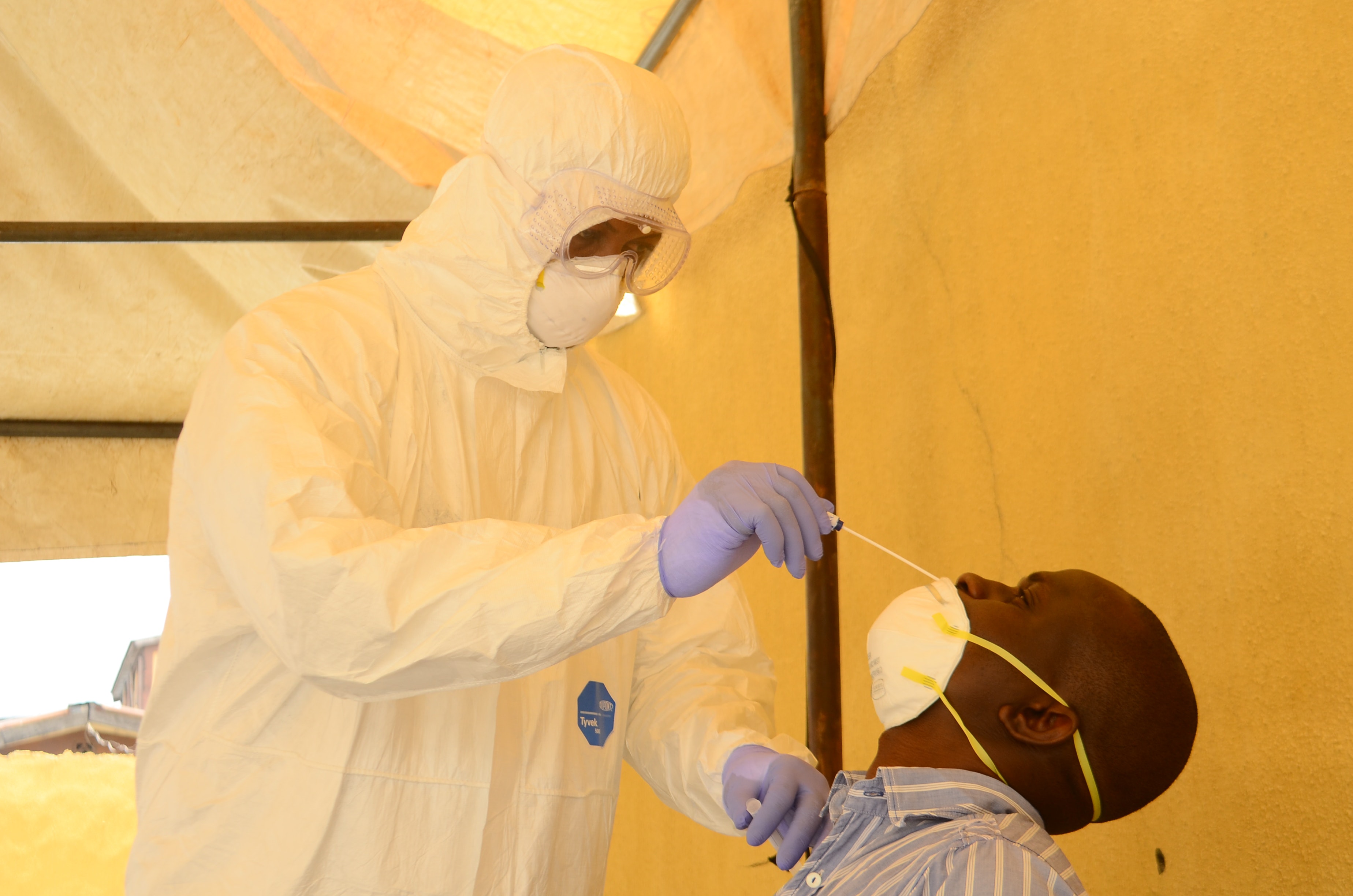
Unfortunately, it is difficult to say. This is because we are failing where surveillance for COVID-19 is concerned. Recent reports show that 13 states have stopped testing for COVID-19 while others are increasingly relying on private laboratories to do the tests at a higher cost. It is impossible to monitor the disease spread or progression without testing.
To make matters worse, to know the impact of the Delta variant, there is a need to go beyond the polymerase chain reaction (PCR) tests being done or reported. There is a need to do genomic studies – this is a study of what makes up the virus – on the positive cases to know what variant they may be and even monitor the development of new variants. Such genomic studies are not yet being done systematically.
How prepared is Nigeria to deal with it?
Nigeria is not in any way prepared to deal with a serious rise in COVID-19 cases as our health system is more challenged than it was before the pandemic. The staff morale is very low and health worker migration is increasing at an alarming rate. Added to that are strike actions or threats. And, perhaps due to the state of the economy, the political will and leadership required to manage the COVID-19 outbreak is fading away.
Worse still, we have not succeeded in engaging the public effectively and consequently have a politically charged environment with a gulf widening between the government and the people. This means that non-pharmaceutical measures like the use of face masks, social distancing and lockdowns may be even more difficult to implement now as people are less likely to cooperate. Attempts to enforce such measures may even result in civil disturbances.
So, Nigeria cannot afford another wave of COVID-19 cases and definitely nothing on the scale of what the Delta variant has caused in other countries.
What should be done to keep it at bay?
I do not know if we can talk of keeping it at bay as the Delta variant has already been identified in parts of Nigeria. So, we need to monitor and manage its spread in the country. We must also keep a close watch on our borders to ensure that new cases are not imported. To monitor it will require that our testing capacity is maintained as a public service and is not just left to private laboratories, which will exclude many people because of cost. We must also go the extra mile of doing genomic studies systematically as part of our surveillance.
We must explore community engagement strategies more than ever to get people to make COVID-19 prevention a personal responsibility.


