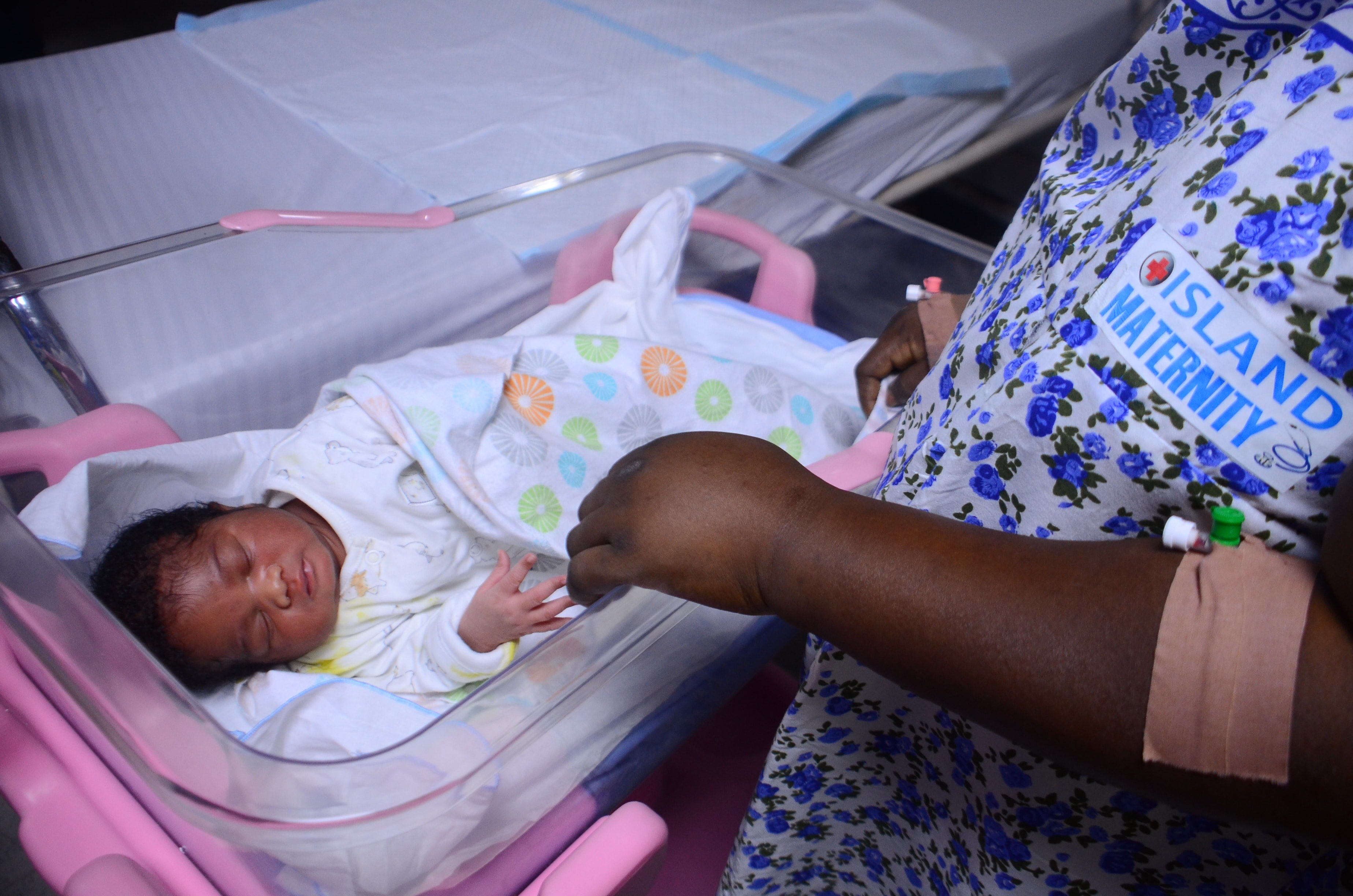
Nigeria is one of the largest contributors to maternal and newborn (neonatal) deaths in the world. It’s estimated that in 2017 the country accounted for more than 20% of the global deaths of women due to complications of pregnancy and childbirth. In 2018, the maternal death rate was 512 per 100,000 live births while death of babies within the first four weeks of life was 39 per 1,000 live births.
These rates are among the highest in sub-Saharan Africa. A recent Lancet Commission noted that the country has failed to deliver equitable and favourable health outcomes for its people. One of the reasons is the absence of robust data on the leading causes of deaths to identify areas where improvements can be made. Data are important because resolving a problem starts with knowing how big it is.
Ten years ago, researchers in Nigeria first attempted to establish a nationwide system to collect data about maternal healthcare. This work went beyond measuring the scale of the problem. It provided useful information about the causes of severe complication in pregnancy and childbirth complications in Nigerian tertiary hospitals.
To improve on the first system, my colleagues and I have recently been part of a project that collected data on 76,563 pregnancies at 54 tertiary level hospitals in Nigeria from 2019 to 2020. We were able to compile the largest data set on mothers and babies so far reported in the country.
We looked at the rate and main causes of complications and deaths. We found that even when women were treated in tertiary hospitals – the highest level of care available in the country – the outcome was still poor compared to similar hospitals in other countries. Another key finding – not previously noted – was that lack of a companion during the birth was associated with the death of a mother or baby, or both.
Nigeria needs to improve the quality of care available in tertiary health facilities to reduce death among women and their babies. This is even more so because tertiary health facilities are the last port of call in the referral chain.
Unpacking the findings
The study included 54 tertiary hospitals across the six geopolitical zones of the country from September 2019 to August 2020. We created an electronic record of routine data about the health of mothers and babies during labour, childbirth, and the early postnatal period. This is the first time an electronic health data platform of this magnitude has been developed for the country.
One key finding was that 58.3% of the 76,563 women had at least one complication during the pregnancy or delivery and 1.2% died. In 2017, 0.007% of women died in the UK from pregnancy related causes.
The most common cause of death among the women was eclampsia. It accounted for 20.6% of the deaths. Eclampsia is characterised by convulsions in pregnant women which are a result of high blood pressure. The second most common cause of death was bleeding after birth (11.4%).
The highest number of baby deaths was recorded for babies whose mothers had a complication during pregnancy or childbirth.
The factors associated with death in mother and baby were similar:
-
low education in the mother
-
lack of antenatal care
-
referral from another facility
-
previous Caesarean delivery
-
non-use of a labour monitoring tool
-
lack of a companion in labour
-
failure to give the mother an injection to stop bleeding after birth.
Previous studies have shown similar poor health indices related to the medical care of mother and baby in Nigeria. A 2015 study in tertiary health facilities in Nigeria found that 1.1% of the women died – mainly from pre-eclampsia and eclampsia. The fact that we recorded similar findings indicates poor progress.
A finding that stood out in our study was that lack of a companion was associated with the death of a mother or baby. This has not previously been studied in Nigeria. Companions such as family members are not usually present at the labour in hospital because labour rooms are not private enough. A companion can provide moral support to a birthing woman and can provide any other needed help.
Making changes
It’s key to increase access to quality antenatal care where health workers can detect conditions before they deteriorate. Birth at facilities should be encouraged and supported.
Facilities that refer patients to tertiary health facilities should do so before the patient’s condition deteriorates.
Ambulance services to transport patients to hospitals must be reinvigorated. This service does not exist in all areas. Patients and their relatives then have to make private arrangements when transport is needed, causing delays.
The government needs to improve the state of tertiary health facilities in Nigeria. This includes providing more funding, equipping the health facilities, and ensuring the availability of quality medications and well-trained medical staff.
The health workers should also dedicate themselves and provide quality care. There is a need to redesign labour rooms so that women can have supportive companions at the birth – our study clearly shows this is associated with a better outcome for mother and baby. This can be achieved by offering women more privacy.


