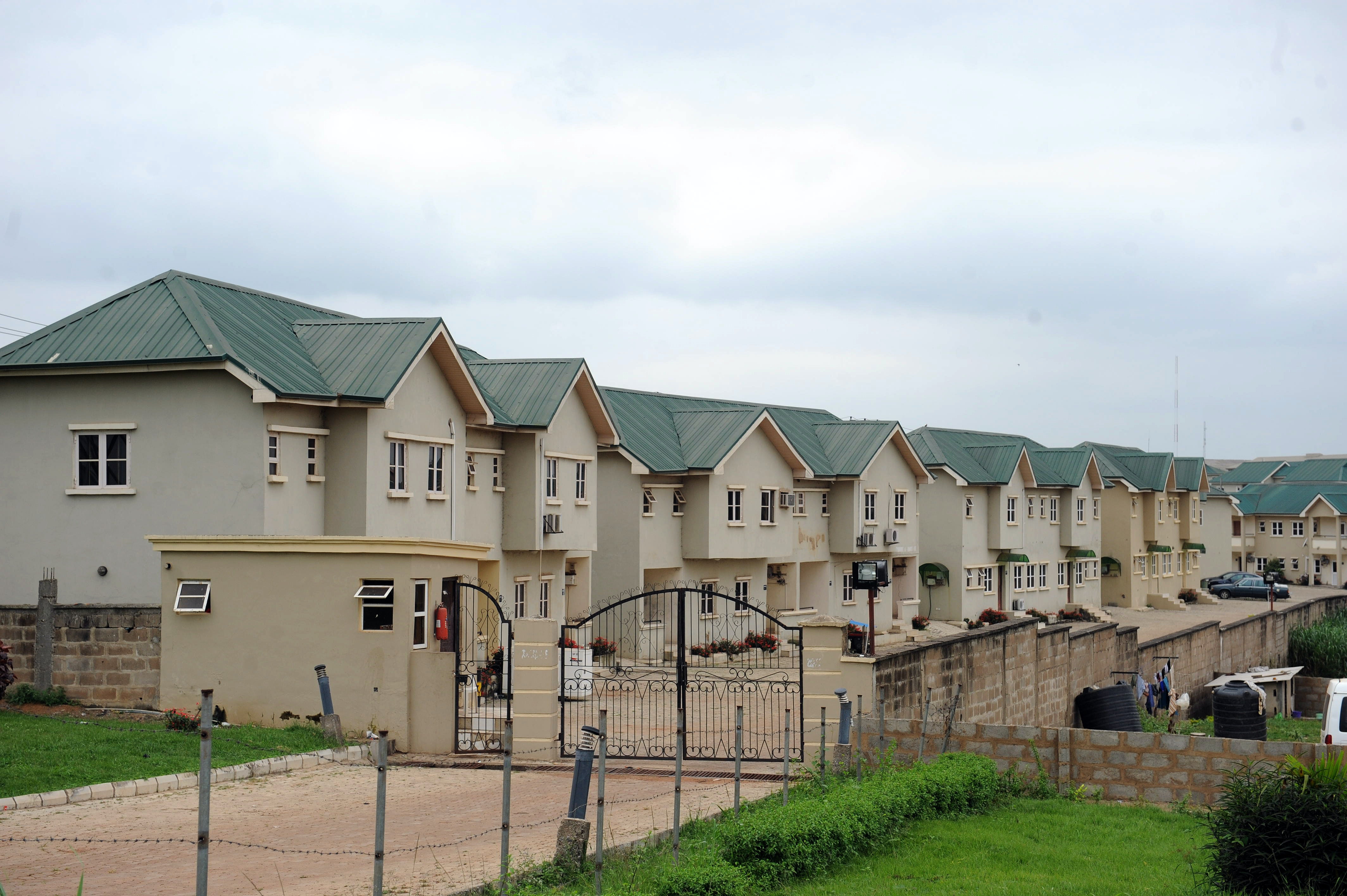
Nigeria has a very high crime rate. The Global Peace Index ranked it the world’s 17th least peaceful state. Discussion of crime in Nigeria tends to focus on insurgency, terrorism and kidnapping, but other types of crime are thriving too.
According to the National Bureau of Statistics, 134,663 cases of offences were reported in 2017. Offences against property make up the highest number of cases reported. As of March 2022, Nigerians reported they worried most about robbery, theft and break-ins. The level of concern stood at 66.04 points, on a scale from 0 to 100 (where 100 represents the highest concern).
Governments can respond to crime in various ways, like making and enforcing laws and addressing the root causes of crime. Another avenue to explore is crime prevention through spatial design.
Built environment influences crime
Research has shown that features of the built environment influence crime.
Physical developments and locations can contribute to crime through flawed planning or structural design. It can also be lack of maintenance, access control, territorial reinforcement and surveillance. The plan and design of the built environment should ideally form part of a broader approach to crime prevention and community policing. This is known as “Crime Prevention through Environmental Design”.
I conducted a study in Minna, Niger State, north central Nigeria, on how street layout, the neighbourhood composition, the routine activities, and resident’s lifestyle influence the risks of crime. Respondents answered questions on experience of crime in the 12 months prior to the survey.
The responses showed that experiences and perceptions of crime varied significantly across neighbourhoods. Socio-economic, environmental design and land use variables accounted for this variation. The findings also emphasised the importance of manipulation of the physical, built environment as ways of reducing crime.
Crime prevention through environmental design
The concept of crime prevention through environmental design has been in existence for decades. Law enforcement agencies worldwide use it.
Proper design and effective use of the built environment can reduce the fear and incidence of crime, and improve quality of life.
It generally consists of surveillance, access control, territorial reinforcement, and space management.
Surveillance means that people can see what others are doing. This will deter would-be offenders from committing crime. Clear sightlines, effective lighting and landscaping can reduce the chances that offenders can hide or entrap victims.
Access control is the use of physical or symbolic barriers to attract, channel, or restrict the movement of people. This can be achieved through landscaping, fencing, gates, and other forms of technology that manage entry and exit to particular locations.
Territorial reinforcement signifies ownership. Well-maintained properties with clearly defined purposes send signals that the occupants are on guard. Providing a sense of ownership over an area encourages responsibility for managing the area and intervening if problems arise.
Space management relates to sustaining attractive, well-maintained, and well used spaces. Activity coordination, cleanliness, rapid repair of vandalism, and removing abandoned vehicles and graffiti are space management practices. So are replacing burned out lighting, and removing or refurbishing decayed physical elements.
My recent study examined these ideas from the perspective of property development firms and residents in Benin City. This capital of Nigeria’s Edo State is growing rapidly and had the highest crime rate in Nigeria in 2016 after Lagos, Abuja and Delta. Break-ins, robbery, kidnapping and ritual killings topped the list of crime incidents.
I used a questionnaire to collect data from representatives of 35 property firms and 362 residents. Findings show that:
-
crime risk assessment is not one of the requirements for development approval
-
more than half (67%) of residents had been victims of burglary and theft
-
most developers (74%) and residents (79%) expect burglary and theft to increase in future
-
some developers and residents have spent money on crime prevention through environment such as fencing, lighting, access control and surveillance among others
-
about 88% of these attempts were not appropriately applied in a way that effective crime prevention could be achieved
-
most of the developers (91%) and residents (84%) were of the opinion that properly applied crime prevention would deter burglary and theft.
The developers and residents therefore need more help to know how to get it right.
Implications for fighting crime in Nigeria
Environmental impact assessments provide that certain developments must be designed to prevent damage to the environment. Similarly, developments should be designed to prevent or neutralise crime. Crime risk assessment and crime prevention through environmental design should formally be part of the Nigerian urban planning landscape.
Guidelines could be created to help town planning authorities assess development proposals in terms of crime risks. The guidelines should suggest that town planning authorities have an obligation to ensure that a development prevents or minimises crime risks that users and the community are exposed to.
Such developments would include a new or refurbished shopping centre, transport facility or interchange, large scale residential development, recreational facility or public place.
The implementation of the guideline provisions should be done by trained town planners or urban designers.
The introduction of these guidelines should be supported by a special course in police training.


