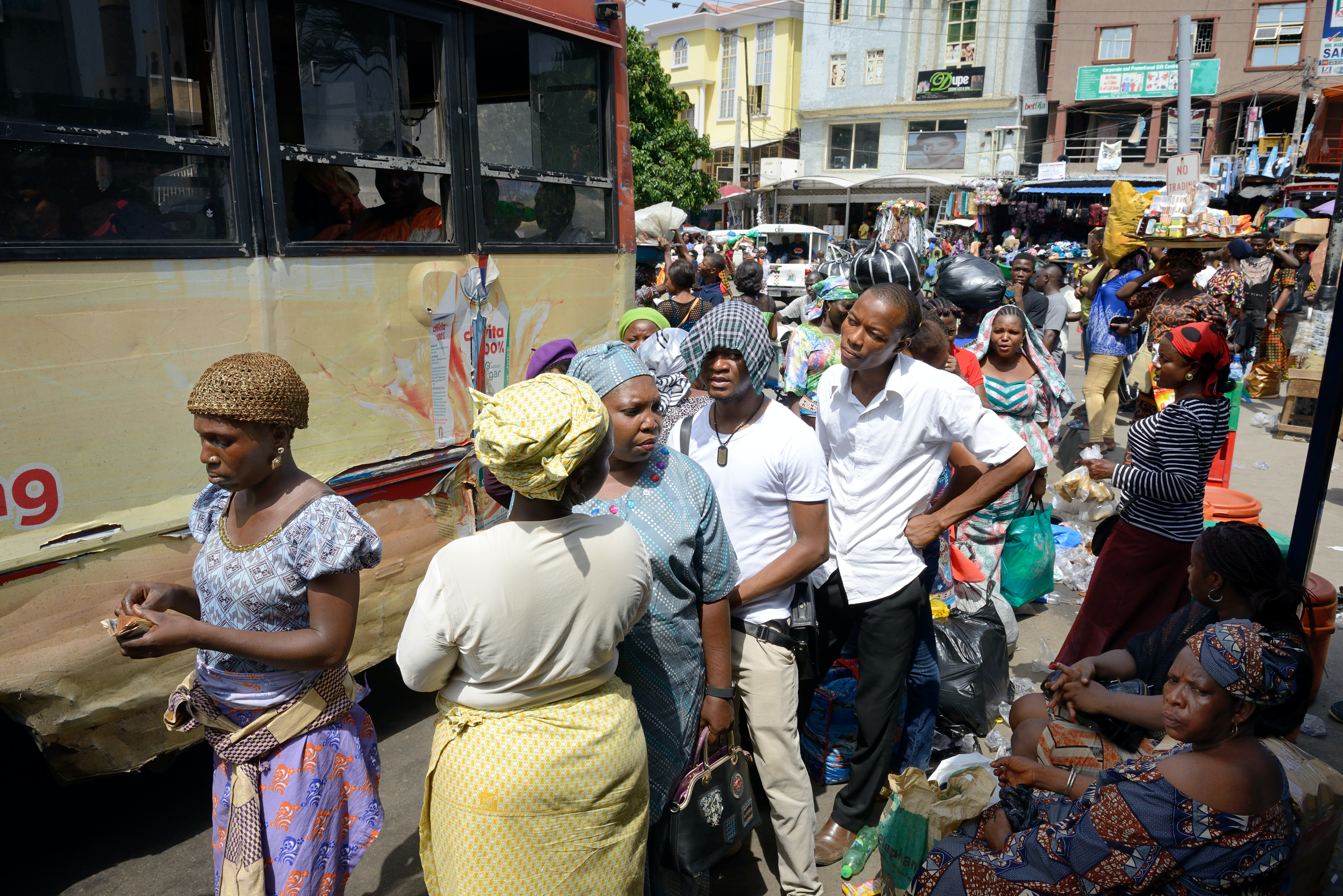
Nigeria is rapidly urbanising, with more people living in urban areas than in rural communities. A recent World Bank estimate shows that 53% of the 213 million Nigerians live in urban areas. That’s projected to rise above 70% by 2050.
Lagos, Nigeria’s biggest city, already has over 15.9 million people. The country’s urban growth rate is 6% and the general population growth rate is about 2.4%.
Although urban areas are hubs for socioeconomic development, many large cities are unsafe and unhealthy.
Unfortunately, infrastructure development and service delivery aren’t keeping pace with urban population growth in Nigeria. Millions of urban residents face enormous challenges like housing deficits, overcrowding and limited economic opportunities. Poverty, air and noise pollution, insecurity, heightened criminality and environmental degradation are others. Climate change is also causing rising sea levels, flooding, heatwaves, more intense droughts, crop failures and famines that affect residents of urban areas across Nigeria.
All these pressures, combined with poor planning, make life difficult in the country’s cities. One of the tools to deal with unsustainable urbanisation is family planning.
In my study I explored how family planning policy and urban development programmes in Nigeria were linked between 2000 and 2020. The study suggests the need to integrate family planning and health more effectively into urban and territorial planning. This will contribute to preventing unsustainable urbanisation and urban poverty.
Migration, fertility and urban growth
High population growth in cities across Africa is mainly driven by a natural increase: more births than deaths. When a country is 30% or more urban, the contribution of natural increase to urban growth becomes larger than that of migration.
The total fertility rate for Lagos is 3.4 children per woman – higher than the replacement fertility level of 2.1.
Nigeria’s total fertility rate is 5.3 (4.5 in urban and 5.9 in rural areas), which is far higher than the rate of countries like South Africa (2.7) and Rwanda (3.6).
Only 12% of married women in Nigeria use modern contraceptives (18.2% in urban and 7.8% in rural areas). Again, this is far lower compared to South Africa (48%) and Rwanda (58%).
The unmet need for family planning among currently married women is high in urban Nigeria, at 20%.
Evidence from research
Meeting the family planning needs of the urban population can help to achieve population growth rates that make cities to be good places to live. But family planning remains a neglected subject in urban development programmes in Nigeria. My study set out to explore how population and city planning could be integrated better.
Part of the study consisted of interviews with 37 key informants in the family planning and urban development sectors in Ibadan, south-west Nigeria and Kaduna, north-west Nigeria.
More than two thirds of the informants recognised the importance of making family planning part of urban development initiatives. It can help address complex urban governance challenges such as pressure on infrastructure and social services.
But I found that family planning and urban development actors mostly worked in silos. This was a result of systemic barriers like the lack of a policy framework and support for sectors to work together.
The respondents said there were no policy documents or programmes that clearly linked family planning to urban development. Existing guidelines in each sector weren’t always carried out or monitored properly. For example, housing standards to prevent overcrowding weren’t enforced. And some people working in these fields didn’t have enough knowledge about each other’s work, or were frequently transferred to other government jobs. Buy-in was also identified as an issue: family planning can be a sensitive area for religious reasons. And informants noted a lack of will among professionals in different sectors to work as a team.
Urban development stakeholders, city planners and municipal authorities didn’t see family planning as a critical element in their initiatives.
But actors in both sectors suggested possible ways to achieve more effective working relationships. These included more research and sharing of knowledge, involving civil society organisations and the media, and sensitisation talks with government officials and political leaders.
They said a policy and regulatory framework would need to be in place to guide collaboration.
Family planning for healthy cities
Effective family planning services can give women more control over their health, time and activities. They can then play a greater part in meeting national development goals.
Read more: Why Nigeria’s weak health system affects women and girls the most
With a high rate of natural population increase across urban Nigeria, government investments in infrastructure won’t be sufficient. Housing deficits – already at 28 million units – and overcrowding will remain big challenges. Slums – already home to 49% of Nigeria’s urban population – will grow. Urban poverty – already afflicting 42% of urban residents in Nigeria – will rise. Insecurity will remain a big problem. Climate change crises will worsen.
Read more: Nigeria floods: expert insights into why they’re so devastating and what to do about them
There is no single solution to unsustainable urbanisation in Nigeria. But adequate investments in family planning programmes will help.
Effective and consistent use of family planning will reduce unintended pregnancies and unwanted fertility. A slower population growth rate consistent with national development goals can be achieved.
National and sub-national governments ought to consider the critical role of family planning in their urban development initiatives. This will make rapidly growing Nigerian cities more suitable for healthy living.


