Solid waste management is an important public health service because it helps to prevent the transmission of disease. It also has a social significance: piles of uncollected waste in cities are an embarrassment to authorities and can create a political backlash from residents.
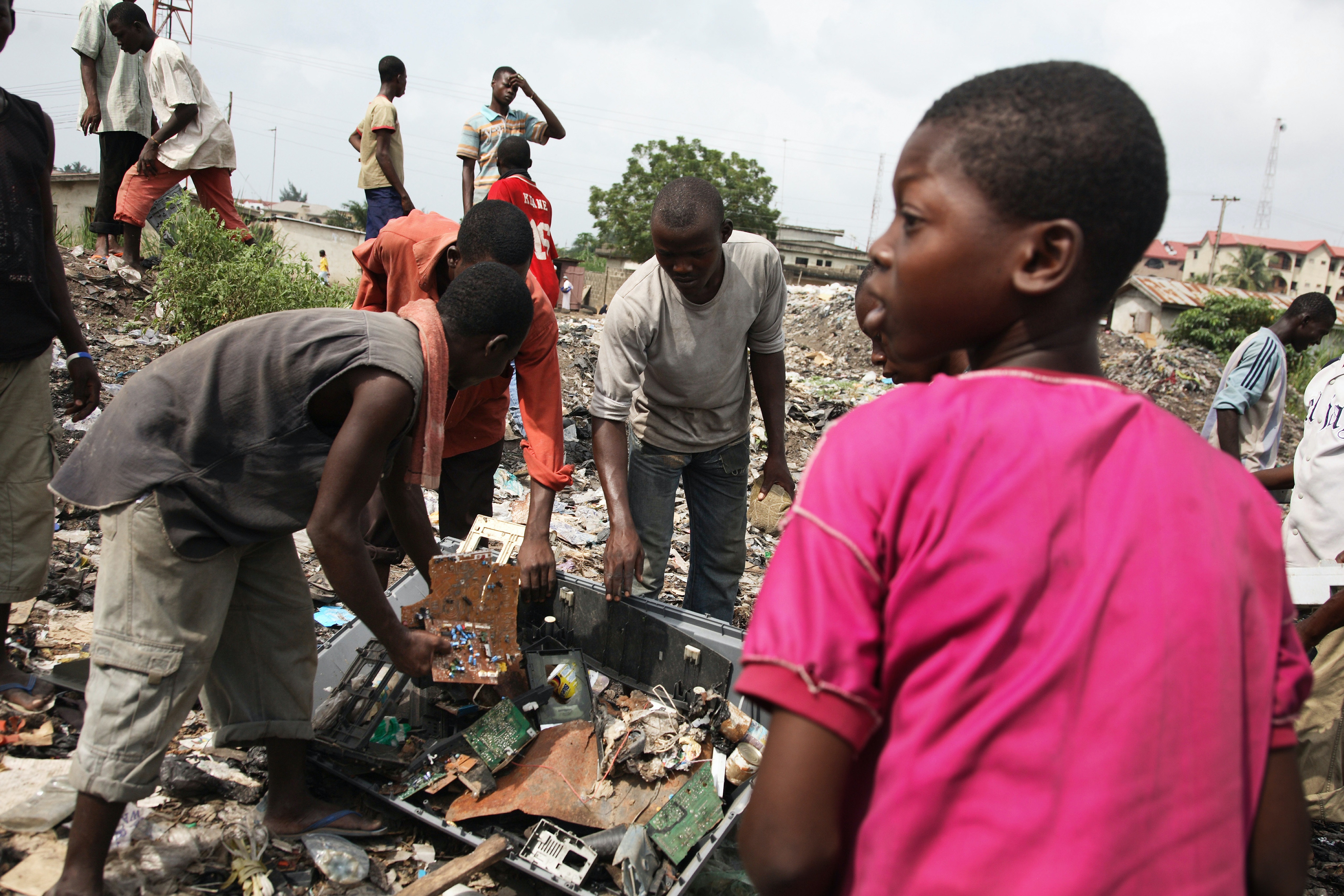
But many residents make their living from unmanaged waste. About a million waste pickers are estimated to operate in Nigerian cities. They depend on collecting and recycling waste, thus giving it a value. In doing so they are also performing an environmental health service. Yet their contribution has not been recognised officially and they are not protected from hazards.
Though Nigeria approved a national solid waste management policy earlier this year, it does not provide a plan to include the large informal sector. An inclusive policy is one recognising and involving informal waste workers in solid waste management while also yielding improvements in their lives and waste management performance.
The importance of doing so has become even clearer in the COVID-19 pandemic. With little or no personal protective equipment, waste workers are often exposed to hazards. Those in the informal sector are particularly vulnerable to disruption of their livelihoods and risks to their own health, especially during the COVID-19 lockdown.
We reviewed national and international policy documents on the pandemic and solid waste management to identify how these issues are linked and where there are gaps in policy. We were also informed by our previous work in waste management research. Our aim is to encourage a more inclusive and sustainable approach to the way solid waste is dealt with in Nigeria.
New kinds of waste
With the COVID-19 pandemic, new kinds of waste have been introduced into the environment. Used face masks and gloves, empty hand sanitiser containers and other plastic personal protective equipment are being discarded. Some of these are hazardous waste as they are used for the treatment and management of infected persons. Although the Nigeria Centre for Disease Control has developed guidelines and protocols for COVID-19, they don’t specify how to manage these new kinds of waste.
In this situation of uncertainty and change, the United Nations Environment Programme and International Solid Waste Association have asked governments to treat waste management as an essential service. These international agencies also advocate that the public waste industry be included in coronavirus emergency response. A key policy documentfor the management of the pandemic in Nigeria merely lists waste management and environmental health services as essential services. We argue that this listing fell short of being gazetted and only applies to formal sector waste workers – not the waste pickers in the informal sector.
As waste pickers often work without protect gear, they are at high risk of viral infections, such as COVID-19. Yet, the Nigerian government’s COVID-19 policy responses have not addressed their plight.
Unsustainable urban policies and practices
Hostile policies towards waste workers during the pandemic are of particular concern. The banning and forced relocation of waste pickers from city dump sites in Lagos is a typical example. Some Nigerian governors also repatriated child beggars, many of whom are involved in waste picking, to their states of origin. The children eventually tested positive for the coronavirus. The forced movement of people raised concerns about transmission of the virus.
Public apprehension about the role of waste in the pandemic was also highlighted by, for example, a video of a pall bearer carelessly discarding his PPE and a photograph of two children wearing apparently discarded PPE.
Policy gaps
Based on our review, we suggest that an effective response to COVID-19 in Nigeria requires paying attention to the status and needs of informal and community actors.
We note the absence of solid waste management professionals on the Presidential Task Force on COVID-19 in Nigeria. This task force has the mandate of coordinating and overseeing efforts to contain the spread and mitigate the impact of the COVID-19 pandemic.
There is also a lack of guidance on how to adapt regular solid waste management services to a pandemic situation. More important is the absence of a solid waste management policy that includes the informal economy. Thus, solid waste management is not seen as a social issue with implications for social sustainability.
What needs to be done
The Nigerian government needs to declare and gazette solid waste management as an essential service. The recognition of waste pickers’ essential role in waste management services would be strategic to improvement of their lives and waste management performance. Collective organising of waste workers is crucial as this can help to create political platforms for informal workers to get support from governments and development partners.
We argue that the informal nature of urban life in Nigeria makes the COVID-19 pandemic a social and political economy challenge as well as a health problem. The status and needs of waste workers, as a social group in the informal economy, need to be taken on board in current and post-pandemic solid waste management policy and planning.


