Nigeria is preparing to elect its next president in February 2023. That person will have a daunting task fixing a near comatose economy.
The next president and his administration will encounter monumental economic, security and political challenges. They will be greeted by a distraught populace bedevilled by rising poverty, inflation, unemployment and unprecedented levels of insecurity.
The high poverty and unemployment rates in Nigeria are ticking time bombs.
To avoid the kind of violent protests that forced the president of Sri Lanka to step down, as well as those that rocked Sierra Leone recently, the new president will need to take bold and decisive measures.
Nigeria’s 33.3% unemployment (42.5% for the youth) and 22.3% underemployment rates are very intriguing, coupled with a 20% inflation rate. The latter is caused mainly by increases in food prices. Insecurity has forced many farmers to abandon their farms and disrupted food supplies to urban centres. The cost of living in Nigeria is so high that Nigerians devote over half of their income to food alone.
About four in ten Nigerians live below the national poverty line. Only 17% hold jobs that pay enough to get out of poverty.
Amid these economic challenges, Nigerians feel a deep sense of deprivation when they see a few elites, with privileged access to the national wealth, live ostentatiously.
Given all these, and based on my previous research, I propose that a plan for economic revitalisation should be the first focus of Nigeria’s next president.
The plan should contain measurable targets for creating jobs, poverty reduction and decreasing the cost of living, improving security and making space for a more collaborative approach. This should involve the private sector and other players.
1. Create jobs
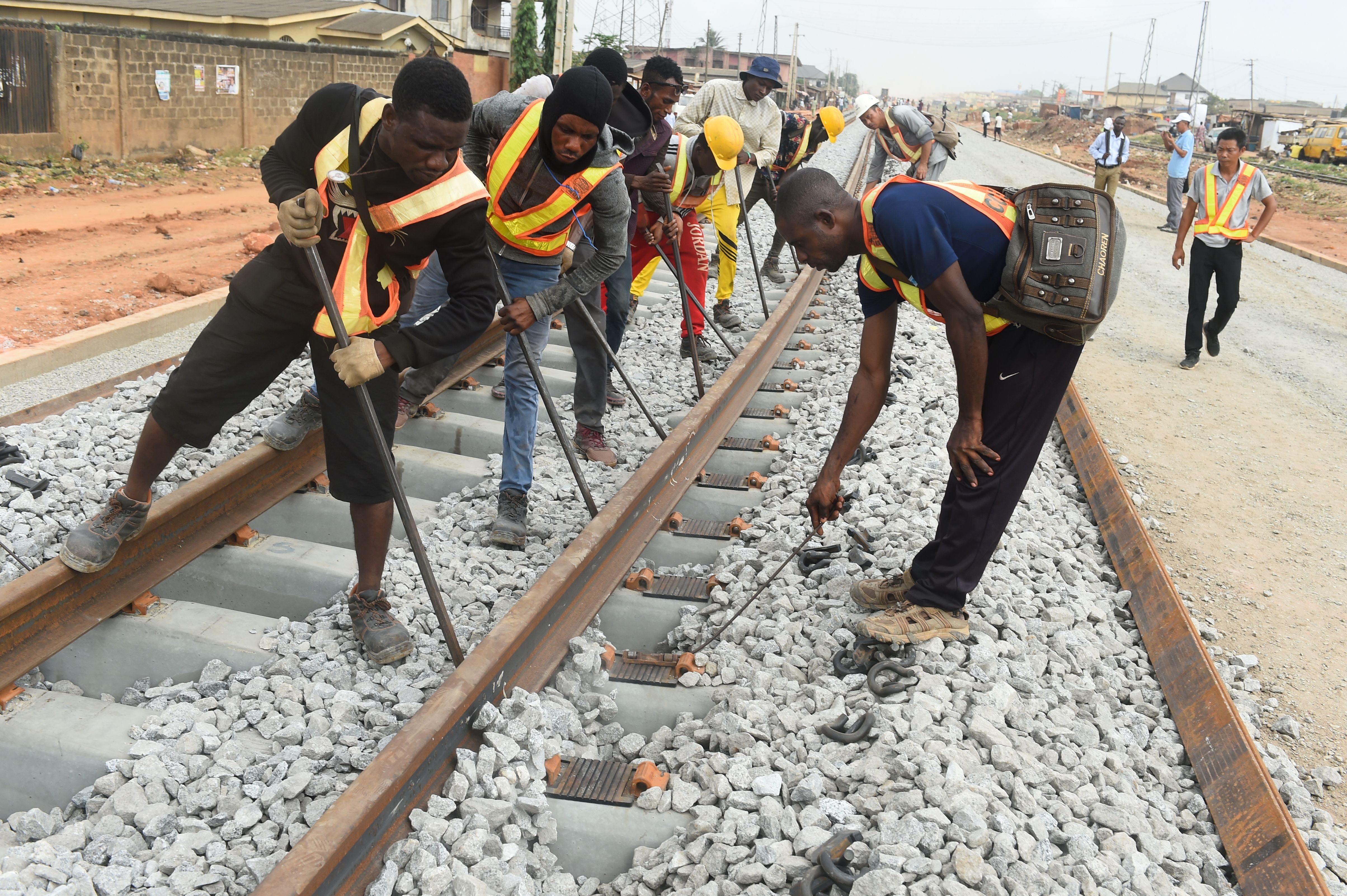
Massive job creation should be done through labour-intensive “shovel-ready” projects in construction, agriculture, renewable energy, environmental sanitation and security.
Presidential candidates should begin now to identify these projects and include them in their manifestos.
The new head of state should resist pressures by politicians to include self-serving projects that don’t create jobs or strengthen the economy’s productive capacities.
Former US president Barack Obama showed how massive fiscal stimulus programmes that include job-creating projects can be effective in reducing unemployment and revitalising a depressed economy.
Nigeria’s unsustainable debt profile means the next president won’t have much space for an expansionary fiscal policy. About 65% of government revenue and over 90% of foreign exchange earnings come from the oil sector. Uncertainties in the global oil market and sluggish revenue growth, as well as the negative impacts of COVID-19 on the economy, imply that the country will face challenges generating enough revenue to service debt and finance budget deficits.
But Nigeria can reduce government profligacy and rein in corruption. Fiscal challenges can also be addressed by imposing taxes on major corporations, especially those in lucrative sectors like oil and gas, telecommunications and banking.
2. Reduce poverty and cut the cost of living
The new administration will have to provide immediate succour to millions living in misery, destitution and hunger.
The Muhammadu Buhari administration experimented with conditional cash transfers. But school meals and other social interventional programmes have only reached 10 million people – 5% of the population.
Nigeria is one of the very few resource-rich countries with no means-tested and institutionalised safety net programmes.
The new president should borrow a leaf from India, where the government introduced “ration cards”. These enable poor Indians to access basic food items at subsidised prices.
Food affordability increases productivity, fosters good health, spurs demand for agricultural products and boosts economic growth. It also prevents violent protests and crime.
The new president should eliminate Nigeria’s very expensive and corruption-ridden fuel subsidies, to create a better environment for job-creating projects.
3. Reduce insecurity
Nigeria’s economic problems can’t be addressed in an environment of insecurity. There are many causes for this insecurity, but inadequate resources is the biggest.
Stories have been told about how criminals overwhelm military and police posts because of inadequate manpower and equipment there. The number of security personnel should be increased massively, through recruiting new officers and withdrawing others from non-essential services.
4. Collaborative approach
The government cannot do it all. The next president should create a conducive environment for the private sector to thrive. Domestic and foreign investors need incentives to invest in the economy.
They need a stable macroeconomic environment with low inflation, a stable exchange rate and robust economic growth.
To this end, the president should be very careful about the choice of his economic management team. The choice of advisors shouldn’t be dictated by ethnic, political and other extraneous criteria.
It is widely believed that Nigerians have never been as polarised. Across the country there are embers of religious intolerance, ethnic chauvinism, separatist tendencies and intra-class clashes.
The new president should provide a credible platform for Nigerians to have frank conversations about how to resolve these issues, as well as the future political structure of the country.
Practical steps
The president should rejig the Economic and Financial Crimes Commission and the Independent Corrupt Practices Commission to make them more effective in fighting corruption.
Nigerians want to see more corrupt individuals prosecuted and jailed. They want to move beyond mere naming and shaming.
To signal urgency, the new president should announce his cabinet and economic team before their inauguration.
This would enable them to hit the ground running. Ministerial portfolios should be assigned before ministers are screened by the senate. This will enable their eligibility to be assessed during their confirmation hearings.


