A new World Health Organisation report warns that pregnant women’s exposure to electronic waste raises the risk of stillbirth and premature births. Environmental contamination researcher Okunola Alabi spoke to The Conversation Africa’s Wale Fatade about the problem of electronic waste in Nigeria.
How serious is the exposure of women and children to electronic waste in Nigeria?
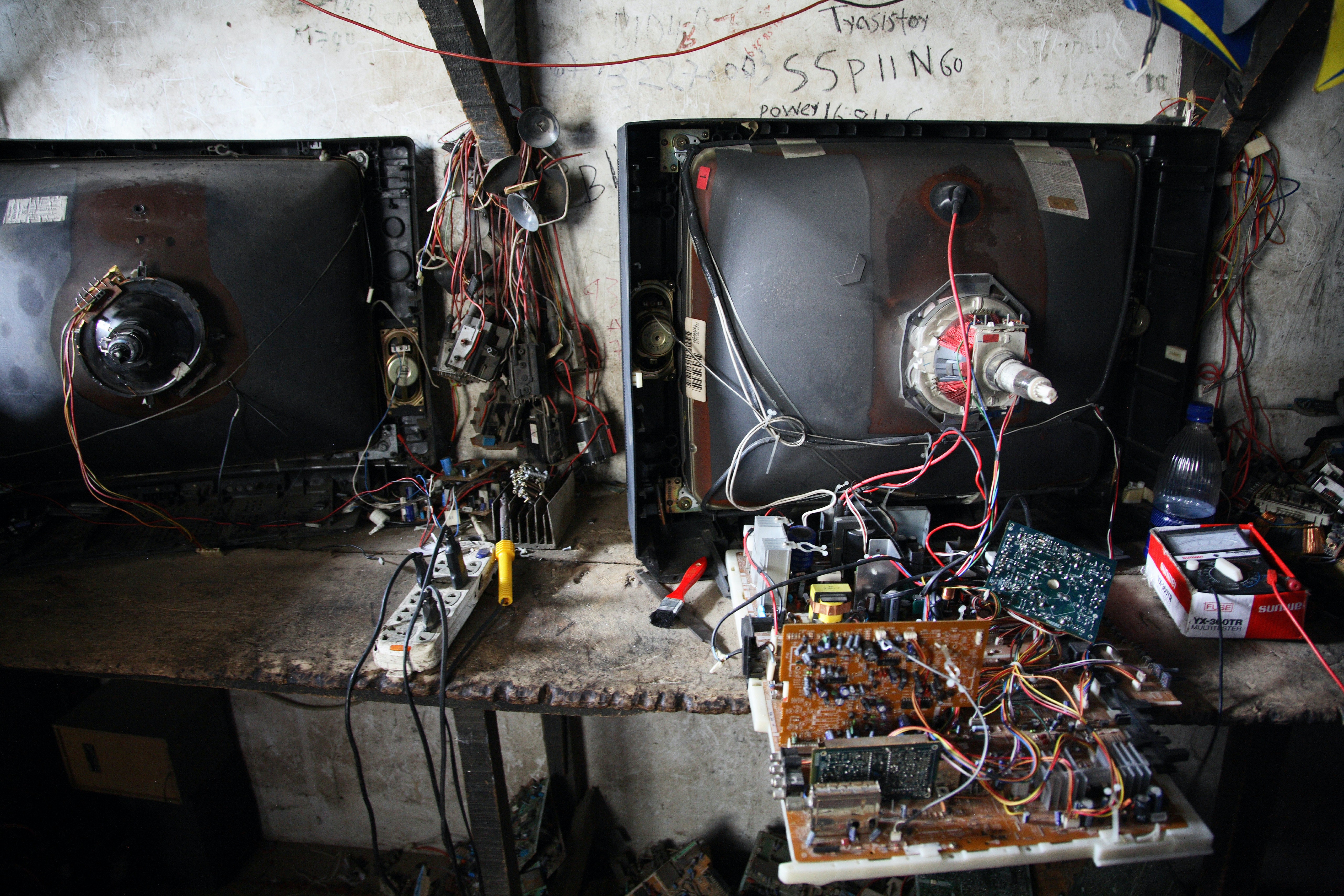
Human exposure to electronic waste is on the increase in Nigeria. This is because of the indiscriminate disposal and crude informal recycling methods in the country. To compound the problem, many electronic markets and informal dumpsites are located in residential areas. This exposes children and women to the toxic constituents of electronic wastes. These are constantly set ablaze, releasing toxic fumes into the atmosphere and contaminating underground drinking water.
This has damaged the health and welfare of individuals exposed to these hazardous constituents. In 2020, we reported on bioaccumulation of heavy metals in the blood of children exposed to e-waste, accompanied by significant DNA damage.
Women account for about 40% of all informal recycling workers and people who extract value from electronic waste in Nigeria.
Studies of the effect of electronic waste on women and children are limited in Nigeria. But we have done some research in the area. In one study we asked workers and residents in Lagos about their perceptions of this risk. Our research showed that spontaneous abortion and cancer were reported by women working in and living close to the two largest electronic markets in Lagos. Spontaneous abortion and cancer accounted for 5.3% and 6%, respectively, of the health problems reported in this study.
Many of the chemicals in electronic waste have been shown to have the potential to cause DNA damage in both mothers and foetuses. Indiscriminate disposal and informal recycling is a serious public health risk to pregnant women and women of reproductive age.
How does Nigeria dispose of its electronic waste and what are the inherent dangers?
The country lacks official recycling activity and effective management policies. Electronic waste materials are disposed of with municipal solid waste, dumped informally or left in homes, offices and warehouses. Large volumes are burnt outdoors and crudely recycled. This pollutes the environment and endangers the health of workers on the sites and nearby residents. Burning electronic waste increases the rate at which underground water is contaminated with toxic chemicals. Underground water is the reservoir of drinking water. Drinking contaminated water has been linked with various infections and diseases.
Electronic waste components are toxic and are not biodegradable. When e-wastes are improperly dismantled and recycled, toxic metals and pollutants are released into the environment.
The WHO estimates that Nigeria generated N64.2 billion worth of electronic waste in 2019 and ranks second in Africa after Egypt.
This should be of serious concern in Nigeria, with a population of above 200 million people. The waste generated in Nigeria coupled with what’s imported is contaminating the environment with hazardous chemicals. There is an urgent need for governments at all levels to take the disposal and treatment of electronic waste seriously, to safeguard the environment and public health.
Our government can also take advantage of the potential for income generation if many of the components in electronic waste can be safely recovered and recycled. Examples include steel, aluminium, gold, copper, and printed circuit boards. If they were recovered using standard acceptable recycling practices, Nigeria could be generating income.
What should citizens and the government do?
The burden of contaminants on human health has not been well studied in Nigeria. This should be given priority considering the high level of contaminants previously seen in soil, well water and edible plants.
The National Environmental Standards Regulations Enforcement Agency should check the indiscriminate disposal of waste. This would reduce open dumping and burning.
The government should remediate the contaminated soil and water at dumpsites.
The federal government needs to separate residential areas from electronic markets to prevent exposure of residents to contaminants.
People need to be informed about the hazards of electronic waste and how to dispose of it.
Workers in the electronic markets need to wear protective gear. Legislation is needed to protect these workers.
There is an urgent need for legislation dealing specifically with electronic wastes in Nigeria. Established rules such as European Union directives and draft legislation of China’s National Development and Reform Commission should be guidelines.
Other steps include adequate funding for waste management; support for recycling and disposal enterprises; and development of management technology. The European Union has guidelines for the use of safe substances and recyclable materials in manufacturing. Producers, importers and retailers should be made responsible for collection, recycling and disposal of electrical and electronic equipment. The country also needs a standards and certification system for second-hand appliances.
Citizens should choose responsibly when buying electronic equipment. They should check whether it contains toxic substances and whether it can be recycled.


