The Omicron variant of the SARS-CoV-2 virus was discovered in South Africa and emerged in November 2021. Scientists have already learned a lot about Omicron. One of the key questions that remains is how well our immune systems deal with infection by this variant.
This is important for two reasons. Firstly, Omicron is highly infectious and has swept across the world. Thus, many people have been exposed to Omicron and we need to define how well such people are protected from future re-infections by emerging variants.
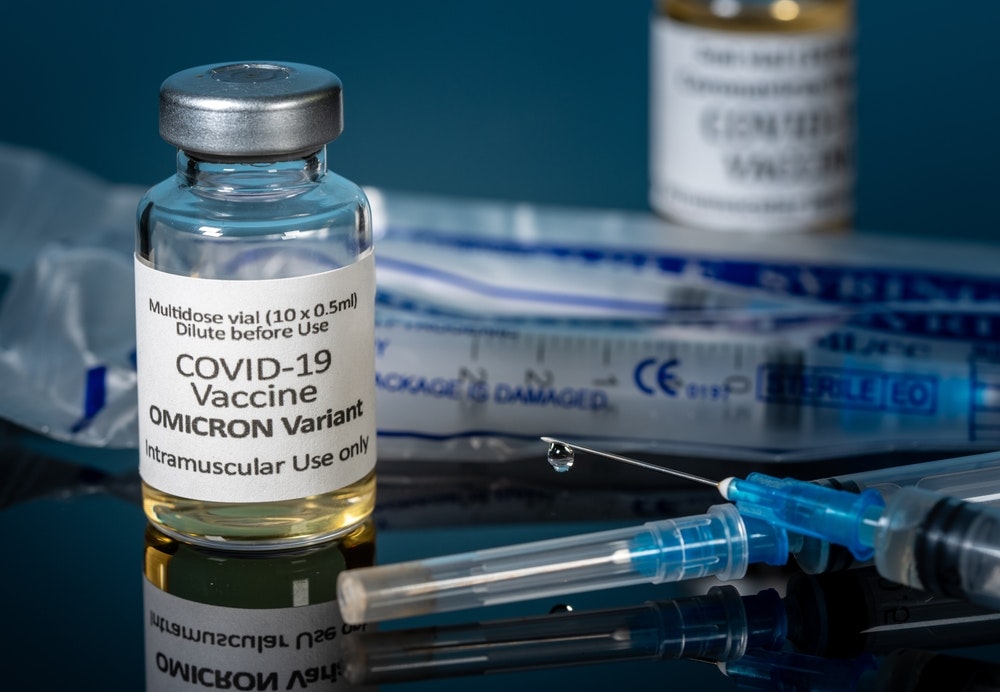
Secondly, several vaccine manufacturers have started to incorporate Omicron into their vaccines. Understanding how well our immune system responds to Omicron will tell us how well such vaccines might work.
Our latest study begins to answer these questions. But first, let’s review what’s known.
Omicron and the immune system
Omicron bears more than 30 mutations in the spike protein – more than any other variant of the virus previously described. Many of these mutations are in parts of the spike that are immune “hot-spots”. These are the parts that antibodies most frequently recognise. Antibodies are the infection-blocking proteins that the body makes when triggered by vaccines or previous infection.
These neutralising antibodies, which prevent infection if present at high enough levels, are 20-fold less effective against Omicron compared to the ancestral SARS-CoV-2 variant. This has translated into much lower protection rates from symptomatic infection caused by Omicron after two vaccinations. Twice vaccinated people are only 20% less likely than unvaccinated people to become infected with Omicron, which is why we have seen Omicron infections even in people who have received a COVID-19 vaccine.
The good news is that this protection is rescued by three vaccine doses (to 60-75% protection). This means you are 70% less likely to become infected by Omicron if you have received three doses of the vaccine, compared to unvaccinated people.
However, vaccines work in multiple ways. Protection from infection is just one aspect, and actually, many scientists feel it’s not realistic to expect that COVID-19 vaccines can completely prevent infection. To do this would require that high antibody levels are maintained for long periods of time, but in reality antibody levels wane.
Crucially, the vaccines we already have, after even two doses, do a very good job at protecting us from severe disease caused by Omicron (providing 70% less chance you will become severely ill if you catch Omicron).
This continued effectiveness against hospitalisation has largely been attributed to a second arm of the immune system, called T cells. T cells are much less focused on the “hot-spots” favoured by neutralising antibodies. They recognise many more parts of the spike, beyond those mutated in Omicron or any other variant.
Also, antibodies don’t just neutralise viruses – they can destroy already infected cells. They can do this with all variants, and it may play a role in preventing severe disease.
Omicron and hybrid immunity
In the first part of our study, we asked how strong people’s immune response was to Omicron infection after previous vaccination, termed a “breakthrough infection”. We found that infection following vaccination results in an extremely strong neutralising antibody response, regardless of which vaccine you received. This is because the vaccine has primed your immune system to be ready to respond to a second exposure, in this case through infection. These high antibody levels mean that your chance of being reinfected, after a breakthrough infection, is likely lower.
In contrast, people infected with Omicron who had not previously been vaccinated make excellent neutralising antibodies against Omicron itself. However, when we test these antibodies against other variants of concern such as Beta, Delta and the ancestral virus, these Omicron-triggered antibodies show substantially reduced activity. Thus, these antibodies are good at recognising the variant that triggered them, but less good at recognising other variants.
This study and our previous data indicate that people who have been vaccinated and suffered breakthrough infections have excellent antibodies and are likely protected from future infection until these antibodies wane.
We have previously shown that the reverse is also true: people vaccinated after infection also show extremely good antibodies.
In South Africa, where as many as 70-80% of people have been infected, and 40% vaccinated, it is likely that many people now have this “hybrid immunity”. This will likely translate into future variants showing reduced ability to cause severe disease.
The bottom line? Vaccination is a great way to make sure your immune system can fight new variants.
Variant-specific vaccines
These data are also key to telling us whether future vaccines need to be adjusted to match Omicron. The risk of this strategy is potentially endless “variant-chasing”, which would require us to update our vaccines constantly.
Our study shows that Omicron is highly immunogenic, but that it triggers neutralising antibodies that preferentially recognise parts of the spike specific to Omicron. These antibodies may not provide particularly good protection against emerging variants, with no guarantee that these future variants will evolve from Omicron.
This also means that new vaccines based on Omicron may not be better than those we already have. That’s a finding supported by early pre-clinical data from Omicron-based vaccines in a study in a study from the US.
Ultimately, rather than focusing on new variant-specific vaccines, the emphasis should continue to be firmly on deploying existing vaccines as fast as possible to as many people as we are able to reach.


