Paradigm shift as African countries throw their weight behind ivory ban:
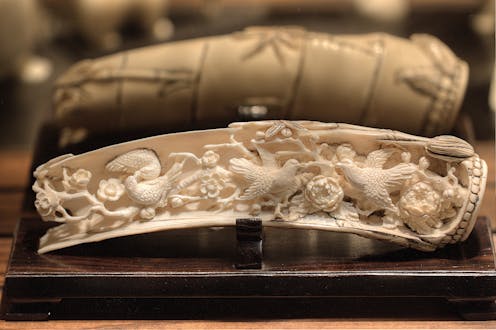
Calls from conservation groups for a strong line and a near total ban on the sale of ivory were strengthened last week when 32 African nations stood as one to demand an end to trade in ivory in Britain and the European Union.
Their intervention in the debate is welcome.
There has been considerable concern over the ivory trade, and the damage caused to Africa’s wild elephant population, on the part of countries who have historically been consumers of ivory goods. Elephant populations have declined from 1.3 million in 1979 to 352,000 today. But elephant range states – including Botswana, Kenya and South Africa – have been slow to point the finger of blame at their old colonial masters.
In taking the lead African countries are showing two things: that they see the illegal wildlife trade as a global issue. And that they aren’t afraid to say so.
This new stance is exactly what wildlife campaigners have wanted to see. In putting African demands for change by the EU central to the ivory trade debate we are witnessing a shift in paradigm that could do more for elephant conservation than a host of international conferences. The message from Botswana’s President Ian Khama message was loud and clear: shut your ivory markets and stop fuelling the poaching of our elephants.
Desire for ivory
Those of us who work in and study the nature and effect of the ivory trade appreciate that it is a complex problem and one that demands a multi-dimensional solution. Millions of dollars have been spent on education and community programmes in Africa in an attempt to solve the poaching problem.
But that does not address the issue that Khama and his fellow leaders pointed to last Friday –- the continuing desire for ivory in the West and Far East. The EU, for example, is the largest exporter of legal ivory. CITES (The Convention on International Trade in Endangered Species of Wild Fauna and Flora) trade data shows that the amount of commercial worked ivory exported legally between 2012 and 2016 amounted to an average of 7,500 items and 121 kg each year.
Khama was not shirking his continent’s responsibility in dealing with the trade in newly poached ivory. But he was highlighting the fact that the EU was fuelling the illegal trade through its continuing sale of legal ivory items. These are ivory artefacts exported to EU member states before elephants were internationally protected under the CITES Convention in 1975.
Current EU rules mean that these older ivory items can be traded within the EU and re-exported from the EU, as long as sellers have the correct certification. It’s a similar case for the UK. It is legal to buy and sell ivory in the UK so long as they have the correct CITES certification. The most common exception is with regards to the sale of antique ivory – defined as pre-1947 worked ivory. This means the elephant the ivory came from was killed before 1947 and that any carving or working to the item took place before this date as well.
183 states are signatories to CITES. This bans the commercial international trade in species listed on Appendix I, under which most African elephants fall. Nevertheless, ivory can still be sold legally in several European and Asian countries. And, there is evidence that signatories are failing to comply with the regulations. One notable example is Japan. Although Japan signed the 1989 convention banning the global trade in ivory, it has been alleged that Japanese sellers are registering tusks that are of undetermined origin.
New legislation
The EU and the UK now have the opportunity to end their historic links to the ivory trade. The terms of new proposed legislation in the UK are awaited following consultations which ended in December 2017. It seems likely that the new legislation will ban transactions in almost all ivory artefacts and that the remaining exceptions will be narrow and more easily enforceable.
When Khama announced last Friday that
I can’t say more than say to the UK… just do the right thing, close the ivory trade
his demands for action were well timed. Both the EU and UK are due shortly to announce the outcomes of their respective public consultations on the ivory trade both of which ended in December 2017 . By working together they have tackled a target that would otherwise be too big and too powerful to face alone. Africa has put the solution to the elephant crisis squarely on Europe.

Caroline Cox does not work for, consult, own shares in or receive funding from any company or organization that would benefit from this article, and has disclosed no relevant affiliations beyond their academic appointment.
Source: The Conversation – Articles (AFRICA)
Read more on The Conversation.
Join the fun: Add Your event | Submit a Press Release | Add your listing.


