Urban green spaces like parks with lawns and trees have well-known benefits for people who live in cities. They help improve air quality, manage floods, reduce noise and keep temperatures down. The United Nation’s Sustainable Development Goals recognise the role of green spaces in creating healthy and sustainable urban life .
The COVID-19 pandemic has made this even clearer, as green spaces have been used for makeshift hospitals and allowing people to get outdoor exercise even in lockdown.
With so many benefits, it may be surprising that African cities aren’t doing much to provide and manage these resources. Statistics show an alarming rate of decline in green spaces in African urban areas. The blame is frequently put on rapid urbanisation, low public appreciation of green space, poor planning and weak law enforcement. In the discussions, the perspectives of one group tend to be missed: people living in informal and slum settlements.
It’s a big group: Africa accounts for about 62% of the estimated one billion slum residents in the world. Also, people in the informal sector contribute more than 80% to Africa’s urban economy, making their participation in urban development essential. But city planning practices in many African countries have neglected these dominant informal and slum communities, considering them as a nuisance in the cities. As a result, slum residents lack access to basic essential services, including parks.
Our research in the Ghanaian capital Accra aimed to examine how access to, and the control and use of, urban land contributes to the decline of urban green spaces amid rapid urbanisation. We wanted to know what slum residents thought about the importance of these spaces, and how their perceptions informed their attitudes.
We found that most of the slum residents had some understanding of the importance of green spaces. This represents an opportunity for city authorities to do more to provide or improve green spaces in slum communities, as they are likely to succeed.
Slum residents’ experiences and attitudes
Accra is Ghana’s largest city, with rapid population growth and high land and housing prices. This situation has resulted in the development and expansion of slums and informal settlements, and rapid loss of green spaces in the city.
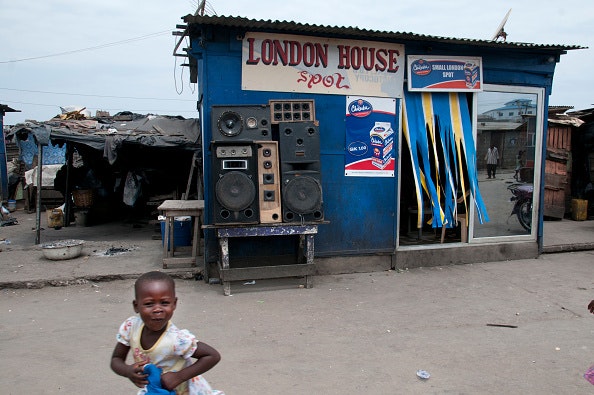
Using two slum communities – Nima and Agbogbloshie – as case studies, we gathered views from 395 slum residents. These communities are among the largest slums in Ghana and are located in ecologically sensitive areas, such as nature reserves, wetlands and stream banks. They have poor sanitary conditions, limited essential services and sub-standard buildings. Their open spaces are in poor condition – including community parks without grass – and are used for activities like hawking.
The popular claim in the urban studies literature is that residents of slum communities are mostly concerned with finding space to live but not for recreation. Contrary to this, we found that 93% of the slum residents in our study demonstrated a reasonable understanding of the importance of green city spaces.
They acknowledged that these spaces made the environment look more attractive, minimised soil erosion and air pollution, and served social gathering purposes. The remaining 7% of respondents did not perceive green spaces to be important, because they did not have them in their neighbourhoods.
Despite these positive perceptions, we found that they did not translate into positive attitudes. The green spaces within slums are fast deteriorating due to interrelated management and behavioural failures.
Our research identified encroachment by slum dwellers (35%) and poor cooperation between residents and city authorities to maintain green spaces (54%) as the two major factors contributing to the loss of these areas.
On the one hand Ghanaian city authorities are focused on addressing problems of poverty, education and health rather than managing green spaces in slums.
On the other hand, many slum residents do little to protect these spaces. They dispose of waste indiscriminately and use the green space for other purposes, including building homes.
Our research showed that the slum residents who held positive views about green spaces also showed high interest in the need to protect them. Some had formed community associations such as “keep-fit clubs” and youth groups. However, out of the positive group, only 14% indicated that they actively did anything to help protect spaces in their communities.
The results contradict some earlier studies that suggest residents demonstrate positive attitudes towards the management of green spaces because they understand their importance.
Policy implications
The findings offer two policy insights. First, slum residents understand the importance of having a green neighbourhood. But they are under socio-economic pressures which make it hard to act accordingly. Second, the idea that slum residents do not appreciate green spaces has conditioned some of them to consider park management as the sole duty of government and therefore they do not provide any management support.
Nevertheless, city authorities can capitalise on the residents’ acknowledgement of the importance of green spaces to provide more education and management.
Accra and several other Ghanaian cities, troubled by unprecedented urbanisation and its associated impacts, are fast losing their green spaces, especially in slum and informal communities. The involvement and contribution of slum dwellers is critical. Although they are often neglected in mainstream planning practice and blamed for the rapid loss of green spaces in Ghanaian cities, our findings show they are willing to support initiatives.
It is important to pay attention to local perceptions and integrate them into plans, since such perceptions influence attitudes and participation in development initiatives. This can encourage a sense of responsibility for addressing critical urban needs.


