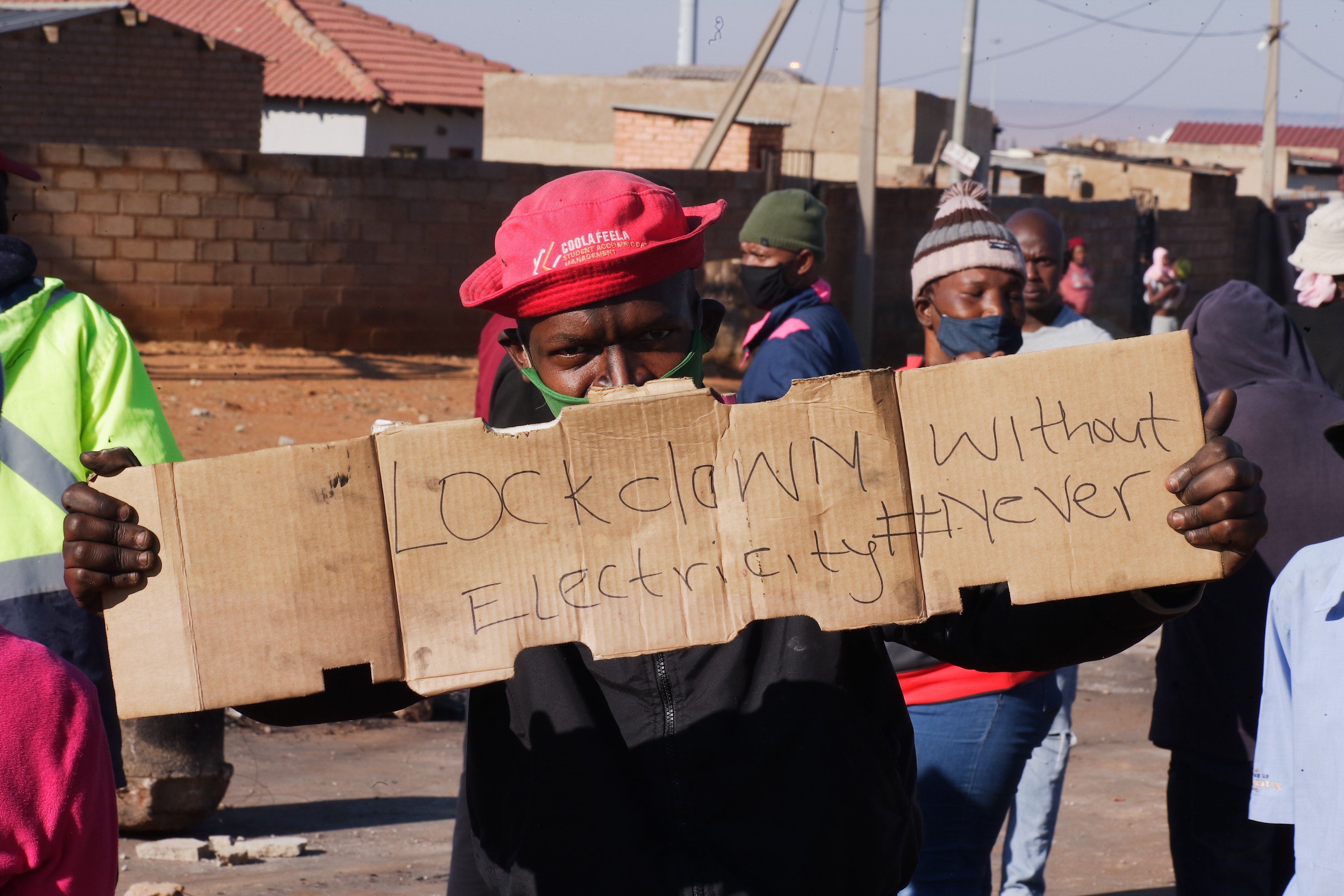
South Africa’s response to the novel coronavirus outbreak was swift and assertive. The country quickly instituted testing, tracing, and quarantining those affected with COVID-19. But the financial and social effects of quarantine hit people, who were already struggling, especially hard. Racial and economic inequalities were amplified in South Africa, as elsewhere, through the new coronavirus threat.
In March, the government introduced extreme lockdown restrictions barring South Africans from leaving their homes except to buy essential goods and seek medical care. We conducted a study to capture how people were coping during lockdown in Soweto, a large conglomerated urban area southwest of Johannesburg. Psychological assessments were done between April 2019 and March 2020; and again in the first six weeks of the lockdown.
We called 957 adults living in Soweto who had been enrolled in existing studies on the epidemiology of syndemics, or synergistic epidemics. We spoke to them about how they perceived and experienced lockdown and COVID-19. A large majority of our sample were female, middle aged (average age was 43 years old), and shared a room at home. Nearly 91% of adults in our sample reported having at least one underlying health condition or more – a potential risk factor for COVID-19 infection.
We already had some information about them, such as early childhood trauma and current mental and physical health as they are already participants in research we are currently undertaking. We also conducted a brief mental health questionnaire on the phone during lockdown.
Our results show that people who viewed their risk of COVID-19 infection to be higher than others in their community exhibited greater depressive symptoms. Furthermore, people who reported histories of childhood trauma had worse depressive symptoms as a result of their perceived risk of getting COVID-19. These findings confirm existing research that shows that people who face more adversity during childhood may be more vulnerable to the effects of stress and trauma in the future – such as the stressors of the pandemic.
We found a strong relationship between COVID-19 risk perceptions and depressive symptoms. But an overwhelming majority (74%) of respondents didn’t think that their life under lockdown and wider pandemic conditions affected their mental health. This discrepancy potentially highlights the ever-present stigma and lack of awareness around mental health in Soweto and the country at large. Our study reemphasises the importance of prioritising and providing accessible mental health services for resource-limited communities in Soweto and across South Africa.
Public perceptions
Many people called it a “virus that kills” and suggested they feared the virus in some way. This most likely inspired people to say that they frequently used preventative measures, such as “I wash my hands and stay home” or “wear a mask” or “keep my distance from people”. Many described feeling some anxiety because they are “always thinking about it”. Most worried about those with preexisting conditions, like HIV, diabetes, or heart disease. They considered these community members most at risk.
Social challenges were common. Many had already lost their jobs and worried about putting food on the table. Others worried because “since lockdown, movement is very difficult”.
Residents were scared to leave the house. One participant was scared because a neighbour’s house was bulldozed and his family had nowhere to go.
Few cases of COVID-19 were detected in Soweto during the first month of lockdown, although many people still perceived their risk to be high. Many described deep anxiety and fear over personal well being, and caring for those they love.
We found people perceived their own risk for COVID-19 infection differently relative to others in their community. About 58% of adults thought they were at lower risk of COVID-19 than others, while 29% reported having the same risk, and 14% having more risk. This risk perception was unaffected by personal characteristics such as age, finances, education, or household density. Greater knowledge of how to prevent coronavirus transmission and to keep their families safe was associated with lower perception that they were at risk of infection.
One in three people in South Africa is expected to experience a common mental disorder like anxiety or depression in their lifetimes. During lockdown, most did not think that COVID-19 had affected or could hurt their mental health. Nevertheless, we found a variety of stressors that caused deep worry, anxiety, and rumination (“thinking too much”) in approximately 20% of adults.
We found that those who perceived their risk for COVID-19 to be higher had more depressive symptoms and more severe histories of childhood trauma. This was true regardless of people’s mental health before lockdown, what they knew about COVID-19, how they coped, and their family and financial backgrounds.
But these measures were collected simultaneously. So we don’t know if these adults were depressed because they felt at risk, or whether they felt at risk because they were depressed. Because we controlled for recent psychiatric status in the first wave of our study before COVID-19, we can be more sure that COVID-19 risk and depression are tightly linked regardless of people’s mental health going into the pandemic.
Finally, we found preliminary evidence that the depressive effects of COVID-19 risk were worse among adults with histories of childhood trauma. In other words, those with greater childhood adversity exhibited worse psychological outcomes during the first six weeks of the lockdown compared to those with fewer accounts of childhood trauma.
Research has shown that adversity during childhood can increase risk for major depression later in life. More childhood trauma also may influence the severity of adult depression and increase how people respond emotionally to future stressors like the coronavirus.
Urgent need for services
Childhood trauma is well-known to influence how severely and for how long people experience depression.
This study shows how those who have experienced social adversity growing up may be struggling more than others in this current moment.
And given the high rates of mental illness and low availability of mental healthcare in the country, our study emphasises the need for immediate and accessible psychological services in resource-limited settings.
This project involved many team members working at the Developmental Pathways for Health Research Unit a the University of the Witwatersrand, including Lindile Cele, Sbusiso Kunene, Sintu Mavi, Ziphezinhle Mpanza, Gladys Morsi, Sharlotte Sihlangu, and Jackson Mabasa, Nokubonga Ndaba, Palesa Adoons; and other leading investigators of this work are Shane A. Norris and Alexander Tsai.


