South Africa has been grappling with power cuts for 15 years, which have worsened in recent years. The persistent power outages have disrupted every facet of life, including food safety. The Conversation Africa’s Ina Skosana spoke to food safety expert Lise Korsten about the impact of persistent power cuts on the food in our homes and the best ways to protect ourselves.
How should we manage the food in our fridges?
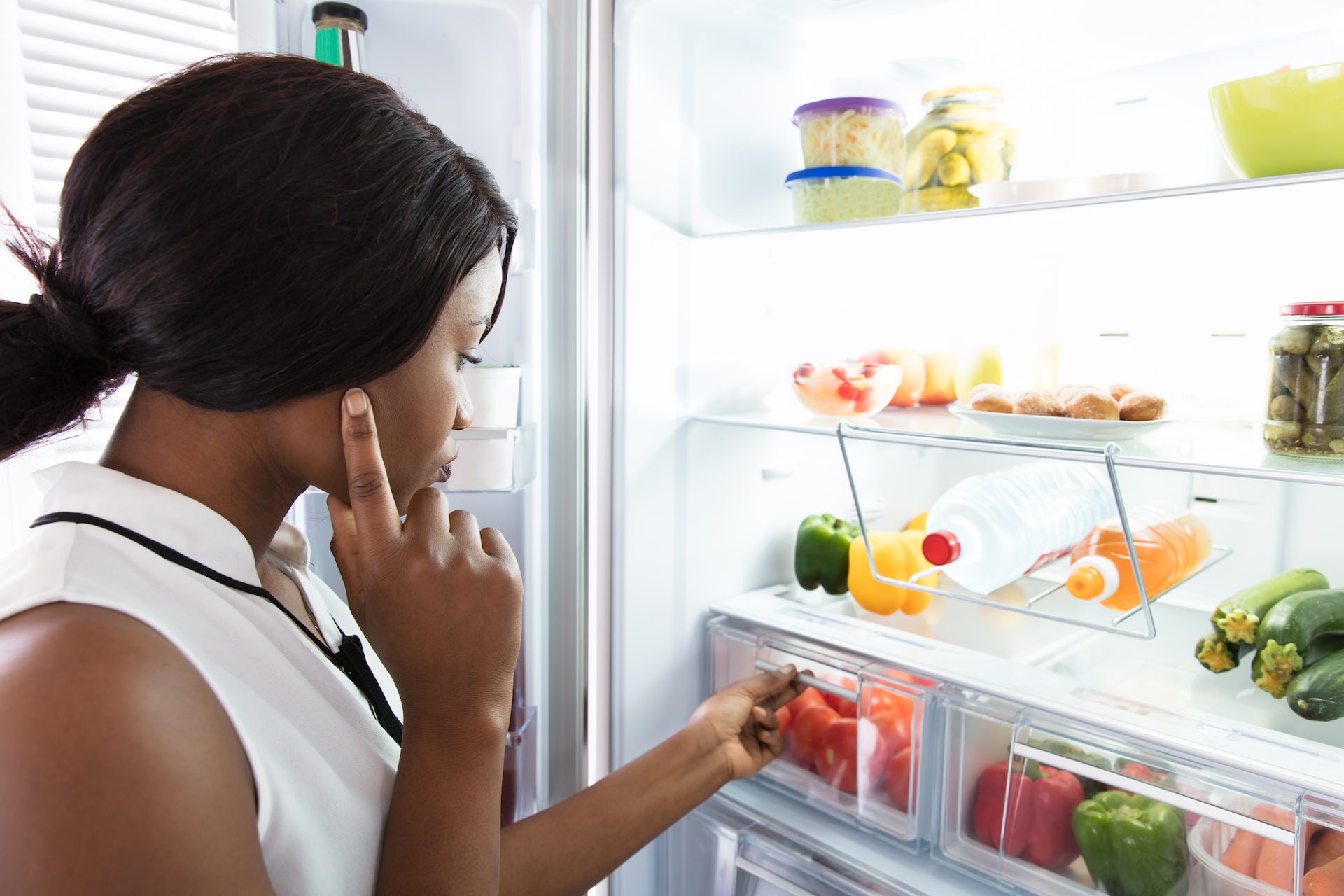
The reality is that loadshedding for extended periods of time is causing temperature fluctuations in our fridges. Particularly if the fridge is regularly opened during loadshedding or if it has old rubber sealants. Temperature fluctuations can make food go bad.
To start with, let’s consider “what’s in our fridges”, “do we really need to keep so much perishable food in our fridges” and “how safe is it, given current loadshedding schedules”.
Loadshedding is forcing us to think about food safety and spoilage, our general behaviour in terms of food purchases, storage, managing our fridges, hygiene and the use of leftover food.
We need to ask ourselves: “are we buying more food than we should, and are we not wasting more food?”
Perhaps we should consider a more minimalist lifestyle if we are to survive the current economic downturn and manage the impact of loadshedding.
Keeping too much food in fridges increases the potential risk of food-borne illness given our current energy crises. In short, households need to better manage the food in fridges and keep as little of it as possible.
What’s the best way to avoid illness?
Keep your fridge – and kitchen – clean. Doing so will reduce the potential of organisms that can proliferate in these environments and cause illnesses, such as food poisoning. There are a few basic ways to maintain hygiene:
-
regularly clean your fridge and keep a special eye on obvious potential contamination points such as areas where, for instance, the blood from raw meat dripped onto the bottom shelf
-
defrost your freezer to remove any ice building up that can affect the performance of the freezer.
New fridges often maintain the temperature more effectively for longer periods of time due to new, well-fitting seals. If it’s an older fridge and the rubber seals are broken or the door doesn’t close properly, temperature fluctuations will more likely occur.
A good rule is also to keep your fridge closed during loadshedding and pack more higher risk items towards the back where less temperature fluctuations will occur. The door of the fridge is a higher risk area because of higher temperature fluctuations. This is important since we often keep milk in this compartment, thereby increasing the risk of it going off before the use-by date.
So set your fridge or freezer temperature correctly, and make sure it’s clean and fully functional. The key is keep the temperature consistent and manage the stocks in your fridge.
Why does fridge temperature matter?
We don’t get sick from just one organism. We get sick from a certain number of tiny organisms. What is important to keep in mind is that some microorganisms can multiply rapidly – in fact some every 20 minutes, others even every 10 minutes.
Environmental conditions – such as fluctuating temperatures – will influence how many organisms are present at a certain point in time and can multiply. If the food is kept at temperatures that fluctuate it will encourage rapid growth of microorganism to levels high enough to cause illness by the time the food is consumed.
In general, microorganisms can multiply at temperatures between 4°C and 60°C. This temperature range is often called the “danger zone” in food safety. Some of these organisms prefer room temperature to rapidly multiply. Leaving food outside the fridge is, therefore, risky behaviour since you do not know if food is contaminated with any pathogens or if general spoilage can occur. The strategy is, therefore, to prevent contamination or “slow down” the growth of organisms through effective cold chain management.
The amount of microorganisms in food that can cause illnesses varies. It can be as little as 10 or 100 colony forming units – the number of microbial cells in a sample that are able to multiply – per gramme of food. Some organisms can make us sick very quickly, even if only a few cells were initially present. Others increase in number over time when temperatures fluctuate, making food temperature management important.
It’s also important to remember that not all microorganisms are enemies. Less than 1% actually make us sick. We need to understand the microbial balance in nature and manage the system to our benefit.
Is it safe to eat leftovers?
It’s interesting to mention a study where waste pickers were asked how they know when food is safe to eat. They explained reliance on basic skills and instinct, which in essence means sensory parameters: smelling if food is off, touch (that slimy feeling), that “look” (texture and offish) and memory – once you have been sick from a specific food item your body will instinctively react (almost like a shiver down the spine).
These instincts are important and are in a way a survival skill, so be stringent when keeping leftover food. If you do, try and consume it as soon as possible, preferably the next day. Also, if you heat something, do so properly. A golden rule is to avoid reheating food, especially not more than once. Keep in mind that microorganisms can survive high and low temperatures, and can rapidly multiply during the cooling down periods. So your timeline for safety gets less the longer you keep your food and expose it to fluctuating temperatures.
If possible, make sure you only prepare enough food for a meal, and try and keep fewer leftovers in your fridge. We should also start thinking about eating smaller portions and ask ourselves the question: do our bodies really need that volume of food? It is better, for our mind and soul, to be more conscious of using food wisely and wasting less. This is important in a country where a very high percentage of people go to bed hungry every night.
So what to do?
We all have time constraints, with the majority of people getting home late at night and having to rapidly prepare a healthy, safe meal. So plan meal portions, preparation and serving times around loadshedding, and manage the food in the fridge more wisely.


