Prescription Drugs Addiction
Prescription stimulants are widely used pharmaceutical agents for the treatment of narcolepsy and Attention Deficit Hyperactivity Disorder (ADHD).
Among the drugs in this category are:
- Amphetamine and dextroamphetamine (Adderall).
- Lisdexamfetamine (Vyvanse).
- Methylphenidate (Ritalin, Concerta).
- Dexmethylphenidate (Focalin, Attenade).
Stimulants, as the name implies, can boost energy, alertness, and concentration.
Increases in heart rate, blood pressure, and respiratory rate are also physical effects.
They can also produce a pleasant high, mainly when used for non-medical purposes or in higher doses than prescribed by a doctor.
Prescription stimulants are among the most commonly abused drugs.
Some people use prescription stimulants to improve their academic performance by increasing their energy and concentration levels, while others use them as euphoria-producing recreational drugs.
Amphetamine, methylphenidate, and other prescription stimulants produce psychoactive effects via a biochemical process, or mechanism of action, that is very similar to that of illicit drugs like cocaine and methamphetamine.
Stimulants, in particular, cause a buildup of a class of neurotransmitters known as monoamines, particularly dopamine and norepinephrine, in the brain and spinal cord.
Norepinephrine is essential for the fight-or-flight response in the body.
High norepinephrine levels increase heart rate and breathing and cause the liver to release glucose stores for a quick energy boost.
Increased dopamine signaling is essential for both the therapeutic and addictive effects of stimulants.
Dopamine is a neurotransmitter that regulates arousal, or the physical and mental state of being alert.
Dopamine supplementation improves energy, wakefulness, and attention while decreasing fatigue and drowsiness.
Dopamine also plays a role in brain pathways that govern feelings of reward and motivation.
Actions that promote survival, such as eating good food, spending time with a friend, or having sex, naturally increase dopamine signalling.
The increase in dopamine activity that occurs as a result of these actions reinforces the desire to repeat them in the future.
Almost all addictive drugs have been discovered to increase dopamine signalling in the brain’s reward circuitry, either directly (as stimulants do) or indirectly (as seen with opioids).
In this way, addictive drugs or behaviors (e.g., gambling for some) can hijack the brain’s normal motivation system, eliciting a reinforcing reward signal for activities that harm, rather than benefit, the person.
Tolerance
When a person abuses a drug for a long time, their body begins to adapt and develop tolerance to the substance.
Tolerance occurs when a person requires increasing doses of a drug to achieve the desired effect.
One of the first physical signs of drug addiction is the desire to increase drug use.
To reduce the development of tolerance, doctors may change the medications they prescribe to a patient on a regular basis or instruct them to take a “drug holiday” for several days or weeks.
Individuals who abuse stimulants on their own, on the other hand, risk missing or disregarding the warning sign of tolerance.
As they seek more and more of the drug to counteract the effects of tolerance, they are likely to encounter another phenomenon inextricably linked with chemical dependency—drug craving.
Cravings
Because stimulants and other addictive drugs fool the brain’s reward and motivation circuits, long-term abuse can lead the brain to perceive the drug as not just pleasurable, but critical to a user’s well-being.
When an addicted person abruptly stops taking the drug, this can result in intense cravings.
These cravings may be similar to physical needs, such as a desire for food or water.
Even when confronted with the serious negative consequences of their continued drug use – consequences such as job loss or failed interpersonal relationships – a user’s desire or resolve to quit can be overcome.
Cravings can also occur unexpectedly when an addict is reminded of drug use by a place or situation.
This chain of events is one of many dangers for people who have recently abstained from drugs, potentially increasing their risk of relapse.
Effects and Methods of Use
When taken as directed, prescription stimulants are available as pills and tablets that provide controlled, therapeutic doses of the medication.
Those who abuse prescription drugs recreationally frequently take higher-than-recommended doses in order to increase the euphoric high they feel.
Some stimulant abusers go even further to increase their high by using extremely risky methods of administration.
Alternative approaches include:
- The pills were crushed and snorted.
- Putting them in a drink.
- Prior to injection, they are dissolved in solution.
Overdoes and other side effects are greatly increased by these methods.
Newer medications, such as lisdexamfetamine (Vyvanse), have been designed so that crushing the pills does not release higher doses of the drug, thereby reducing abuse and harm.
Although there is little evidence that combining prescription stimulants with other drugs increases their addictive potential, there appears to be a link between stimulant abuse and tobacco use.
What Exactly Does Addiction Mean?
When a drug is used for an extended period of time, the body can become physically dependent on it.
This means that when use is paused or stopped, the body does not function the same way.
Quitting a stimulant drug abruptly after a long period of abuse will almost certainly result in withdrawal symptoms.
Addiction to prescription stimulants is frequently accompanied by drastic lifestyle changes.
Without the drug, an addict may feel unable to meet simple, everyday responsibilities such as work or family obligations.
They may also experience intense anxiety or dread at the prospect of being forced to stop using the substance.
Aside from these anxieties and fears, previously enjoyable activities such as hobbies or socializing with friends may no longer seem worthwhile.
For an addict, use may appear to be essential to daily functioning or even happiness, making it extremely difficult to stop.
Withdrawal Procedure
Withdrawal symptoms vary depending on factors such as how long and how frequently a person abused stimulants and may include:
- Cravings for drugs
- Feeling “flat” or lacking enjoyment in daily life (anhedonia).
- Irritability and anxiety
- Appetite has significantly increased.
- Insufficient energy.
- Disrupted sleep patterns – insomnia or excessive sleeping
- Depression
Individuals addicted to prescription medication may experience some or all of these symptoms for several weeks to months after discontinuing use.
While these symptoms usually go away on their own, medical support and supervision can help to prevent relapse as a result of the unpleasant withdrawal syndrome, as well as protect against dangerous, self-harming behavior (including suicide).
Relapse is especially dangerous during long periods of withdrawal.
Even after several days or weeks of abstinence, drug cravings may still be triggered by everyday situations that are associated with drug use in the recovering person’s mind.
Such triggers are unique to each individual, but they may include situations such as:
- Workplace stress.
- Conflict with loved ones.
- Being in the presence of people or places associated with previous drug use.
Treatment for prescription medication addiction can assist those attempting to quit in understanding the factors that contribute to their compulsive use. Moreover, it can provide methods of coping with the triggers that will inevitably emerge.
How to Get Prescription Stimulant Addiction Treatment
Because the effects of prescription and illicit stimulants are similar, treatments for amphetamine and methylphenidate addiction are based on those used to treat cocaine and methamphetamine addiction.
Because no SAHPRA -approved medications exist to treat prescription drug addiction, these treatments rely on various behavioral therapies.
Following a medically supervised detoxification period, behavioral therapy can be delivered in an inpatient or outpatient setting, and will frequently include treatment strategies such as:
- Contingency Management Interventions – Contingency management interventions use tangible rewards, such as vouchers for drug-free urine tests, to encourage desirable behaviors such as drug abstinence.
Such approaches, which have been used successfully to treat stimulant addiction, may also include punishments for undesirable behaviors.
- Cognitive Behavioral Therapy (CBT) – CBT encourages people in recovery to recognize and anticipate situations that may trigger cravings, to consider the consequences of drug use before relapsing, and to develop coping strategies for difficult situations.
This treatment was created for people who were addicted to alcohol and has since been adapted for use in cases of cocaine addiction.
In addition to the more traditional outpatient, inpatient, and residential treatment options, therapeutic communities and other sober living settings/environments are available to provide people in recovery with long-term support—typically 6 to 12 months or more.
Clients in such a program can learn to live independently while also benefiting from being part of a drug-free community.
Even after completing a treatment program, it is necessary to maintain a focus on recovery in order to reduce the risk of relapse.
This article was first published at https://www.freemanhouserecovery.com/prescription-drugs-addiction/
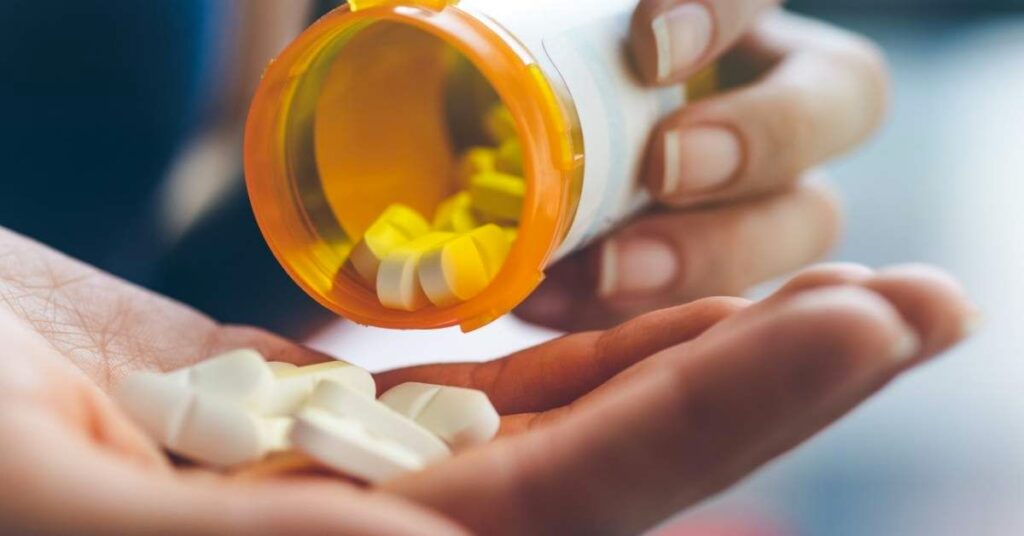
scription Drugs Addiction
More Info on Prescription Drugs Addiction here:
Twitter: https://twitter.com/topclickmediasa
Facebook: https://www.facebook.com/topclickmediaSA/
CLICK HERE to submit your press release to MyPR.co.za.
Press Release Views since 1 July 2022: 73


