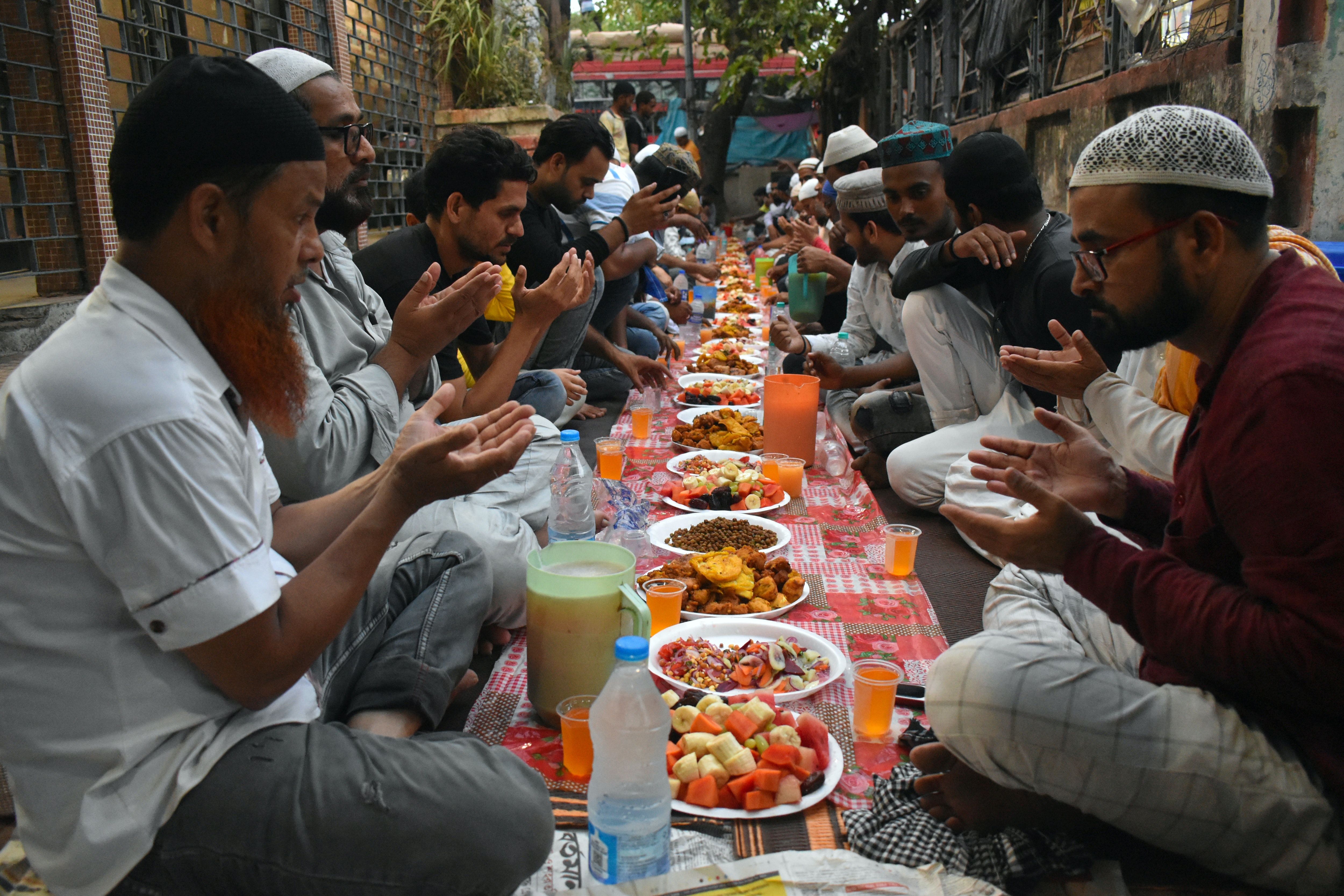
Ramadan is the month in the Islamic calendar when the Qur’an was revealed to the prophet Muhammad (PBUH). During the month, Muslims abstain from all sensory pleasures (like food and drink, sex, TV and music) from dawn to dusk. The time is centred on prayer, the Qur’an, deep mindfulness and spiritual reflection. The duration of fasting varies from 13 to 18 hours a day, depending on the daylight times in a country. Muslims believe that fasting helps to develop their submission to God, empathy with the poor and repentance for past sins. Registered dietitian, Dr Nazeeia Sayed, spoke to Faaizah Laher, also a registered dietitian and a spokesperson for the Association for Dietetics in South Africa, about the healthiest approach to the fast.
What does fasting do to your body?
During fasting, meal schedules, fluid intake, and sleep and wake times are altered. This causes physiological, biochemical and metabolic changes in the body. The adaptability to these changes depends on the types and quantity of foods and drinks that are consumed during the month.
Initially individuals may experience headaches, dizziness and nausea because they are sleeping less and taking in less caffeine. In the second week the body is used to the changes and the digestive system is able to rest. The size of the stomach changes and the amount of food a person is able to eat at each meal also decreases.
During Ramadan, as at any other time, a person should eat a balanced diet. A balanced meal approach consisting of lean proteins, whole grain starches, vegetables, fruits, and heart healthy fats will allow individuals to experience a reduction in body weight, body fat, blood pressure and anxiety levels. A reduction in inflammation and blood lipid levels is good for heart health. A balanced diet is a healthy, non-pharmacological way of minimising risk factors such as indigestion, dehydration and constipation but still improving health.
Why is it important to consider what foods and drinks you start and break your fast with?
The Ramadan cornerstone is to practise mindfulness, discipline and control. It is a great time to reset and learn better nutrition habits. The eating and drinking window in the day is fairly small. Eating slowly, and reading hunger and fullness cues, are important to prevent discomfort. Meals can also be broken up into two smaller evening meals instead of one big meal.
Huge meals that are high in fat and sugar can lead to health issues such as high blood pressure, indigestion, nausea and constipation or aggravate existing problems. Focus on healthier cooking methods such as grilling, baking, air frying or stewing instead of deep fat frying and oily meals. Oily meals cause indigestion, sluggishness, fatigue and weight gain.
Hydrating well will prevent headaches, urinary tract infections and dizziness. Focus on fluids that are low in sugar, avoid fizzy drinks and caffeine, and opt for water or smaller portions of fruit juices.
Healthy eating is important, as a strong, healthy body can help an individual stand longer for prayers, fast with better strength and feel less of an energy drain.
What are the best foods and drinks to begin and end the daily fast?
The suhoor meal (before the fast begins at dawn) needs to give a person strength, vitality and sustainability. Foods should be wholesome and filling. This meal is the primary source of fuel for the day. A filling, wholesome meal will help to prevent craving during the day.
Instead of sugary cereals, it’s best to eat a meal that is high in fibre and protein. Some examples include:
-
An oats smoothie with fruit, milk and yoghurt, oats, seeds and honey
-
Wholewheat toast with mushrooms and scrambled eggs
-
Granola, yoghurt, honey and fruit; add a boiled egg for extra protein
-
Cooked oats with apple, cinnamon, milk and honey
-
Talbina (barley) with nuts, milk and fruit
-
Tuna on toast with a glass of milk.
The iftar meal at the end of the day needs to give balance and help to recharge the body after many hours of fasting. It is important to eat mindfully and slowly. Dates are an ideal food to break the fast with as they are easily digested, contain soluble fibre and enable a slower start to the iftar meal than starting with food.
Avoid fizzy and sugary drinks at iftar. Salty and sweet foods can cause indigestion, fatigue and thirst. The meal should include the different food groups.
-
Proteins: lean meat, yoghurt, milk, beans, lentils, fish.
-
Carbohydrates: wholewheat or unrefined options are better – brown rice, wholewheat roti or pita, starchy vegetables like potato, sweet potato, butternut or pumpkin, wholewheat pasta or crushed wheat and oats added to soups.
-
Fats: avocado or olive oil-based dressing, olives
-
Vegetables: a colourful mix of vegetables, cooked or raw
-
Fruits: whole, with the skin on and no sugar added is the best option.


