Togo is one of the poorest countries in the world, with a per capita gross domestic product of US$644. Most of the population depend on subsistence agriculture. Over 56% live in rural areas and many lack basic services such as healthcare, education and safe drinking water.
One of the key resources to develop these basic services and the economy is electricity. Just under half of Togo’s 8 million people have no access to electricity, especially in rural areas. Access has increased in Togo from 17% in 2000 to 53% in 2020. This is higher than the figure (43%) for all low income countries but has a long way to go.
The small West African country plans to achieve universal access to electricity by 2030.
Its main challenges are capacity, technology and expertise for generation. To meet demand, Togo has to import most of its energy from Ghana, Cote D’Ivoire and Nigeria.
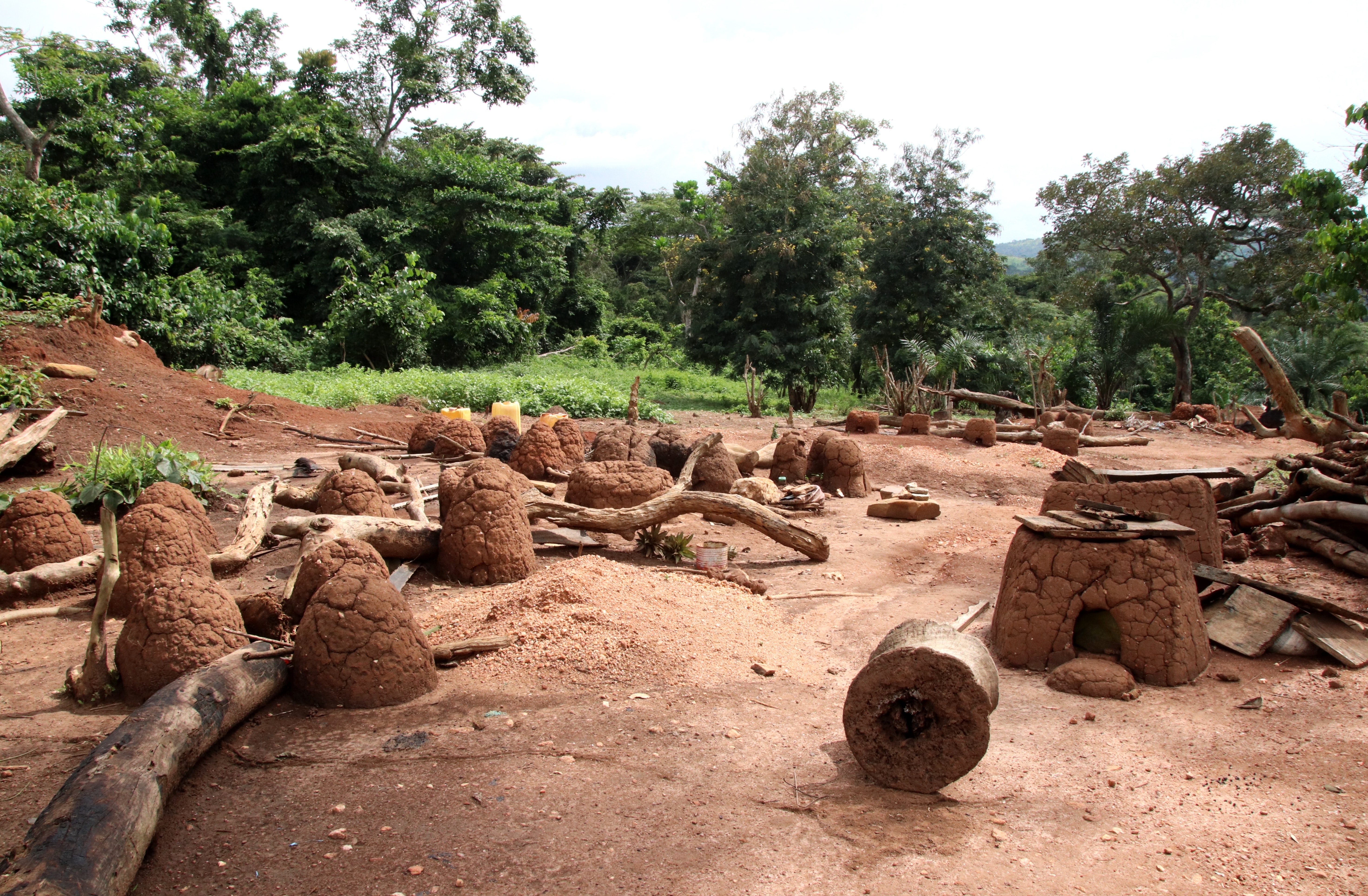
The country’s main source of energy is biomass. About 76% comes from firewood, charcoal and vegetable waste. Petroleum products account for just over a quarter of energy needs, while electricity derived from thermal, hydropower and solar accounts for 4%.
This dependence on biomass is a major problem because it’s polluting and not very efficient. It can create health problems and environmental damage, which in turn are negative for the economy.
There is evidence that clean renewable energy – solar, wind and hydro power – can help support economic growth in African countries.
Our own study looked at the potential of small scale solar photovoltaic and hydropower in Togo. We found that raising the share of renewable energy through accelerated access to these sources is the most feasible route for electrification in Togo.
The study calls for much greater private sector involvement in the energy sector. The current monopoly is a big inhibitor for private investment. The lack of a trained workforce also inhibits development and must be addressed. We recommend the creation of local manufacturing plants to produce solar system components.
Our findings could inform decision making about the most suitable renewable energy sources and technologies for the country. This could improve economic growth and enhance Togo’s energy mix, reducing its dependence on biomass.
The challenges
Energy systems in many countries, including Togo, are a balance between energy that’s generated centrally at a large scale and energy that’s generated at a smaller scale closer to where it’s used. Balancing the two sources makes energy supply more reliable and stable.
Centralised facilities are good for meeting the energy demand in densely populated areas where it’s economically feasible to construct transmission and distribution infrastructure. Distributed generation refers to a variety of technologies like solar panels which may serve a single structure like a home or business, or be part of a micro grid.
We asked a broad range of stakeholders for their views on renewable energy development as part of a balanced system in Togo. The respondents included policymakers, academic institutions, financial institutions, non-governmental institutions and private companies.
Most of them indicated there was significant potential in renewable energy, primarily solar (70% of respondents) and hydropower (80%). Togo’s potential for wind energy is not high.
Our study also identified a number of challenges with renewable energy, however.
For example, the Togolese government needs to determine the generation potential from various renewable energy sources. The head of a renewable energy research centre said:
There is a need for real mapping of potential based on different zones to know the type of renewable energy to install.
Other challenges include:
-
the need for external funding to establish networks
-
a guarantee of the sustainability of projects via integrated management provided by the mandated operator, Compagnie Energie Electrique du Togo
-
the need for regulations such as standardised power purchase agreements and tariffs
-
tax incentives that favour companies with a public interest and not private organisations
-
barriers to private investment.
We found that the monopoly of the energy sector is the main inhibitor for private investment. The state electricity company is the sole entity that can market the electricity generated. There is no competition in electricity markets that could reduce the price per unit.
Solutions
Our findings show that the most feasible route for electrification is to raise the renewable energy share through accelerated access to small-scale solar photovoltaic and hydro power supplied by private companies or public-private partnerships.
A more diverse mix of energy sources, including renewables, would improve access and reliability, and boost agricultural and small business.
For example a solar powered crop processing unit could help farmers grow, process and store more agricultural products in all seasons of the year. In addition, electricity enables and improves the delivery of social and business services, such as schools, markets and water pumps.
Our research identified a need for research into developing the best sources of renewable energy for each location.
Awareness and training of the workforce are also needed to help plan and develop renewable energy.
Finally, Togo needs government commitment towards achieving sustainable energy supply, in the form of financial resources and steps to free up the energy sector and attract investors.
A competitive market would reduce the price of electricity. Looking at the abundance of renewable energy resources in Togo, and the country’s financial constraints, the government needs to collaborate more with the private sector.


