In early March the United Nation’s General Assembly voted on a resolution demanding Russia immediately stop its military operations in Ukraine.
Out of 193 member states, 141 voted in support of the resolution, five voted against, 35 abstained and 12 didn’t vote at all. Of the 54 African member states, Eritrea voted against the resolution, 16 African countries including South Africa abstained, while nine other countries did not vote at all.
In all about half (26) of the 54 member states in Africa chose the path of neutrality in some form.
So why did African countries not vote overwhelmingly to support the resolution?
I believe that the decision of several African countries to stay neutral and avoid condemning Russia for its invasion of Ukraine was made on issues relating directly to the conflict as well as broader security, economic and political considerations.
There are five key reasons: these include scepticism towards the North Atlantic Treat Alliance (NATO), and its motives; growing reliance among some countries on Moscow for military support past decade; growing dependence on wheat and fertiliser imports; and a sense that this is a return of the Cold War.
African countries have based their decisions on strategic calculations on how the conflict will affect them rather than on the humanitarian catastrophe arising from the conflict. This is in contrast to the European Union which has been able to converge and take a unanimous stance on the conflict.
The driving arguments
First, some African countries including South Africa see the NATO as the aggressor with its expansion eastwards. This, in the view of these countries, constitutes a threat to Russia. The president of South Africa recently blamed the organisation for the war in Ukraine stating:
the war could have been avoided if NATO had heeded the warnings from amongst its own leaders and officials over the years that its eastward expansion would lead to greater, not less, instability in the region.
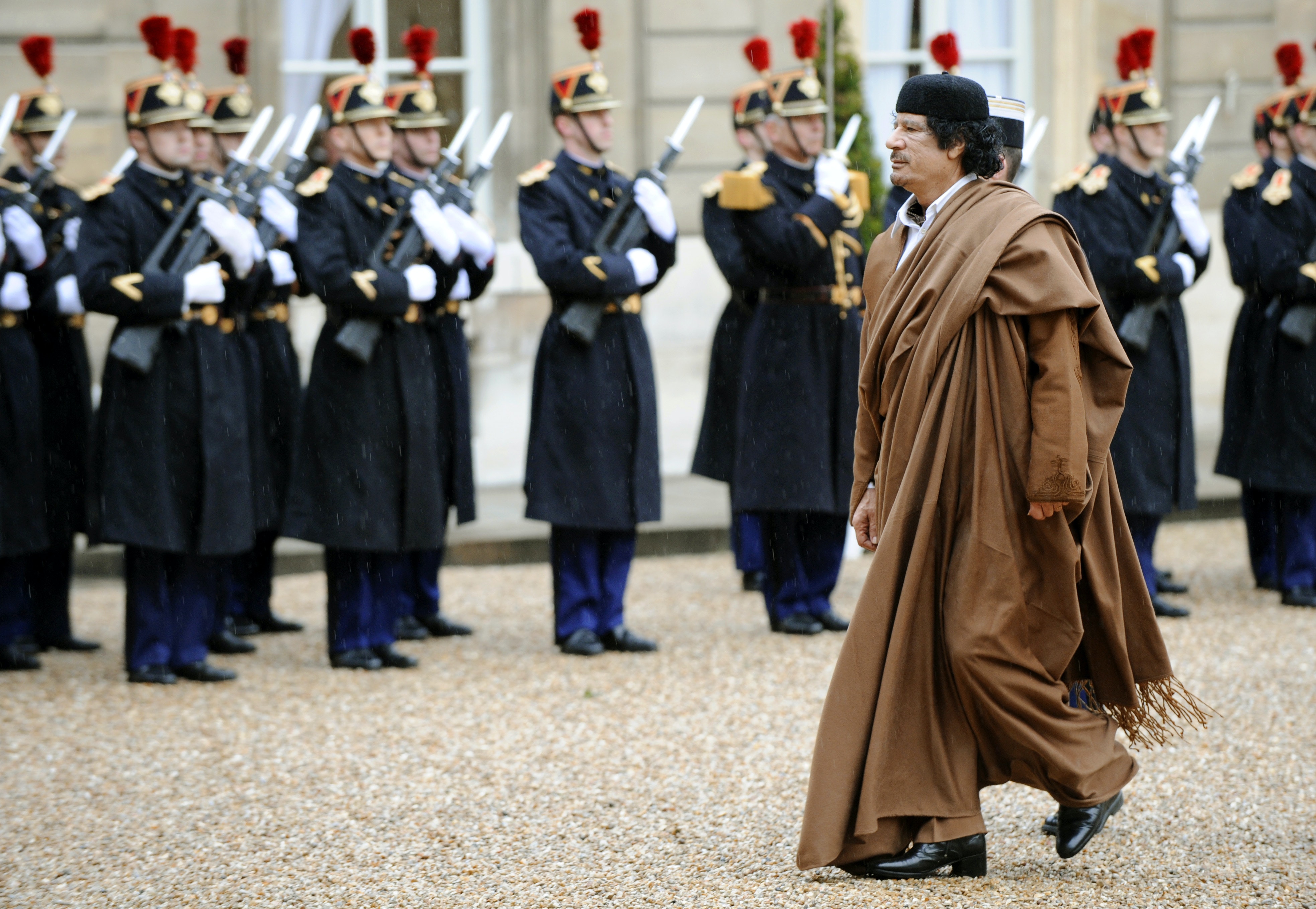
This is not the first time African countries have been sceptical of NATO’s activities. In 2012, the former president of Namibia (another country which abstained from the vote) argued that NATO’s overthrow of Libya’s Muammar Gaddafi should be condemned and rejected by all right thinking Africans.
The invasion of Libya and the subsequent killing of Gaddafi resulted in destabilisation in North Africa and the Sahel. The result is that NATO has become quite unpopular in several African countries.
Second, in the last decade, several African countries such as Libya, Ethiopia, Mali and Nigeria have developed significant military alliances with Russia. Several African countries have depended on Russia to combat insurgencies. This has ranged from hiring private military contractors from Russia such as the Wagner group to direct arms imports.
Read more: Rising instability in Mali raises fears about role of private Russian military group
The lack of emphasis on adherence to human rights has shifted many countries in Africa to building military alliances with Russia. For instance, in 2014 when the United States refused to sell certain weapons to Nigeria due to gross human rights abuses recorded in the fight against Boko Haram, Nigeria turned to other countries including Russia and Pakistan for arms supply.
Read more: Sanctions against Russia will affect arms sales to Africa: the risks and opportunities
In 2021, Russia signed military cooperation agreements with Nigeria and Ethiopia, the two most populous countries in Africa.
The Stockholm International Peace Research Institute estimates that Russia sold 18% of the total arms it produced to Africa between 2016 and 2020. Some of these military alliances have been in existence since the Soviet era and are deeply entrenched.
Third, several African countries depend on Russia for wheat and fertilisers. This has deepened economic ties. The figures from the UN conference on trade and development show that African countries imported wheat from Russia and Ukraine worth about US$5.1 billion between 2018 and 2020. A quarter of African countries depend on the two countries for a third of their wheat consumption.
Russia accounts for 16% of global wheat production, and 13% of fertiliser production. African countries are already reeling from the impact of COVID-19 are sceptical about cutting any trade links.
Read more: Russia’s war with Ukraine risks fresh pressure on fertiliser prices
In addition, the perceived lack of support from the west during the COVID-19 pandemic has shifted many African countries further away from their traditional western allies in Europe and America.
Fourth, some African countries see the conflict as a proxy war between US and Russia, reminiscence of the Cold War and so don’t want to get entangled in the conflict.
The Cold War brought untold hardship to several African countries as it happened when most of the countries in Africa were gaining independence and needed to align with one of the blocs. Several civil wars ensued. It therefore seems right to countries to some stay neutral at this point.
Furthermore, China, a major ally to several African countries has towed this line. As a result some of its allies in Africa chose the same path.
Finally, there’s an increasing perception in several African countries that traditional western allies only care about their own economies and people, and would only assist if it is in their interest or falls within the liberal agenda.
For instance, since the impact of sanctions on Russia started driving up commodity prices, the US has turned to Venezuela while the UK has turned to Saudi Arabia to increase oil production and reduce the burdens of citizens at home.
There has been no mention on how African countries are affected, or how to help countries on the continent whose economies are struggling. This brings back memories of the lackadaisical support received from the west during the pandemic. And it further reinstates the need to be neutral – or in some cases not to be dictated to.


