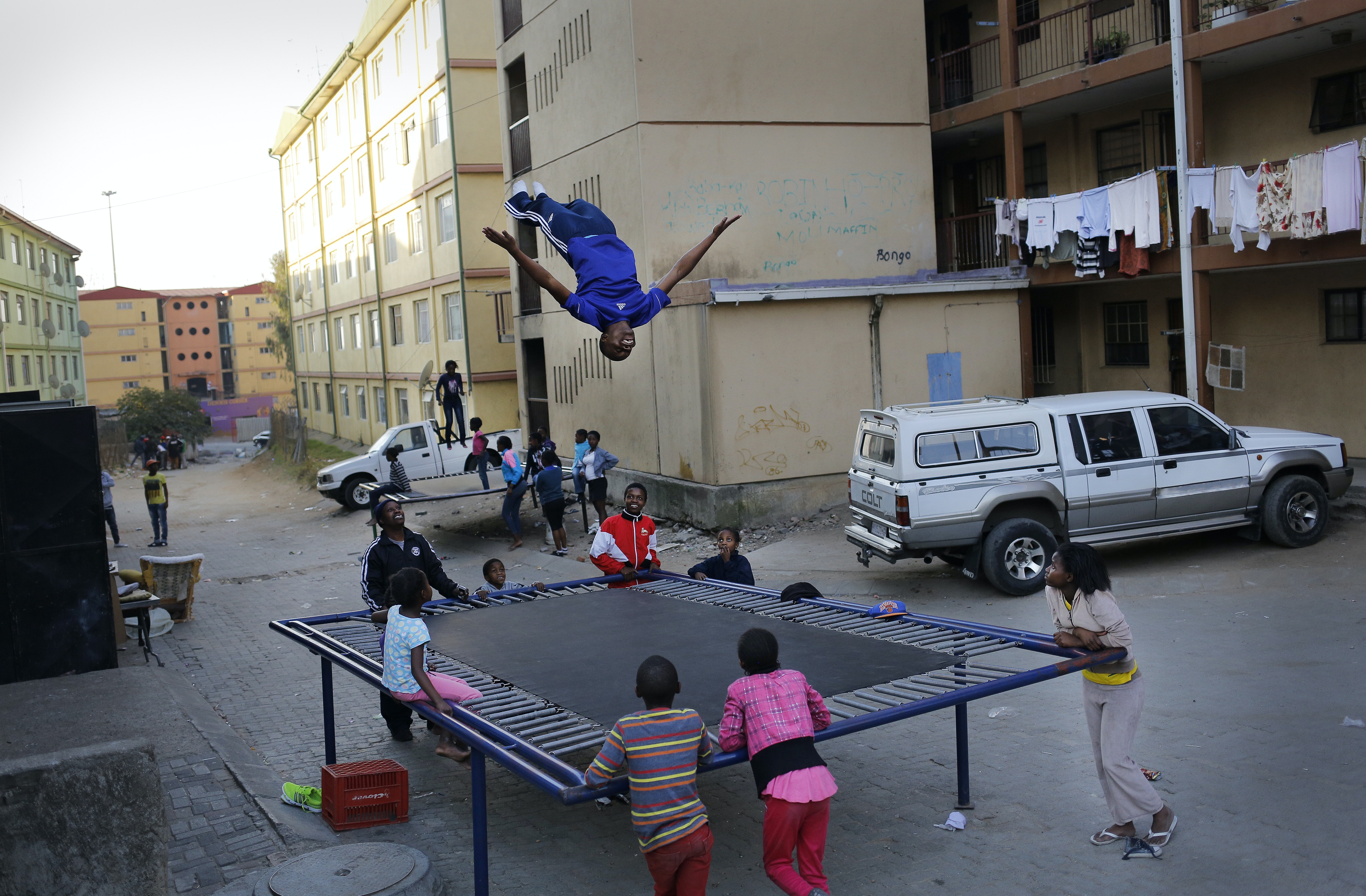
South Africans in impoverished communities are exposed to a greater risk of falling victim to violence. Children are not spared. Research shows that preventing harmful environments and situations reduces the burden of violence and injury to children. Parents and caregivers are central to this. Improving their ability to prevent injury to children is key.
Early intervention is also important in promoting the well-being of children, families and communities. Initiatives that promote child safety must be used effectively to promote healthy and safe communities.
The problem is that people in under-resourced communities often don’t participate in safety promotion interventions. In our research we set out to find out why. We interviewed 11 people in an under-resourced community near Cape Town in South Africa. All had lived in the area for a long time. They all lived either in low-cost government housing or backyard dwellings.
We examined why people either participated in child safety promotion interventions in their communities, or not. The initiatives focused on traffic safety and burns awareness.
Read more: Why South Africa’s children are vulnerable to violence and injuries
Our research should help those driving the initiatives understand what may enable or inhibit participation. This is important because research suggests that the active involvement of communities in decision-making about interventions that affect them makes a big difference. It can contribute to the long-term ownership, effectiveness and sustainability of the initiatives.
What we found
This exploratory study was part of ongoing research in Strand, a historically under-resourced community in the Western Cape. The next phase of the study involved focus group discussions with various stakeholders, community members and service providers in the community. The aim is to develop a standardised measuring instrument. This instrument will measure participation prior to implementation.
As part of the initial phase of the study, the interviewees were asked questions that included:
-
how they felt about the safety and peace interventions in their community,
-
why they participated or not,
-
would they participate or not, and
-
why they thought people participated – or not.
Findings show that barriers outweigh the enablers.
We found that people’s participation in child safety initiatives is influenced by personal, relational and environmental factors.
At a personal level, we found people expressing a sense of hopelessness and their experiences with their daily struggles.
Participants in the study ranked financial survival number one. Having a chance to earn money to buy food was more important than attending a community safety intervention. This results in a Catch-22 situation: people have to work to survive. Yet, without their participation in child safety initiatives, they can’t help protect them from violence and injury.
Scepticism about the safety interventions also played a role. Traffic safety and burns awareness are examples.
Read more: More children in Zimbabwe are working to survive: what’s needed
We also found that community connectedness, care and concern for children also played an important role in people’s willingness to participate.
What next
Our findings showed that when people felt hopeless due to daily struggles, they were less likely to support community interventions around children’s safety.
People in poor settings don’t necessarily have the luxury of choice. They are faced with competing priorities daily. Physical and economic survival are top priorities.
Our findings are consistent with those of other studies that emphasise the interaction between social, contextual and personal factors that affect people and their communities. These personal factors include inadequate coping mechanisms. This leads to a negative and pessimistic sense of community that further hinders participation.
The findings further highlighted the coexistence of inhibitors and enablers of participation in interventions. For example, community cohesion was considered an important enabler. Its absence resulted in people not wanting to take part.
People may not join child safety initiatives even if they have the necessary skills and knowledge to make a valuable contribution, effecting their success.
Conversely, an increase in community cohesion may result in people being more inclined to participate. Fostering such cohesion and care for others creates avenues for positive relationships and community bonds, increasing chances for participation.
Read more: Why children are prime targets of armed groups in northern Nigeria
Interestingly, non of the respondents raised personal safety as an inhibitor or enabler to participation. Yet, research indicates that the threat to safety, especially among the elderly and women, is generally regarded as a significant inhibitor to participation.
Making a difference
The factors that enable and inhibit participation should be considered during the planning stage of interventions by researchers before they are implemented in communities.
Priority needs to be given to evidence-based prevention initiatives, improved human resources and administrative capacity for positive outcomes. There is a lack of knowledge of available evidence-based protocols. So, organisations implement interventions even if they are not evidence-based.
Secondly, successful implementation of child safety interventions requires efforts to foster community participation. Efforts to maximise the use of child safety promotion community initiatives are critical to the promotion of health and safety in poor communities.
Read more: Children are going hungry, and their futures are on the line. Evidence from Ghana
Individuals are members of families. Families make up a community. Communities are the building blocks of a broader society. The impact of not participating thus extends beyond the individual to families, the community, and broader society.
Finally, when communities are faced with poverty, they are at greater risk of social exclusion and marginalisation.


