Seven African countries show how the battle against malnutrition can be won:
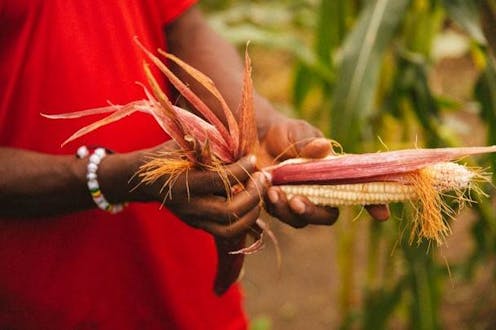
A number of African countries are taking bold action to tackle malnutrition. They have successfully implemented a range of actions that have started to improve nutrition for all.
Good nutrition contributes to cognitive development, better opportunities for children to realise their potential, and higher earnings later in life. This in turn supports macro-economic and societal growth. Poor nutrition, on the other hand, impairs productivity and acts as an impediment to national growth.
In the past, Africa and its development partners have focused almost exclusively on tackling undernutrition caused by diets that are low in calories. But there is now broad consensus that attention to micronutrient deficiencies and obesity need to be a priority too.
The recently released Malabo Montpellier Panel’s report, on how Africa can build a future free from hunger and malnutrition, presents a seven-country case study. It sets out how Senegal, Ghana, Rwanda, Angola, Cameroon, Ethiopia and Togo significantly reduced undernourishment, child wasting, stunting and mortality over the past 16 years.
The report explains the institutional arrangements, programme interventions and implementation plans that enabled countries to reduce child undernutrition significantly. The findings show that the choices made at both the macro (policy) level as well as at the household level had a direct bearing on nutrition outcomes. It offers a roadmap of 12 policy priorities that African governments can follow to deliver on the nutrition targets set out in the Sustainable Development Goals.
The report is a product of the 17-member panel of experts that identified areas in which African countries are making progress on the ground. The panel also tried to understand what works, why and how. The report offers practical, evidence-based advice on policies, programmes and interventions.
Not just a health issue
Some of the countries discussed in the report initially had high rates of malnutrition. But they have made remarkable progress in child nutrition.
One contributory factor is that countries started implementing multi-sectoral programmes rather than just relying on the health sector. In some cases this has involved creating units specially for the purpose of reducing malnutrition levels.
Take Senegal. A unit called the Cellule de Lutte contre la Malnutrition was set up in the prime minister’s office. It provides technical help in defining and implementing national nutrition policy.
Similarly in Rwanda, the national nutrition policy is led by an inter-ministerial committee based in the prime minister’s office. Other ministries are also starting to assume greater responsibility, particularly agriculture, often in cooperation with the private sector.
In Cameroon a National Council on Food and Nutrition] was set up eight years ago. It’s directly linked to the office of the president and has implemented a food security and nutrition policy.
At about the same time Angola established an interdepartmental committee for food security. This is made up of 19 ministries and chaired by the secretary general of the prime minister’s office. The aim has been to create a network of “parliamentarians for the fight against malnutrition.”
These inter-disciplinary approaches differed across countries. But they all also included tried and tested interventions. These included early detection and treatment of at risk children, promotion of breastfeeding, vitamin supplementation, fortification of foods, home production, school feeding programs and social grants. They also almost all exploited new developments in technology such as sharing nutrition knowledge through cell phones.
But more needs to be done. Concerted action is needed on a wide range of policies and practices, including institutional reforms, strengthening national agricultural and nutrition research and better data.
Key policy lessons
Some of the key lessons from the seven case study countries included:
-
Adopting a comprehensive policy on nutrition as a top priority and integrating these elements across sectors.
-
Designing programs that capture the synergies between agriculture, water, health and sanitation.
-
Establishing a high-level coordination system for visibility and accountability.
-
Creating a broad and inclusive partnership with stakeholders form the public, private and civil society sectors.
-
Strengthening food-system regulation and controls to increase the supply of safe and nutritious food while investing in the distribution of affordable and healthy foods for the poor.
-
Investing in crisis prevention and emergency intervention capacity to address the threat of conflict. This is an ongoing concern in Africa that adds an element of fragility and swells the number of people relying on humanitarian aid. This in turn detracts countries from development focused investment.
-
Building resilience by investing in programmes that protect the nutritional status of vulnerable populations during extreme weather events.
The case studies show that African countries that go beyond simply increasing the amount of food produced to making actual improvements in the quality and provision of nutritious foods can make a significant contribution to improving nutrition levels. This is particularly true if vulnerable groups are targeted. And if a range of sectors are involved.

Sheryl L Hendriks receives funding from the South African National Research Foundation, the Water Research Foundation and USAID.
Katrin Glatzel works for the International Food Policy Research Institute and receives funding from the African Development Bank, the UK Department for International Development and the German Federal Ministry Economic Cooperation and Development.
Ousmane Badiane receives funding from the African Development Bank, the UK Department for International Development and the German Federal Ministry Economic Cooperation and Development.
Source: The Conversation – Articles (AFRICA)
Read more on The Conversation.
Join the fun: Add Your event | Submit a Press Release | Add your listing.


