Adolescent girls and young women in sub-Saharan Africa have a very high risk of acquiring HIV. The latest global AIDS update report suggests that a staggering six out of seven new infections among 15-19-year-olds in sub-Saharan Africa are among girls.
Entrenched gender inequalities make young women and girls more vulnerable to coercive behaviour that leaves them unable to negotiate safe sex.
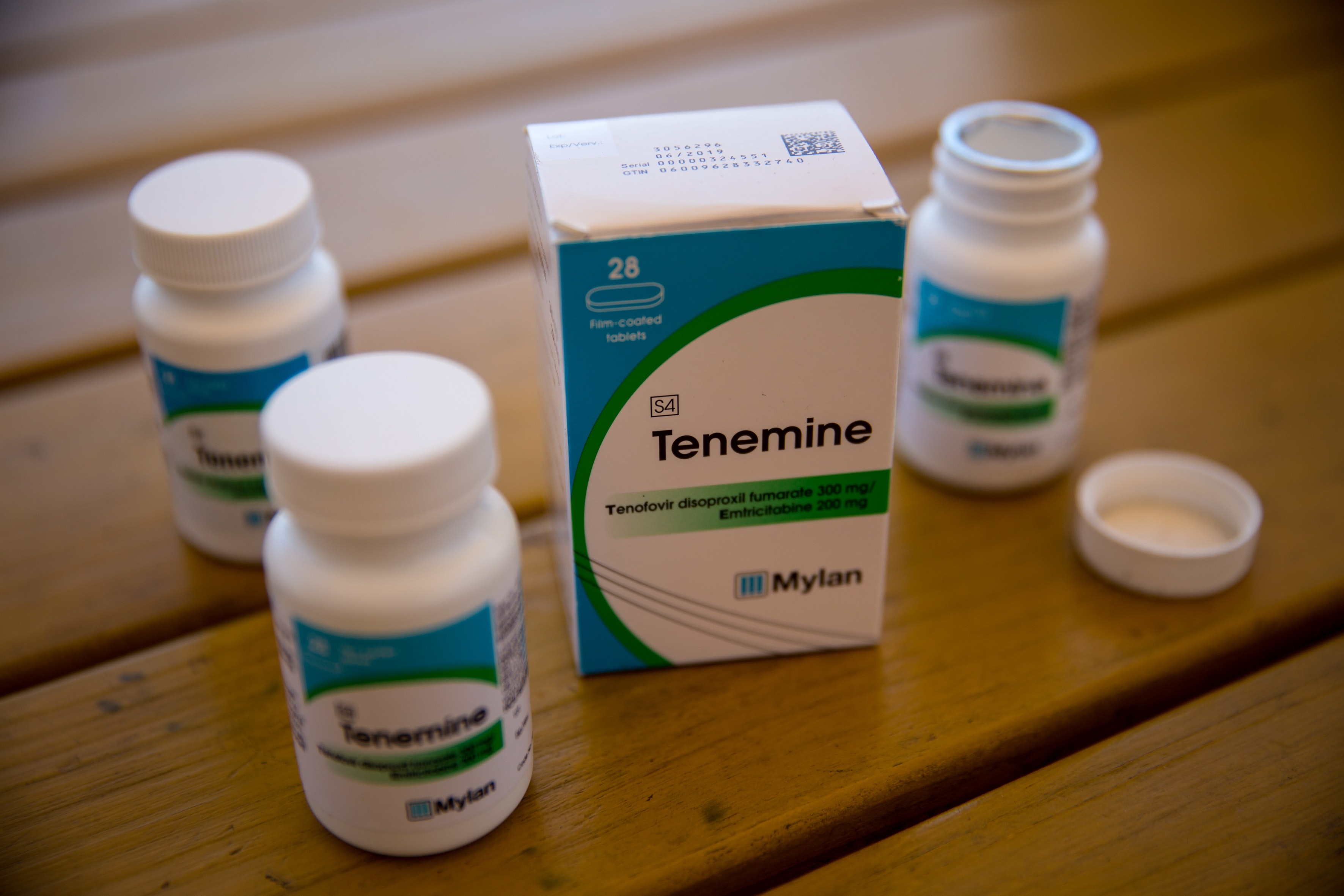
But there is a method for adolescent girls and young women to protect themselves from HIV without having to convince a partner to use a condom at the time of sex. Pre-exposure prophylaxis, or PrEP, is a pill containing antiretroviral drugs that can help prevent HIV. If taken consistently, PrEP can reduce the risk of sexually transmitted HIV infection by about 99%.
HIV prevention medication has been part of HIV prevention efforts since around 2014. Globally, PrEP has contributed to declines in new HIV infections among high-risk populations. But this does not seem to be the case for adolescent girls and young women in sub-Saharan Africa.
In a recent study, my colleagues and I at the Manicaland Centre for Public Health Research interviewed healthcare providers in eastern Zimbabwe to understand the low uptake of PrEP and what they would recommend to improve it.
Insights from healthcare providers
We asked 12 healthcare providers about their experiences of making HIV prevention services available to young people. We asked them specifically about PrEP. We also invited the healthcare providers to share their top three recommendations for improving access to PrEP for young women.
This is the first study of its kind to focus on the perspectives of healthcare providers in southern Africa. Considering their perspectives is particularly important. Healthcare providers are not only at the front-line in the delivery of PrEP. They often live in the same community and understand the socio-cultural contexts of their clients. This combination of experiences is valuable and must inform future programming.
Their recommendations point to six actions.
-
Run PrEP awareness campaigns, specifically at schools, giving adolescent girls and young women information about PrEP and how to access it. The campaigns would also have to debunk myths about PrEP only being for women engaged in sex work – a common myth in the study area – as well as fears about potential side effects. Campaigns targeting adolescent girls and young women must be accompanied by community campaigns. These should encourage parents to talk to their children about HIV prevention methods, including PrEP, and to shift community perceptions about PrEP as a pill that encourages promiscuity.
-
Involve adolescent girls and young women in the rollout of PrEP. Young women must design, feature in and deliver the awareness campaigns. Young women need role models of peers on PrEP.
-
Eliminate costs associated with PrEP uptake. PrEP is freely accessible in many sub-Saharan African countries. But getting to the clinic, taking time off work to go to the clinic for refills and monitoring, and getting registered at the clinic may come at a cost. In resource poor settings, these small associated costs can be prohibitive and need to be eliminated, either through reimbursements or through an incentive-based payment system.
-
Strengthen the human resource capacity of health services to deliver PrEP. PrEP is still relatively new in many sub-Saharan African settings, including Zimbabwe. Although PrEP has been available in Zimbabwe since 2018, it has been limited to certain population groups through demonstration projects. PrEP services to adolescent girls and young women are still limited and in their infancy. A young woman looking for PrEP is therefore unlikely to find specialised and dedicated staff who is ready and available to assist. Investments are needed to make available a cadre of trained prescribers who can deliver PrEP to young women in a professional and timely manner.
-
Make PrEP services youth and female friendly. Strong gender norms subject many adolescent girls and young women in sub-Saharan Africa to different forms of social control around their sexuality. The healthcare providers recognised their role in this. Young women fear going to the clinic, worried they might be seen by community members. They also fear the attitudes and indiscretions of healthcare providers, who may disapprove of a young girl’s use of PrEP, and may tell parents that their girl is sexually active. Healthcare workers fully recognise these challenges and call for the delivery of PrEP through sexual and reproductive health hubs that are discreet, youth friendly, and staffed by young and sex-positive healthcare workers. They also recognise that such services must be open outside school hours if they are to reach adolescent girls.
-
Improve the PrEP pill and its packaging. The pill is big and some people find it uncomfortable to swallow. Some may also experience significant side effects. Its packaging challenges secret PrEP use.
Looking ahead
A recent report by the Zimbabwe Ministry of Health and Child Care found young women to have an HIV incidence more than nine times higher than that of their male peers. HIV prevention service planners looking to increase access and uptake of PrEP among adolescent girls and young women in Zimbabwe and elsewhere in the region must take heed of these findings.
Many more actions will of course be needed for the effective rollout of PrEP for adolescent girls and young women in sub-Saharan Africa.
However, the six actions emerging from our interviews with healthcare workers in Zimbabwe highlight solutions to some key challenges.


