Malaria is an old disease. Yet it continues to have devastating impacts on poor people, especially in Africa. To fight the disease, countries primarily use insecticide-treated bed nets to control the mosquitoes that transmit malaria parasites, or medicines to treat malaria patients.
These measures have been highly effective over the years. But now they are threatened by mosquitoes resisting the insecticides, and parasites resisting the drug treatments.
Malaria patients are currently treated using artemisinin combination therapy (ACT). However, patients need timely and accurate diagnosis. This helps to ensure effective treatment and prevents wastage of expensive medicines.
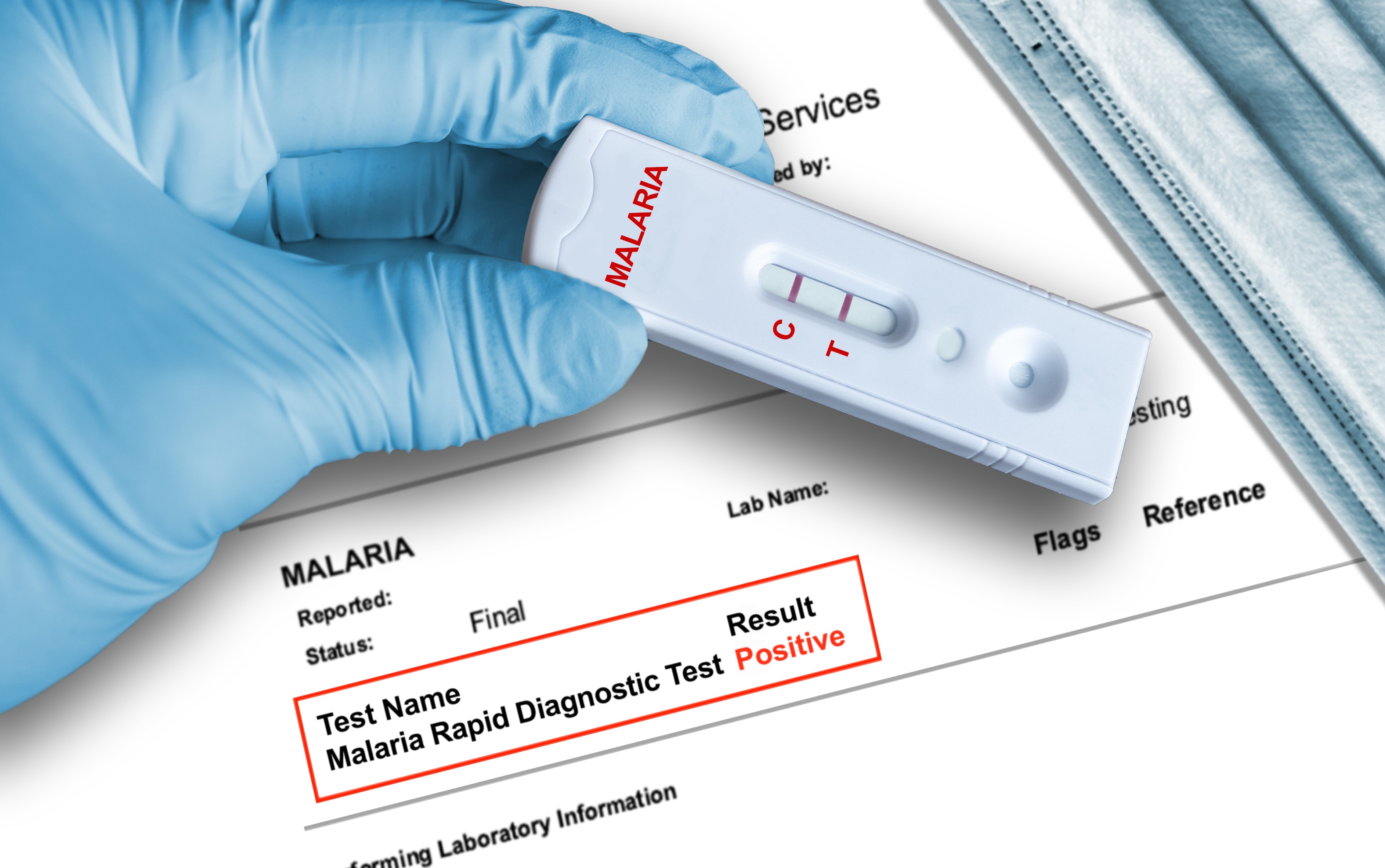
For this purpose, the World Health Organization (WHO) currently recommends either the use of microscopes by trained technicians, or rapid diagnostic tests.
Microscopy has been practised for more than a century. It’s generally very reliable for detecting and identifying specific malaria parasites. But it requires highly skilled experts, reliable equipment, and stable electricity as well as high-quality reagents. Providing these can be a challenge, especially in rural areas.
Thus in 2010, WHO recommended that malaria-endemic countries should introduce rapid diagnostic tests in all healthcare facilities as the main diagnostic platform. This strategy has significantly enhanced malaria management by guiding appropriate medication.
A more recent concern, however, is that parasites are becoming resistant to the methods used for malaria diagnosis.
Current rapid diagnostic tests detect a specific parasite protein (HRP2) in the patient’s blood. But evidence shows that malaria parasites in some locations have changed their genetic make-up so that they no longer produce this protein. This results in diagnostic resistance. Rapid diagnostic tests can’t detect these changed parasites even in patients who are severely ill with malaria.
This presents a major public health threat to malaria-endemic countries as well as the ongoing global elimination efforts. There are steps that can be taken to avoid a worst case scenario. These are: improving surveillance, responding quickly to diagnostic resistance, finding alternative diagnostic methods, and global and national cooperation.
Status of diagnostic resistance
Malaria parasites lacking the HRP2 protein have been detected globally. In countries in the Horn of Africa, notably Eritrea, the rapid diagnostic tests based on that protein missed 60%-80% of infections in 2016. Switching to a different test for two years resulted in a remarkable reduction to less than 42%. In Ethiopia, undetectable parasites now make up about 10% of all malaria infections.
The new alternative tests are expensive, not readily available and are often less sensitive.
Read more: The warning lights are on for malaria medicines in Africa
Other African countries have also reported the presence of diagnostic resistance. The levels are still below the WHO thresholds required for changing the rapid diagnostic tests. This is good news for now. But changes can occur rapidly because undetectable parasites generally remain untreated and can continue spreading in communities. In Tanzania undetectable parasites have been reported sporadically.
Preventing a worse problem
There are four ways to deal with diagnostic resistance before it gets worse.
First, intensified surveillance is highly recommended. All countries should use new molecular methods recommended by WHO to map the existence of parasites that don’t produce HRP2 protein. Surveillance will enable health authorities to act on diagnostic resistance before it reaches unmanageable levels.
The WHO is closely monitoring the status of diagnostic resistance globally. It has put forward guidelines on how and when countries need to investigate the incidents. Experts and reference laboratories with technical capacity for analysing the parasites have also been identified.
Second, the national malaria control programmes in all countries should monitor the quality and performance of rapid diagnostic tests. If there are any suspicious reports or complaints, they should act immediately. Inability of tests to detect malaria infections results in untreated patients who can further spread the parasites.
Third, where parasites with diagnostic resistance are known to be circulating, governments should provide management guidelines. Alternative diagnostic methods should be made available. These could be microscopy or another kind of rapid diagnostic test. Service providers should be made aware of the problem and what they can do about it. This will ensure suspected malaria patients with negative results are investigated and managed properly. The patients should be re-tested and reports should be submitted to local health authorities to ensure adequate monitoring of the situation.
Finally, malaria programmes, research institutions and experts must work together to address this issue. It’s especially urgent now when most countries are transitioning from the era of control to elimination. Scientists must look for new ways of detecting malaria parasites so that there are other options when the current tests are no longer useful. New methods and efforts to eliminate malaria by targeting mosquitoes and effectively treating patients to prevent onward transmission must be strengthened and scaled-up by all countries. The WHO and global community should support malaria-affected countries to strengthen their capacity to tackle this challenge.
Catherine Bakari, a PhD student based at the National Institute for Medical Research (NIMR) in Tanzania, contributed to this article.


