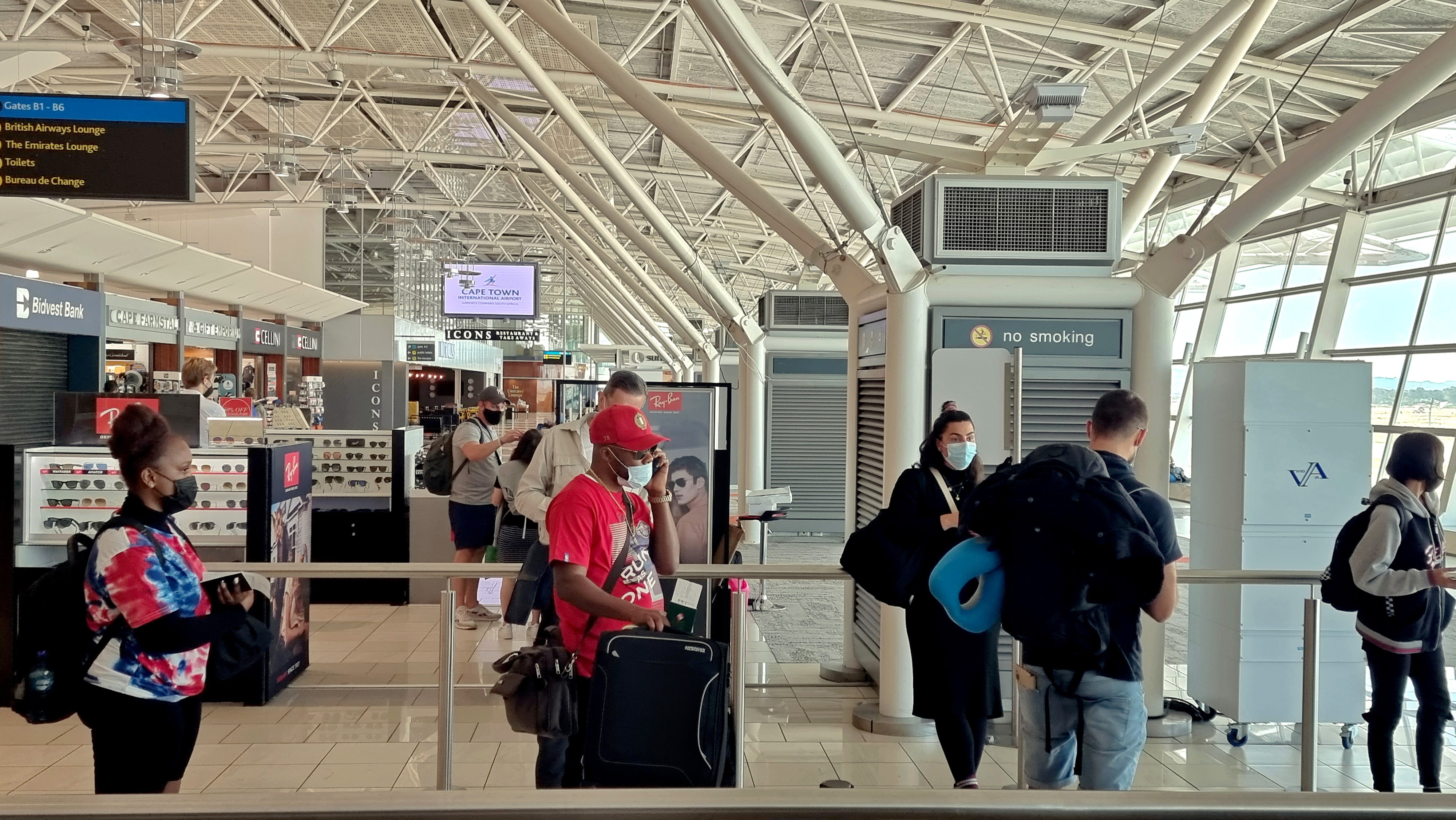
In early April South Africa ended most of the mandatory measures it put in place to curb the spread of SARS-CoV-2. The country terminated its “state of disaster” and moved to a transitional phase. For 30 days certain measures will remain in place. These include wearing face masks in indoor public spaces, restrictions on gatherings as well as proof of vaccination or a negative PCR test for people travelling to the country. To find out more about the implication of this decision and the reasoning behind it, The Conversation Africa’s Ina Skosana spoke to Harsha Somaroo, who has been supporting COVID-19 surveillance in South Africa’s economic hub, Gauteng province.
Has South Africa turned the COVID corner?
I believe so. South Africa has navigated the unpredictable trajectory of the COVID-19 pandemic for over two years now. The country has reached a point of understanding which COVID-19 preventive measures work. In addition, effective treatment approaches are accessible, and the development and availability of COVID-19 vaccines has been a game changer.
A decision to lift most restrictions was also informed by the fact that there has been a discernible decoupling of the COVID-19 case numbers from severe cases and deaths. In other words, the number of severe cases and deaths is low despite high numbers of new cases. This suggests that there are high levels of population protection against severe illness and death from COVID-19, due to a combination of naturally-acquired and vaccine-acquired immunity.
Read more: New COVID data: South Africa has arrived at the recovery stage of the pandemic
At this point it’s pragmatic to integrate COVID-19 management into routine practices and adopt risk-appropriate approaches based on individual vulnerabilities and the prevailing SARS-CoV-2 transmission risk and dynamics in different settings.
Read more: COVID: a two-year journey through lockdowns, lives lost and life-saving research
The transitional measures announced by President Cyril Ramaphosa attempt to reduce risk factors for SARS-CoV-2 transmission. They:
-
mandate face masks in indoor public spaces
-
recommend restrictions on public gatherings
-
monitor COVID-19 vaccination and test status at events and of travellers
-
maintain the social relief of distress grant.
A number of factors will help people manage their COVID-19 risks. These include being up to date with COVID-19 vaccination schedules and adherence to related preventive measures. Sustained communication about these measures remains important, especially for the most vulnerable groups. These continue to be: those over the age of 50, those who have a comorbid illness, those attending crowded environments and frontline healthcare workers.
What has informed the government’s decision?
In March 2020 the president declared a national state of disaster, and subsequently a national lockdown. This was in response to the uncertainty around an unprecedented global COVID-19 pandemic as well as the anticipated impact of transmission on the country’s health and the healthcare system. The aim was to trigger rapid responses for social, economic and medical preparedness.
The state of disaster allowed the government to put in place public health measures nationally to slow viral transmission. It also allowed for access to disaster funds that provided essential economic support. This included boosting medical preparation and hospital capacity, and economic support for workers and businesses during the lockdown period.
Over the following months the government adopted an incremental approach to adjusting lockdown restrictions. The country has been at the lowest level of lockdown for the past six months, following a decline in COVID-19 related morbidity and mortality numbers and sufficient health system capacity. This was the case even during the high COVID-19 transmission rates observed with the omicron variant.
The provisions of the Disaster Management Act are no longer warranted.
What are the risks?
A risk is that people associate the end of the disaster management regulations with the end of SARS-CoV-2 transmission and COVID-19 health risks. This might, in turn, mean that they take less care in managing their individual risks of acquiring COVID-19 – and its potential effects.
Thus public health messaging has a critical role to play in reinforcing the transmission and outcome risks. Hopefully keeping the transition measures in place for 30 days will empower people and communities to manage the continued risk.
Another risk is that we might see the emergence of more transmissible and virulent SARS-CoV-2 variants. But ongoing surveillance will allow for early detection and prompt management of potential resurgences.
Read more: The hunt for coronavirus variants: how the new one was found and what we know so far
Even if there is a resurgence, the country is unlikely to have to rely on the Disaster Management Act again. This is because revisions are being made to the National Health Act to allow for emergency interventions to be implemented if they’re needed.
Has South Africa managed the pandemic well?
South Africa – and the global community – was manoeuvring through uncharted territory with the COVID-19 pandemic. Under the circumstances the country did well.
The early declaration of a national state of disaster allowed for a rapid response that wasn’t possible under existing legislation at the time. This helped slow down rapid viral transmission and gave the health system time to prepare. It also gave the government time to try and balance the risks to health and the economy.
The government also set up a national command council. This included an expert advisory committee, to monitor the rapidly evolving pandemic and advise the government on the best evidence-based approaches as these emerged.
Another major factor was that incredible social solidarity emerged at the outset. This helped the country navigate the trajectory and uncertainty of COVID-19 waves.
However, constraints that challenged routine healthcare management – internal and external to the health system – were also magnified during management of the pandemic. This provides further motivation to strengthen the existing governance, operations, and performance of the health system, and to improve collaboration between sectors that support public health.
If we get this right the country will be able to better manage its response to future pandemics.


