People have been using plants in skincare for thousands of years, for cleansing, perfuming, beautifying and healing. Today, plants contribute significantly to the cosmetic (beauty) and cosmeceutical (medicinal) industry, which is worth billions of dollars.
Though orthodox medicine can treat many skin disorders, traditional herbal medicines and cosmetics remain popular especially in rural areas where they are part of people’s culture.
In South Africa, it is estimated that about 27 million people still rely partly on traditional medicine. And more than 3,000 indigenous plants have been reported as having traditional medicinal uses. More than 90 indigenous South African plants have been evaluated for their commercialisation potential. Of these traditionally used plants, 32% are traded in “muthi” (traditional medicine) markets and contribute an estimated R2.9 billion to the South African economy annually.
Herbal cosmetics remain part of tradition and a modern trend in beauty and fashion. Many people prefer natural products for their personal care because they have few side-effects.
However, there is limited information available about indigenous knowledge and practices in natural cosmetics and cosmeceuticals in South Africa. Documenting the plants used for these purposes could raise public awareness and encourage innovation to drive the potential market. It may also encourage more research on the potentials for new plant-based products.
We therefore conducted a study in the Vhembe district of Limpopo province in South Africa. This is an area that is rich in biodiversity and plants with traditional uses. We interviewed 79 women from 16 communities to document the medicinal uses of plants. We also wanted to know how the plants contributed to the socioeconomic lives of the rural women. Our research team comprised botanists, agricultural economists and indigenous knowledge systems experts.
Commonly used plants
The ethnobotanical information was collected from February to June 2018. It was based on face-to-face interviews using questionnaires. We asked about the names of local plants used and recorded how they were prepared. We spoke to women who had knowledge of medicinal plants and photographed the plants they mentioned. We later deposited specimens in the herbarium of the South African National Biodiversity Institute and identified the botanical names of the collected plants.
We discovered that the use of plant-based preparations was popular in the Vhembe district. A total of 49 plants belonging to 32 families formed part of the existing recipes for cosmetics and cosmeceuticals.
More than 50% of the plants were recorded for the first time as having these uses. For instance, the leaves of Dicerocaryum zanguebaricum are applied topically as a substitute for soap, while in other studies they have been noted as antibacterial, anti-inflammatory and used for ethno-veterinary medicines.
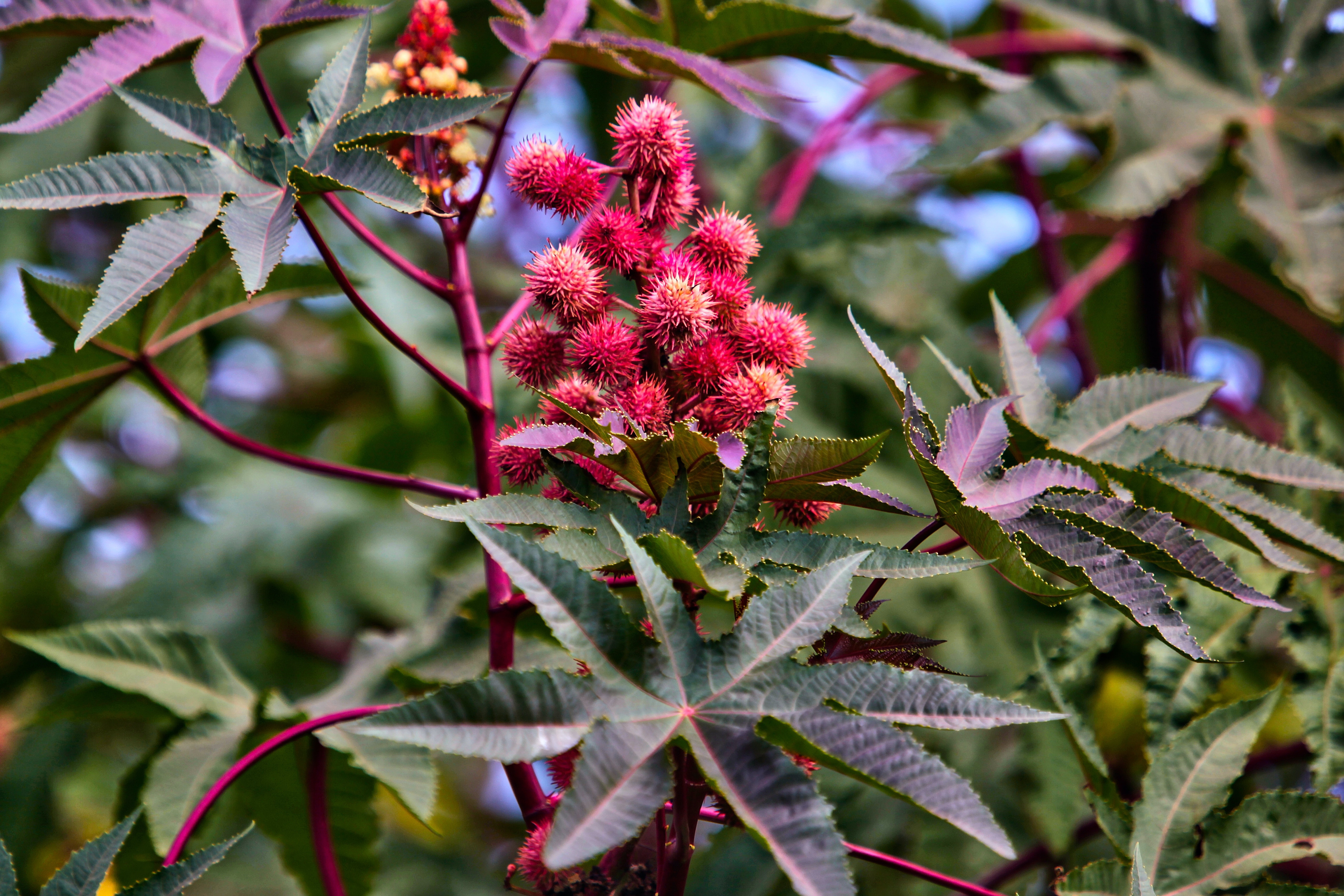
Devil’s thorn, soap bush and castor oil plant were the most commonly cited plants. Castor oil plant, soap bush and devil’s thorn are sought after for their ability to stop bleeding and speed up wound healing. They are also used to treat burns and alleviate other skin conditions. Several findings are available for these plants, an indication of their potential as natural-based cosmetics and cosmeceuticals.
The Vhembe women use a variety of equipment and implements. The main tools included the panga and the mortar and pestle – an ancient technology which is still effective for maceration and preparing poultices. No machines were used to produce the herbal extracts. Most of the tools used were homemade; others were purchased from hardware stores.
Commercial prospects
Another analysis showed that for every R1.00 that rural women invested in making these products, they could realise an additional R0.28 return.
These findings suggest that the enterprise could improve people’s economic welfare in rural communities. Its economic potential is worth studying in more detail.
Based on our study, plant-based cosmetics and cosmeceuticals are a potentially lucrative business if there is investment in local infrastructure and industrial development in local communities.
Low-cost and value-added products could be part of the development of the bio-economy. However, there is a need for more research and innovation to drive product development for local markets.
Government and the private sector should share responsibility in developing local communities by assisting rural women to access credit or loan facilities for manufacturing.
South Africa has several laws and regulations on bio-prospecting. These are aimed at protecting traditional knowledge, biological and genetic resources such as medicinal plants. These regulations are aligned to those of the Convention of Biodiversity and Nagoya Protocol on Access and Benefit-sharing. Both are aimed at sustainable use of natural resources and protecting biological diversity, traditional knowledge and intellectual property rights. These frameworks should be fully implemented at local level for equitable benefit sharing, sustainable use of biological resources and reinforcement of investments in the rural economy in South Africa.


