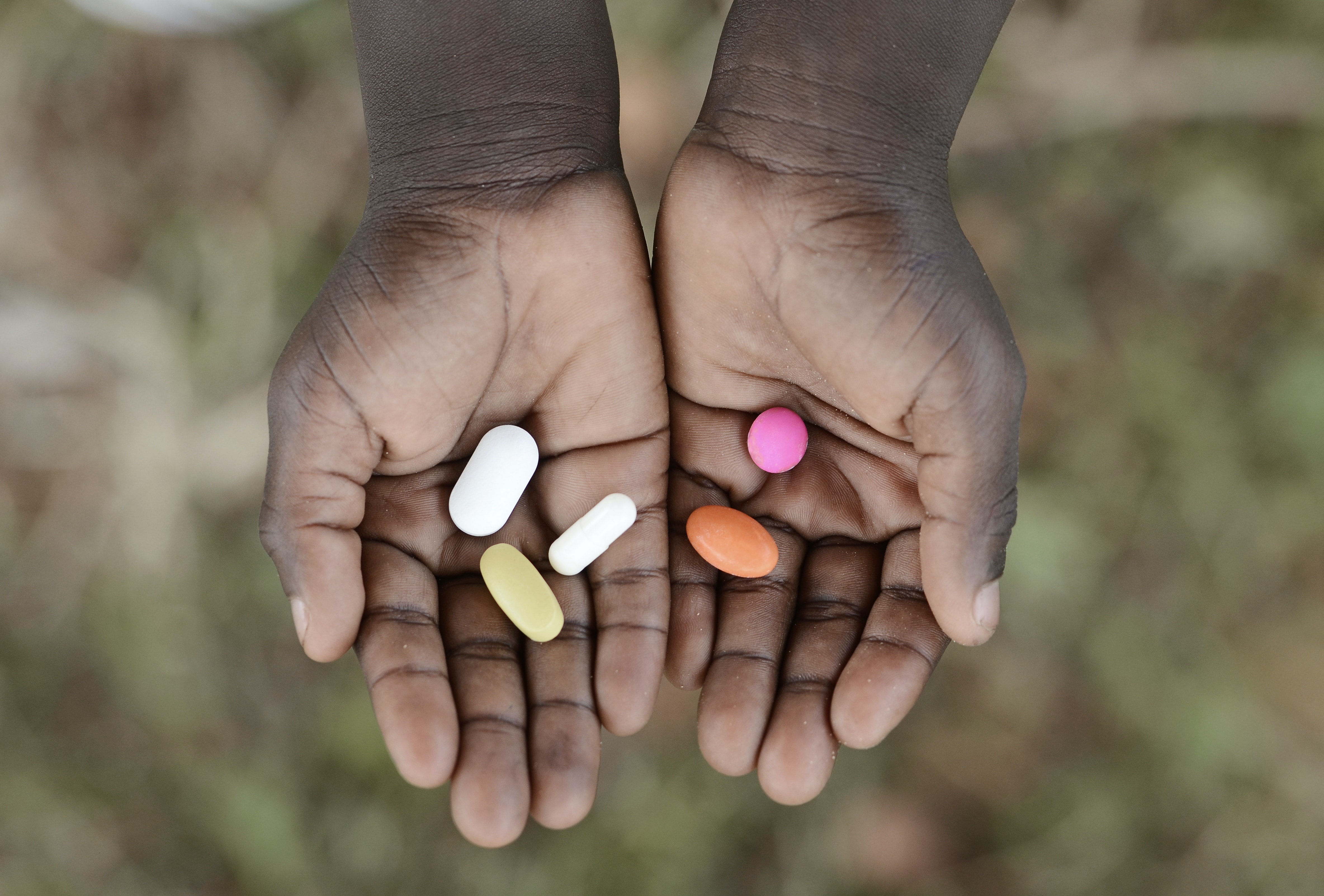
Substandard and counterfeit medicines can be extremely dangerous. They are fraudulently manufactured to deceive buyers about the product’s quality, authenticity and effectiveness. These medicines don’t meet quality and regulatory standards.
Such medicines are usually manufactured by highly organised criminal groups that are often involved in cross-border trafficking. The products can be bought online, in tuck shops or at street markets. Sometimes they find their way into legitimate supply chains, cropping up in registered pharmacies and hospitals.
Commonly referred to as substandard and falsified medicines, they take many forms. These include anything from pills for erectile dysfunction and weight loss to antidepressants, anabolic steroids, antibiotics and pain killers.
These medicines are accessible and affordable. That makes them appealing to consumers – but they can do great harm. Some products may contain the wrong ingredients, others may have no or much lower concentrations of active ingredients. They may also contain toxic substances used as tablet fillers, like rat poison, boric acid, chalk or anti-freeze.
Some researchers suggest that as much as 42% of medicine distributed in African countries is counterfeit. The World Health Organisation estimates that there are over 1 million deaths annually due to substandard and counterfeit medicine. It’s also been reported that about 53% of anti-malarial drug resistance in Southeast Asia and sub-Saharan Africa may be linked to the use of substandard and falsified medicines.
There have been attempts to tackle the problem. The WHO, the United Nations Office on Drugs and Crime and Interpol have made joint efforts to create policies and implement strategies that member countries can adopt.
We set out to explore how South Africa is managing the problem of counterfeit and substandard medicines. The answer, unfortunately, is “not very well”. There are several reasons for this. Primarily, it’s due to the absence of a specific anti-counterfeit policy for medicines.
This situation must be urgently addressed. People need a constant supply of affordable, safe and efficacious medicine.
Gaps and concerns
South Africa’s pharmaceutical regulatory framework is known to be stringent. It is compatible with international standards and far stronger than those of other countries in sub-Saharan Africa. But this framework is not backed by a strong implementation strategy.
For instance, we identified the lack of specific pharmaceutical crime and anti-counterfeit policies and regulations as a major hindrance to effectively enforcing the law. This kind of legislation would do two things. First, it would deal with intellectual property issues to ensure people can’t copy medicines that are patented. Second, it would provide a clear guide on what areas need policing, which stakeholders are responsible and what action plan is required. This implementation strategy would ensure accountability, enhance collaboration and information sharing, and bolster monitoring and evaluation.
The Medicines and Related Substances Act 101 of 1965 and the Counterfeit Goods Act 37 of 1997 outline punishments for counterfeiting. These are a fine of between R5,000 (about US$326) and R10,000 or a prison sentence ranging from three to 10 years. These do not seem to be sufficient deterrents.
Political will lacking
There’s also a lack of resources and capacity to implement existing laws.
For instance, South Africa needs a pharmaceutical testing laboratory designated or owned by the national medicines regulator to test for ingredients in suspected substandard and falsified medicines. Such a lab could also randomly test medicinal products on the market.
An overburdened criminal justice system, weak penalties and short prison sentences make for poor prosecution rates.
Respondents in our study suggested that political will to use state resources for such cases is lacking because pharmaceutical crime is perceived as an intellectual property issue rather than one that focuses on public safety.
Another hurdle to effective prosecutions that respondents identified was a lack of regional coordination in the Southern African Development Community. Prosecutors we interviewed told us that most African criminal justice systems struggled with a lack of resources, transparency and regional collaboration. This, in turn, contributed to lack of regional cooperation in combating transnational crimes, including medicine counterfeiting.
There are various relevant government agencies and law enforcement bodies. But they don’t collaborate very well on the issue of counterfeit medicines. This has created gaps in the value chain. It makes it easier for counterfeit and substandard medicines to proliferate.
We identified a number of websites selling medicines without prescriptions. Most were remotely operated; for example, the domain was registered as coming from South Africa but the contact details showed other countries like Denmark and Switzerland. None of these websites had contact details for a responsible pharmacist.
This exposes another gap in legislation: the Medicines and Related Substances Act 101 of 1965 is the main piece of legislation that regulates the sale of medicines. But it needs to be amended and updated to address the sale of medicines online.
Going forward
The implications of not having a specific pharmaceutical crime and anti-counterfeit legal framework are far reaching. It impedes the government’s ability to prevent substandard and falsified medicines proliferation and ensure effective law enforcement once counterfeit products have been seized. The implementation of a national anti-counterfeit policy will enforce a legal mandate with objectives and responsibilities so that all relevant authorities can participate effectively.
Another important strategy is for regulators to engage the public through awareness campaigns and education, as seen elsewhere on the continent and internationally.
In other countries such as Ghana, Nigeria and the United Kingdom, social media platforms have been used to empower consumers to identify counterfeit products online. This, as well as the use of mobile authentication systems to check product
traceability, has greatly reduced counterfeiting.
There’s also room for collaboration between private companies and governments. One example is the partnership between the Center for Safe Internet Pharmacies, internet service providers such as Google, Yahoo and Microsoft, and the United States government to shut down illegal sites and support awareness efforts.


