South Africa has a food crisis. The food system – made up of all of the activities and actors involved in the production, processing, transportation, selling, consumption and disposal of food – produces starkly unequal access to nutritious foods.
As a result, many households in the country cannot afford a healthy diet, 27% of children under five are stunted, and the prevalence of diet-related diseases is rising rapidly.
The food system contributes to pollution and climate change through the use of agro-chemicals, fossil fuels for transport, processing and refrigeration, as well as unsustainable packaging. On top of this, over one-third of the food is wasted. These harms disproportionately affect poor people and women. Black-headed households are seven times more likely than white-headed households to have inadequate access to food.
This inequitable distribution of the benefits and harms of the food system is called food injustice. It is also a violation of the constitutional right to food.
To date, attempts to address the food crisis have had limited success. Measures such as emergency food parcels, soup kitchens and food garden projects do help to meet immediate needs, but they do not address the underlying causes of food injustice. The same is true of social grants, which are insufficient to tackle food insecurity.
I argue in my ongoing research that these structural challenges are rooted in colonialism and capitalism. I use the term “coloniality” to refer to the persistence of patterns of capitalist, racial and patriarchal power that continue to inform who controls the food system, and who has access to good food.
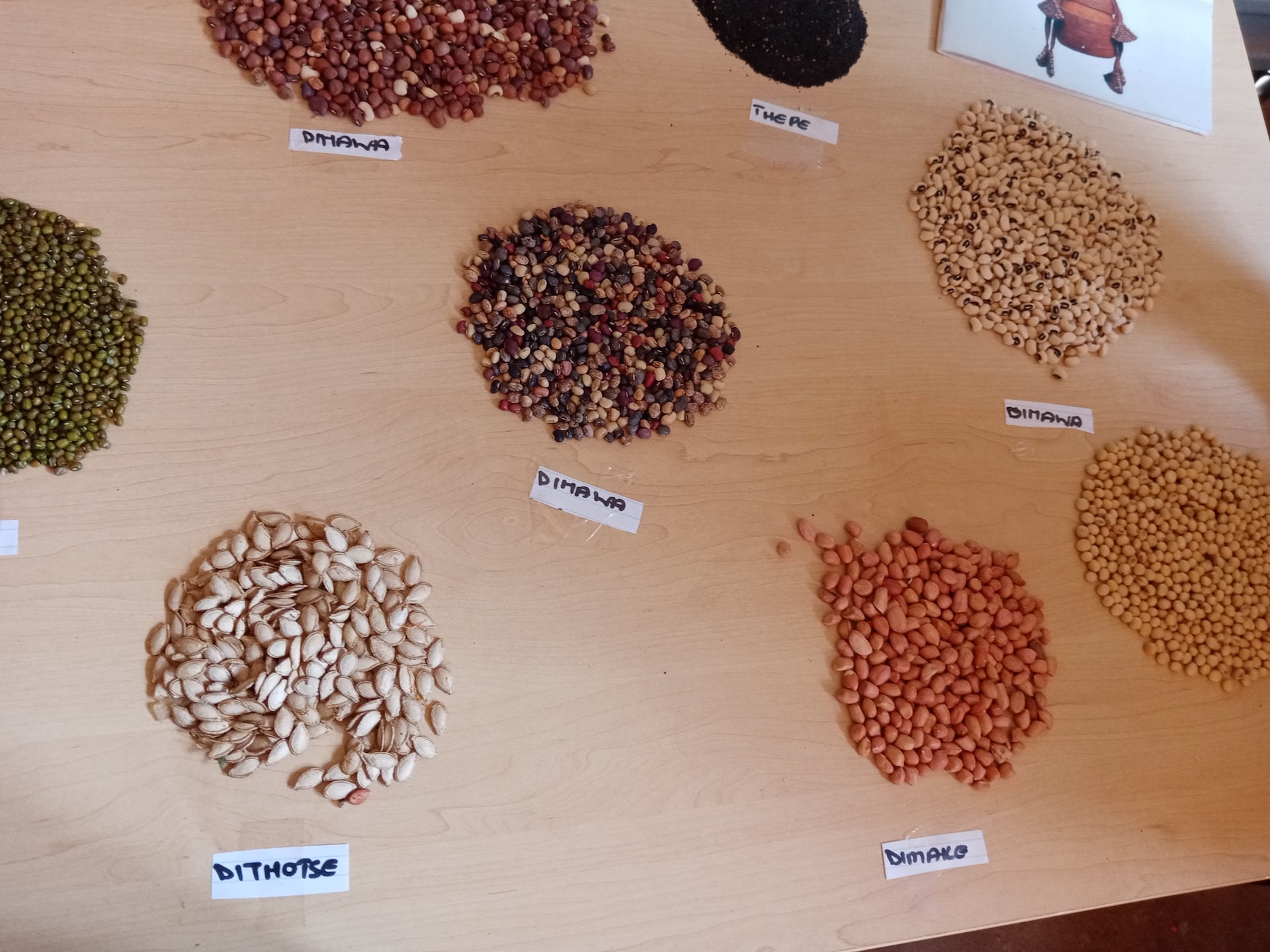
My research seeks to expand our knowledge of those colonial origins. Historical texts and archival materials, despite their Eurocentric bias, give clues about precolonial, indigenous food systems and how these were violently disrupted by colonialism. By speaking to elders who still know about traditional foodways, we can learn more about indigenous ingredients as well as traditional ways of gathering, producing, preparing and eating food. Most importantly, elders can help us reconnect with the worldview and values that underpinned indigenous food systems.
Colonialism, violence and dispossession
Food has been central to the colonial project in South Africa since the 1500s, when European ships carrying spices from Asia to Europe stopped at the Cape to replenish food and water. Once Jan van Riebeeck established the first European settlement on behalf of the Dutch East India Company at the Cape in 1652 and started a garden to provision the ships, the process of colonial conquest, forcible removal of indigenous people from their land and exploitation of their labour began.
Both the Dutch and the British seized vast swathes of land, often granting it to European farmers and then charging them with defending it against the erstwhile owners.
Seizure of land from the indigenous Khoi and San people was justified on the basis that they failed to “properly use” the land by cultivating it.
Colonialism brought with it large-scale, labour-intensive agriculture for domestic markets and export to Europe and its other colonies. Colonists coerced locals into working on European farms. In the Eastern Cape, the British waged outright war against the Xhosa people, destroying their crops in a scorched earth policy designed to convert them into landless labourers.
Later, authorities imposed the hut or poll tax to force self-sufficient African farmers into the wage economy. Forced labour in the form of enslaved Africans and Asians, indentured labourers or captured indigenous people, including children, became common.
The spread of white-owned farms transformed the landscape, replacing indigenous plants to cultivate wheat, barley, maize, fruits, wine grapes, sugar and other commodities. Indigenous people lost access to areas where they had previously gathered wild foods, hunted, farmed and herded cattle. They also lost access to water.
There was a strong cultural component to colonialism’s disruption of traditional foodways. Europeans expressed contempt for indigenous foods and eating habits. The missionaries perpetuated this in their churches and schools, imposing European crops, farming styles and ways of eating as part of their “civilizing” work. This disdain for indigenous foods has carried on into the present, with traditional foods seen as backwards or poverty foods.
Decolonising food systems
More than 25 years into democracy, South Africa’s food system continues to reflect the highly unequal patterns of power and exploitation from the colonial era, in terms of both domestic inequalities and the country’s place in the global food system.
The skewed distribution of agricultural land reflects colonial and apartheid patterns of white ownership. Much of the best produce, including most of the fruit, is exported to Europe, while most South Africans cannot afford to meet their nutritional requirements. The food system is highly concentrated, with a few large national and international corporations dominating food processing and retail.
The call to decolonise food systems is growing globally. Indigenous peoples around the world want to shift the fundamental worldview that informs what foods are eaten, and how they are obtained and distributed.
This requires moving from a capitalist, profit-driven food system in which food is simply a commodity, to one based on values such as collectivity, reciprocity, kinship with the natural world, spirituality, and respect for the land.
In indigenous food systems, people often worked collectively – for example, in collective work parties known as ilima in isiZulu and isiXhosa or letsema in Setswana. They held rituals such as the first fruits ceremony to express their gratitude for the harvest. When collecting wild greens or fruits, they understood the importance of taking only what was needed and leaving enough behind for other people, animals, and for the survival of the plants.
When they hunted, they used every part of the animal and were shocked to see European colonists waste so much of it. People had ways of preserving and storing foods to ensure they would have enough during leaner times.
These kinds of values, and the practices based on them, would serve as a good basis from which to imagine and create a more just and sustainable food system, with all of the transformative changes that will entail.
(*): Different groups in different parts of what is now South Africa had very different diets, for cultural as well as ecological reasons. The foodways of the San or Khoi in the Western Cape, for instance, were very different from those of the Batswana to the north. It is not my intention to suggest that all indigenous food systems were the same, but rather to suggest that they shared certain similarities, and that they were violently disrupted by colonialism.


