South Sudan has long been one of east Africa’s most unstable states. But surging external interest in its resources and the diplomatic agility of its rulers are again underlining how pivotal the country remains to regional energy and water politics.
Much of Africa has spent 2022 facing sharp increases in the costs of energy and food driven by the Russia-Ukraine conflict and the strengthening of the US dollar.
For states that have the potential to expand energy and food production – like South Sudan – global shortages and price hikes might offer an opportunity. The country is repositioning itself as a destination for capital flows to boost energy and food supply.
The country’s elites see South Sudan’s energy and water potential as leverage instruments in the region, which is likely to result in the exploitation of these resources in ways that might not benefit most citizens
The Sudan People’s Liberation Movement, which has governed since 2011, aims to reconnect with the high hopes that accompanied the country’s independence but that disappeared when civil war erupted in 2013. A peace deal signed in 2018 is still holding, despite challenges such as its slow implementation and continued fighting in the Upper Nile and Jonglei regions.
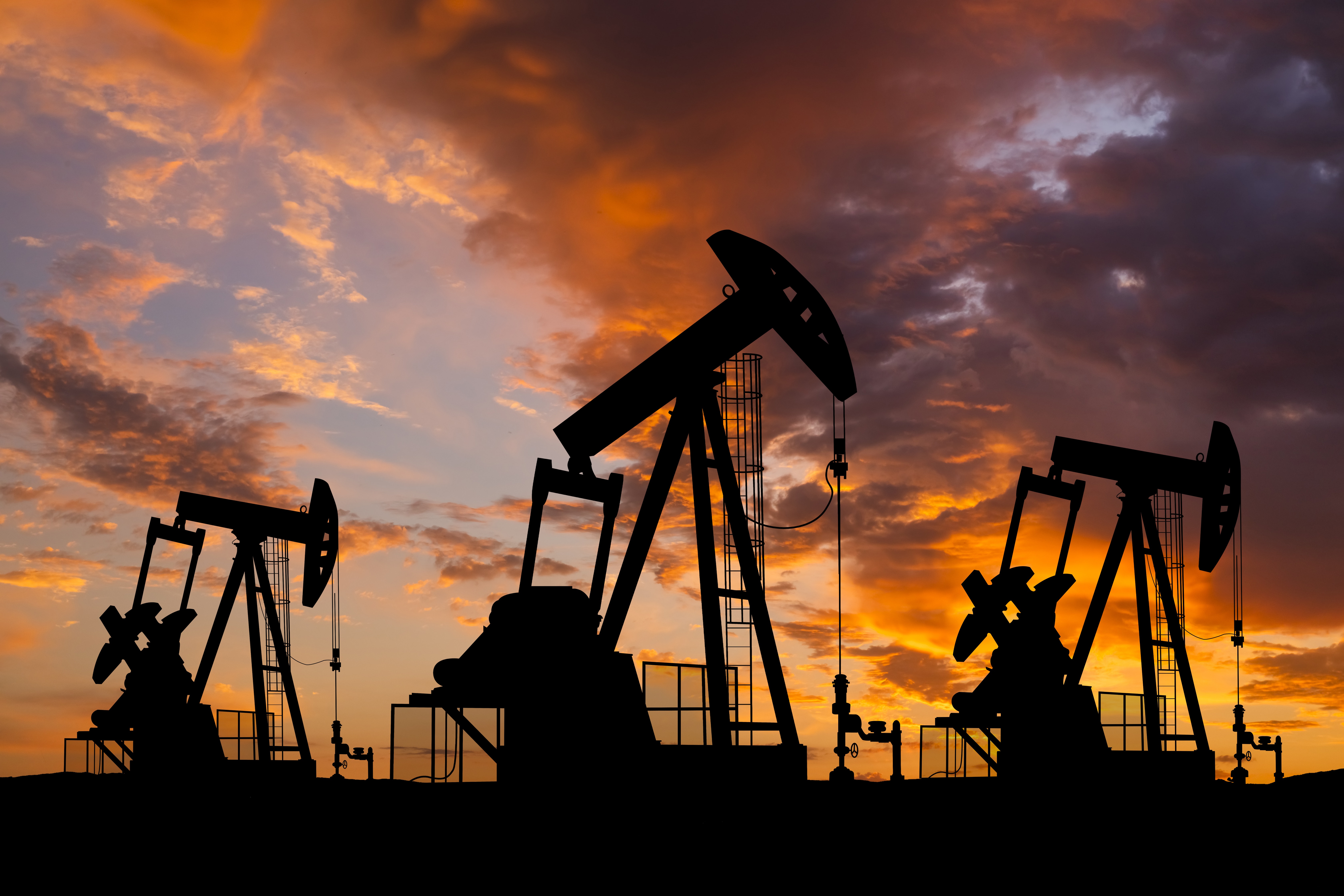
Relative national stability and global economic tailwinds have fanned speculation about renewed investment. British firm Savannah Energy’s decision in December 2022 to buy oil fields from Malaysia’s Petronas is the latest example of surging interest in South Sudan’s resources.
Likewise, investors are eagerly awaiting the 2023 South Sudan oil and power conference to see what sort of incentives are on offer. South Sudan has been using the platform to promote investments that help stabilise the national budget. Oil accounts for up to 90% of government revenues.
New investment could affirm South Sudan’s status as east Africa’s largest oil producer. The country is a member of OPEC+, a grouping of oil exporting countries. It currently pumps an estimated 150,000 to 170,000 barrels a day.
Regular squabbles with Khartoum over diversions of South Sudanese oil and transit fees still occur. But Juba adroitly manages relations with its northern neighbour. It depends on Sudan for transporting its crude to global markets. Petrodollars are forecast to accelerate GDP growth to more than 6% in 2023.
Beyond oil, the country also has huge scope for increased production of food and renewable energy like solar, wind and hydro. It has considerable potential to use the Nile for irrigation and electricity production.
Such projects could, under specific conditions, help remedy deepening regional water and electricity shortages. But plans for reviving canal dredging or dams can also stoke tensions in a region that already has plenty of them.
Regional diplomacy
Despite their preoccupation with internal conflicts, South Sudanese elites are far from passive regional actors. They have long considered the country’s resource potential an invaluable diplomatic instrument.
East Africa is at a critical moment. In addition to global pressures on food and energy prices, there are also intractable regional disputes. The most complex dossier remains that of Nile politics, with Ethiopia completing the third filling of the Grand Ethiopian Renaissance Dam last August.
Egypt and Sudan oppose what they see as the Ethiopian government’s unilateral construction and filling of the dam with Nile water. But the dam’s location makes it cheaper to export power to South Sudan than it is to transport it over the Ethiopian highlands to Addis Ababa. In this context, South Sudan’s diplomatic commitments around energy and water are much sought after.
This gives Juba leverage. The country has been exploiting regional rivalries and fluctuations in global commodity prices. We’ve argued in a recent paper that the government’s energy diplomacy has allowed the ruling party to tighten its grip on power. It has also bolstered South Sudan’s ability to shape regional developments.
For instance, since independence President Salva Kiir has endorsed the Ethiopian dam and signalled his desire to import electricity from Ethiopia. His cabinet has repeatedly indicated its intention to ratify the Cooperation Framework Agreement, which Ethiopian officials see as key to the equitable and stable management of the Nile Basin.
But South Sudan has, at the same time, deepened relations with Ethiopia’s great rival, Egypt. Juba has solidified security ties with Cairo and solicited its assistance for infrastructure projects on the Nile and its tributaries. Such balancing is crucial to Kiir’s ability to extract support from Ethiopia, Egypt and other regional players. But his unwillingness to make hard, durable commitments leaves these powerful neighbours of South Sudan often deeply frustrated.
Ignoring developmental needs
Unfortunately, diplomatic agility does little to benefit the people over whom the Sudan People’s Liberation Movement governs. For all South Sudan’s trumpeted potential in water, energy and food, more than 50% of the population is facing acute food insecurity and barely 1% has access to electricity. A 2022 assessment estimates that only 39% of the population has enough water to meet household needs.
Recent initiatives announced by government officials might well make existing problems worse. Resuming construction of the Jonglei canal is widely considered detrimental to regional ecosystems, and to local livelihoods already battered by conflict and climate-related uncertainties. Similarly, a project in which Egypt is to build a dam on a branch of the Jur river has been met with scepticism over how it could contribute to South Sudanese water or food security.
South Sudan is receiving International Monetary Fund emergency financing to restore some fiscal discipline while it deals with food price shocks. But the notion that such programmes constrain the government and encourage it to prioritise food (or energy) insecurity seems fanciful.
The track record since independence in 2011 is bleak: cereal production in 2021 was barely higher than in 2012, and the same proportion of the population was excluded from access to basic drinking water services as a decade ago (59%). South Sudan remains, by most estimates, the least electrified country on the planet.
Indeed, despite all the buzz about hydro-infrastructure or new oil investments, it is improbable that millions of citizens will get even part of their needs met. If the past is any guide, speculation about foreign investments will likely give the country’s elites the power to once again ignore the population.


