The efforts of a range of academics across Africa have produced a new anthology of articles about sport on the continent. It’s an important book because it’s a subject that’s been largely neglected.
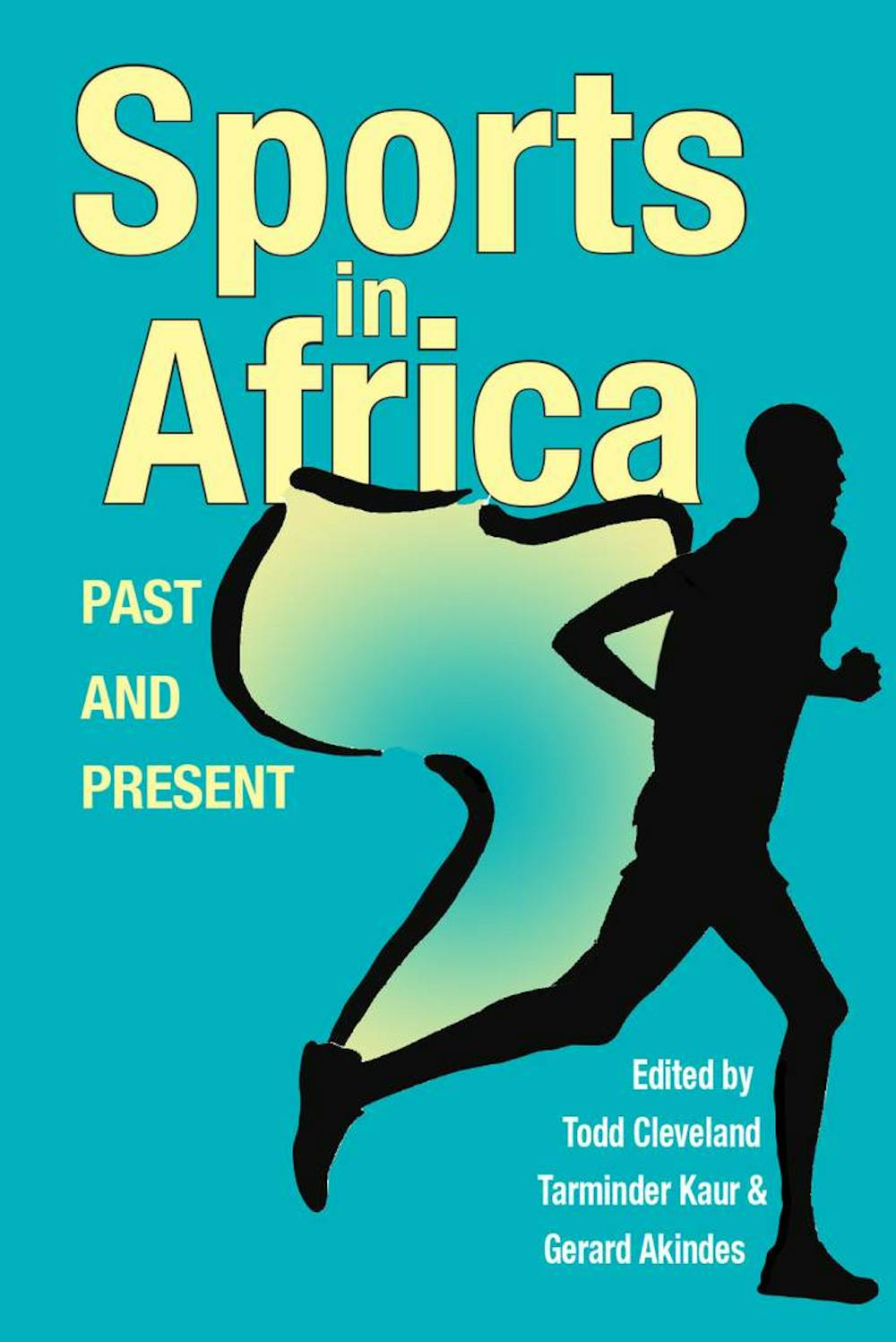
Sports in Africa, Past and Present engages with the core themes that have emerged from a series of conferences. Chapters provide an array of sporting windows through which to view and understand key developments in Africans’ experiences with leisure and professional sporting activities.
The history of African sports is also a history of Africans’ reception and appropriation of an assortment of “modern sports” that European colonisers introduced. If Europeans colonised Africa, as the maxim goes, with a gun in one hand and the Bible in the other, they were also equipped with soccer, rugby and cricket balls.
Notwithstanding the intentions of the colonial powers, historians of African sports have established that the indigenous practitioners were hardly passive consumers. They contested various aspects and fashioned new meanings of these sports.
Various chapters address the roles that sport played during and after decolonisation. It helped shape local and national identities in newly independent African states. They also look at the ways in which individuals, communities and governments have used sports in contemporary Africa for social and political ends.
Covering a continent
One of the themes in the book is the impact of colonisation, and how African players responded to various restrictions on their participation.
Africans were typically banned from white settlers’ sports clubs and associations. They often responded by forming teams and leagues of their own. This helped foster the development of distinct identities. In certain cases, these autonomous efforts at sporting organisations even simulated institution building in an imagined post-colonial state.
Trishula Patel’s chapter on cricket in Rhodesia (now Zimbabwe), for example, examines how the game helped reinforce various identities of the resident Indian community. Members struggled to negotiate racial discrimination at the hands of the white settler regime. Mark Fredericks demonstrates how the end of apartheid in South Africa, and the attendant unification of rugby and other sports leagues, signalled the death knell for community sports. In practice this meant the end of mass-based sports in black communities.
David Drengk’s chapter on surfing along the then Transkei Wild Coast and Todd Leedy’s chapter on the history of bicycle racing complicate ideas of interracial interactions during the apartheid era. Meaningful interactions could and did occur between black and white South Africans, or at least basic tolerance and respect.
The Nigeria women’s national soccer team has faced gender discrimination in a deeply patriarchal society. Chuka Onwumechili and Jasmin M. Goodman set out how players have used a series of sports-related strategies to push back against a range of sexist structures and entities. These include the Nigerian Football Federation.
Solomon Waliaula’s chapter offers significant insight into the pay-to-watch football kiosks that are ubiquitous throughout the continent, though his focus is on Kenya. He refutes the notion that because participants pay to watch European soccer, western culture dictates the dynamics in these settings. Instead, he argues, these spaces function based on local realities, cultural norms and social relations.
Christian Ungruhe and Sine Agergaard consider the acute challenges that West African football migrants face in Europe when their playing careers end.
Going back in time, Francois Cleophas reconstructs the experiences of Milo Pillay, a South African-born ethnic Indian physical culturalist. His weightlifting story illustrates the racial challenges that athletes faced, and at times surmounted, during the apartheid era.
Michelle Sikes uses the example of elite sprinter Seraphino Antao to highlight the challenges and opportunities that sports generated in the final years of British colonial control in Kenya and early independence. In an attempt to cultivate a common identity and purpose, leaders opportunistically trumpeted Antao’s successes. Politicians throughout the continent similarly used sports to build national unity in the aftermath of imperial overrule.
Marizanne Grundlingh examines the museum associated with South Africa’s Comrades Marathon, the world’s oldest and largest ultramarathon. In particular, she considers the ways that the race is remembered through gift-giving. Former participants donate various items for display, adding to the emerging subfield of sports as heritage.
Positive change through (studying) sports
Research on sports in Africa has gained considerable traction. But, like books such as Sports in Africa, the introduction of this topic into the classroom has lagged behind.
Three chapters address course design, approaches and learning outcomes. They also consider how African sports content can hone students’ critical analysis capabilities, digital research methods and intercultural learning skills.
Todd Cleveland draws on his experiences teaching the history of sports in Africa to offer lessons and insights. Matt Carotenuto’s chapter brings the reader into the world of a liberal arts institution. He offers advice based on his experiences teaching courses in African athletes and global sport.
Peter Alegi’s chapter looks at his experiences teaching an undergraduate seminar that examines the intertwined relationships between sports, race and power in South Africa.
We hope that the book can help precipitate positive change in the classroom and on the continent. And that it can enable practitioners, supporters and observers to better understand the lifeworlds in which sports are played and take on meaning.
This article is the first in a series examining African sport. The articles are each based on a chapter in the new book Sports in Africa: Past and Present published by Ohio University Press.


