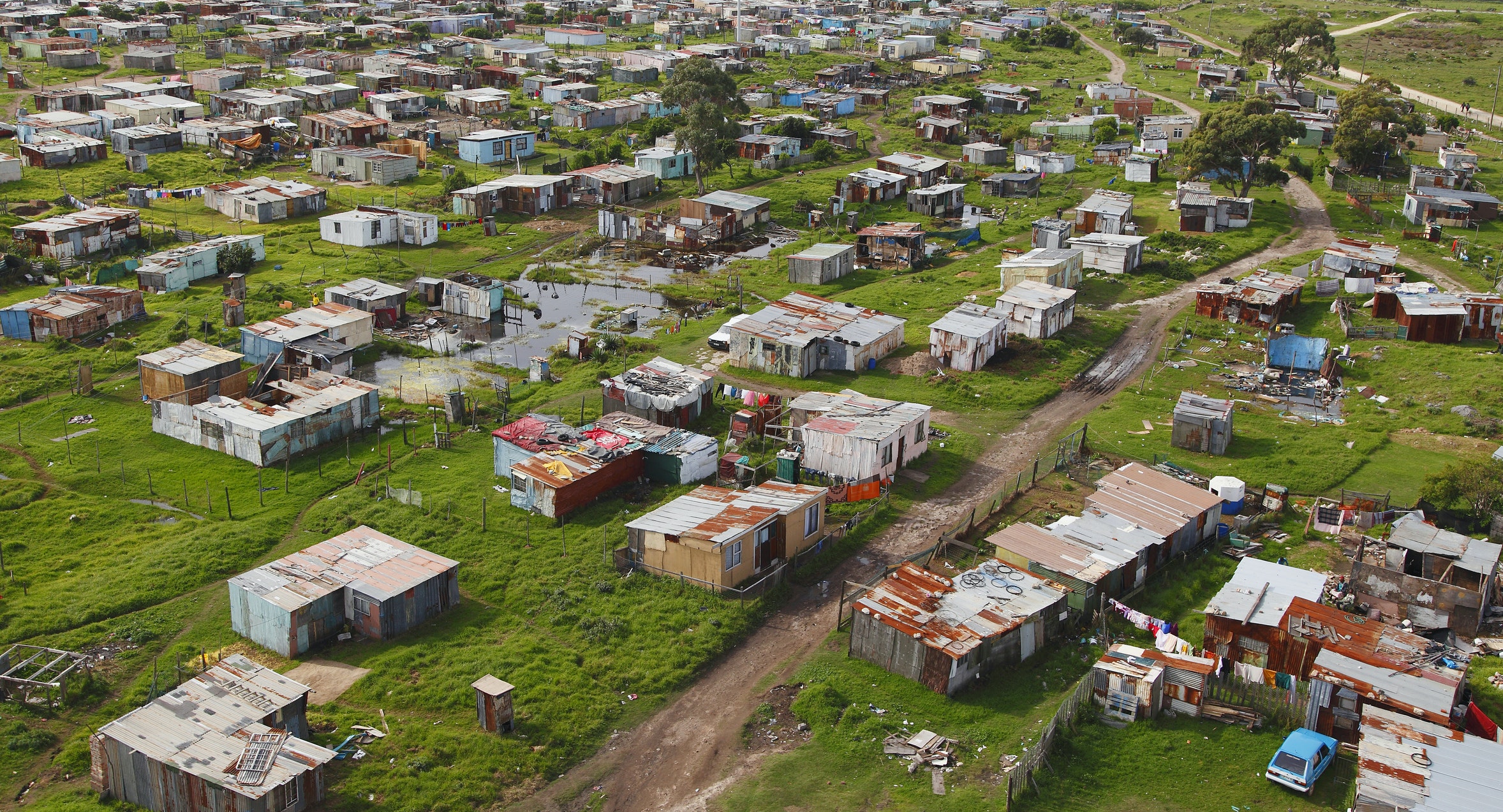
In South Africa, 25.6% of the population live in informal dwellings and the numbers increase annually. Informal dwellings are temporary structures built with materials such as hardboard, asbestos and corrugated iron. They tend not to be compliant with building regulations.
These unplanned settlements lack resources, infrastructure and basic services. Waste is discharged into clean water sources and people have to use energy sources like coal, illegally connected electricity, gas and paraffin. These pose a risk of fires and the release of harmful gases into the atmosphere.
The growth of unplanned settlements also creates challenges for healthcare provision, security, education prospects and environmental sustainability. Government policies need to address these issues, but education is key in fostering respect for the environment.
South Africa’s Curriculum Statement Policy prescribes environmental education topics mostly in Life Sciences and Natural Sciences school subjects. But as previous research has found, prescribed school curricula and practice are far removed from each other. Teachers aren’t always trained in how to teach environmental issues related to children’s values and the social context they grow up in.
Research shows that reviewing curricula and implementing policies alone cannot ensure the sustainability of the environment. Communities need to take action to improve their environment. Children should be educated from an early age in how to save natural resources according to the needs of the population.
The research
As the population grows and the need for resources, recycling, waste disposal and technology devices increases, learners must know how to recycle and dispose of different kinds of waste safely. Comprehensive education, which includes the needs of diverse social contexts, could change children’s behaviour positively towards conserving nature.
In an attempt to find better ways to educate people of all ages about the environment, we investigated student teachers’ perspectives and experiences. As future educators who may also live in informal settlements themselves, the student teachers’ views are significant.
We ran an online survey asking student teachers about their experiences of informal settlements. We also asked them for innovative ideas about educating residents about the environment. Responses created a picture of unplanned, overpopulated areas, where people were poor and needed to use natural resources for survival. Residents lacked proper hygiene and services such as electricity supply, waste removal and running tap water. They had to use polluted water and dispose of waste in nearby rivers.
We found that a compulsory “environmental education” subject, combined with community engagement projects, could be valuable.
Suggested innovative projects included the following:
-
Teaching residents how to make compost from household waste. The compost could be used to grow fresh produce in community gardens and provide food for the poor. People could also sell the produce for an income.
-
Teaching residents to recycle waste that they generate. Refuse bags could be donated for people to fill with recyclable items which they could sell.
-
Teaching adults and children to work together in a group and adhere to the waste management rules and regulations by organising “clean up” teams. These teams could take turns to clean waste every week in a specific area.
-
In a playful manner use games and play activities that would teach children to recycle and keep the environment clean. For example, children and adults could learn about the dangers of pollution through storytelling, puppet shows and dramas. Lessons could also be taught through designing colourful illustrative posters about the dangers of pollution for humans, animals and the environment.
Going forward
Teachers play an essential role in educating children and adults about how to maintain the environment. Despite innovative projects and integrated environmental education topics in curricula, not all children are aware of the elements that endanger the planet or actively involved in taking care of the environment.
We recommend that children should be educated from an early age by implementing a compulsory subject, “environmental education”. The subject should be compulsory from grades 1 to 12 and include topics such as management of electronic waste, recycling, hazardous wastes, pollution, global warming and others.
Innovative community projects could additionally improve parents’ attitudes and behaviours towards sustaining the environment.


