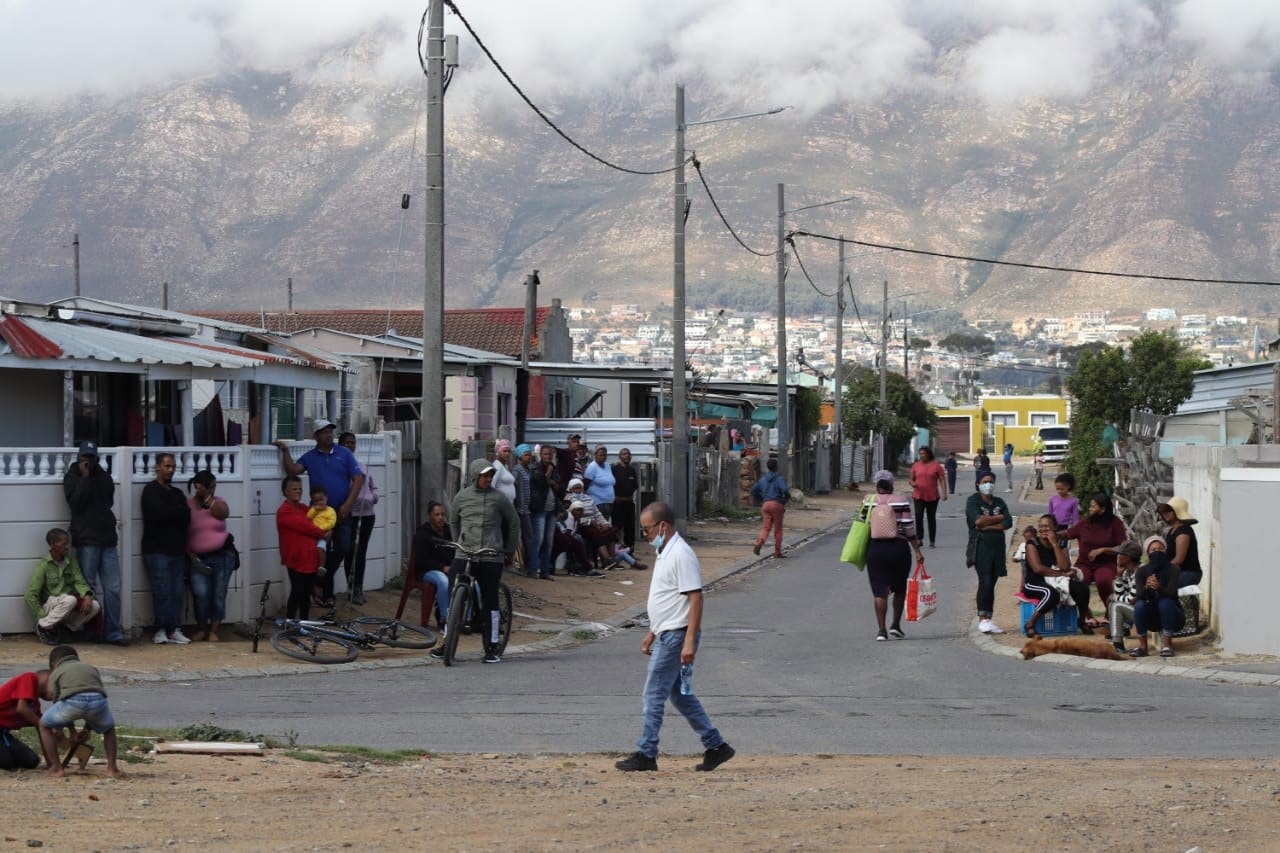
The national lockdown imposed by the South African government to contain the spread of COVID-19 in March 2020 disrupted economic activity, education and other social activities. This led to job losses and many psycho-social problems, putting an additional strain on poorer communities.
Their inability to pay for services means limited or no access to water, electricity, housing and healthcare. They often rely on non-profit organisations to help them.
The non-profit sector’s overstretched resources have come under even more pressure during the pandemic.
These entities realised that working in silos was not effective. They needed to coordinate their efforts.
Even before the pandemic, they had identified networking as a way to improve their effectiveness. Networks – or coalitions – are alliances for combined action. They share resources, ideas and information to achieve shared objectives.
The study
The main aim of our study was to find out what made networking difficult and what made it possible.
We explored the value of networking as a way to strengthen relationships among service providers in the Strand, Western Cape area. The place has high rates of unemployment and not much infrastructure. Intentional and unintentional injuries are common.
Read more: Safety measures for kids in poor communities are often ignored: some reasons why
Various community entities and external institutions provide support and services to the area. They make up the Local Network of Care and they are involved in social services, early childhood development, healthcare, job opportunities, youth programmes, community safety initiatives, pastoral counselling, and education.
The Local Network of Care consists of 69 active local organisations and social actors from multiple sectors. Among them are NGOs, the non-profits Building Bridges and SMART NPO, the University of South Africa, the South African Medical Research Council and the City of Cape Town.
Data for this study draws on the notes we made as researchers over a three year period. We also drew on newspaper clippings, institutional reports, meeting agendas and network meeting minutes.
Barriers and enablers
The networks involved in the study were able to ensure that the most vulnerable people received health and safety information and food parcels during the pandemic. They also sourced and distributed personal protective equipment among front-line network partners and local creches.
The study identified these key barriers to the effectiveness of networking:
- competing priorities and limited staffing, which hampered regular attendance of meetings
- ineffective communication
- scarce resources
- competing for limited funding.
We found important enablers of networking to include:
- mobilising and sharing assets and resources
- collectively developing and endorsing a social contract
- provision of a safe space
- effective and continuous communication
- organisational commitment
- mutual support, sharing and collaboration.
The power of networking
COVID-19 exposed the vulnerabilities and fragility of disenfranchised populations globally. But it also highlighted the role of networking in coordinating resources and aiding those in need.
The restrictions limited face-to-face interaction. Still, our findings show that human agency and solidarity through networking were valuable in addressing the psycho-social and economic challenges in poor communities. In times of crisis, this is a vital resource.
The study indicates that networks create connections and build capacity. They bring together resources to improve and nurture relationships between groups.
The network partners discovered that different organisations working in silos reached a small number of vulnerable people. It was important to understand what everyone was doing, and how they could address social issues collectively.
Through collective efforts in addressing common community challenges, they were able to generate positive and sustainable change. For example, through the City of Cape Town’s Women for Change Programme, the city provided part-time jobs for local women. They also received training by other network partners, and were recruited into mentoring programmes run by others.
Read more: How COVID-19 is likely to slow down a decade of youth development in Africa
The study also highlighted the importance of effective communication channels to share information about meetings, events, resources, jobs and study opportunities. This was important because staff shortages made it difficult to attend monthly networking meetings. The network partners used WhatsApp Web Messenger as a networking tool.
Through the network partners, residents were able to access essential services. These included referrals for counselling and substance abuse treatment, education, social welfare, safe houses, and emergency healthcare.
The network collectively applied ingenuity to find innovative ways to support vulnerable people. For example, various task teams were formed to provide food hampers and run soup kitchens.
For network partners working in communities where overburdening challenges are common and progress is slow, the networking meetings and communication platforms provided a safe and supportive space. The space gave affirmation and emotional support to network partners to help them deal with overwhelming challenges they face in such poor environments, and also to share gains.
Value of networks
Our study findings show the possibilities and value of creating and sustaining local networks that allow people to participate and collaborate.
Read more: Pandemic underscores gross inequalities in South Africa, and the need to fix them
Through networking, local organisations maintained connections during COVID-19. They also encouraged a humanising ethos, and mobilised local resources to help the most vulnerable.
The study shows that people are more likely to be able to develop shared responsibility for others during a crisis if they focus on actively building social networks and connectivity.


