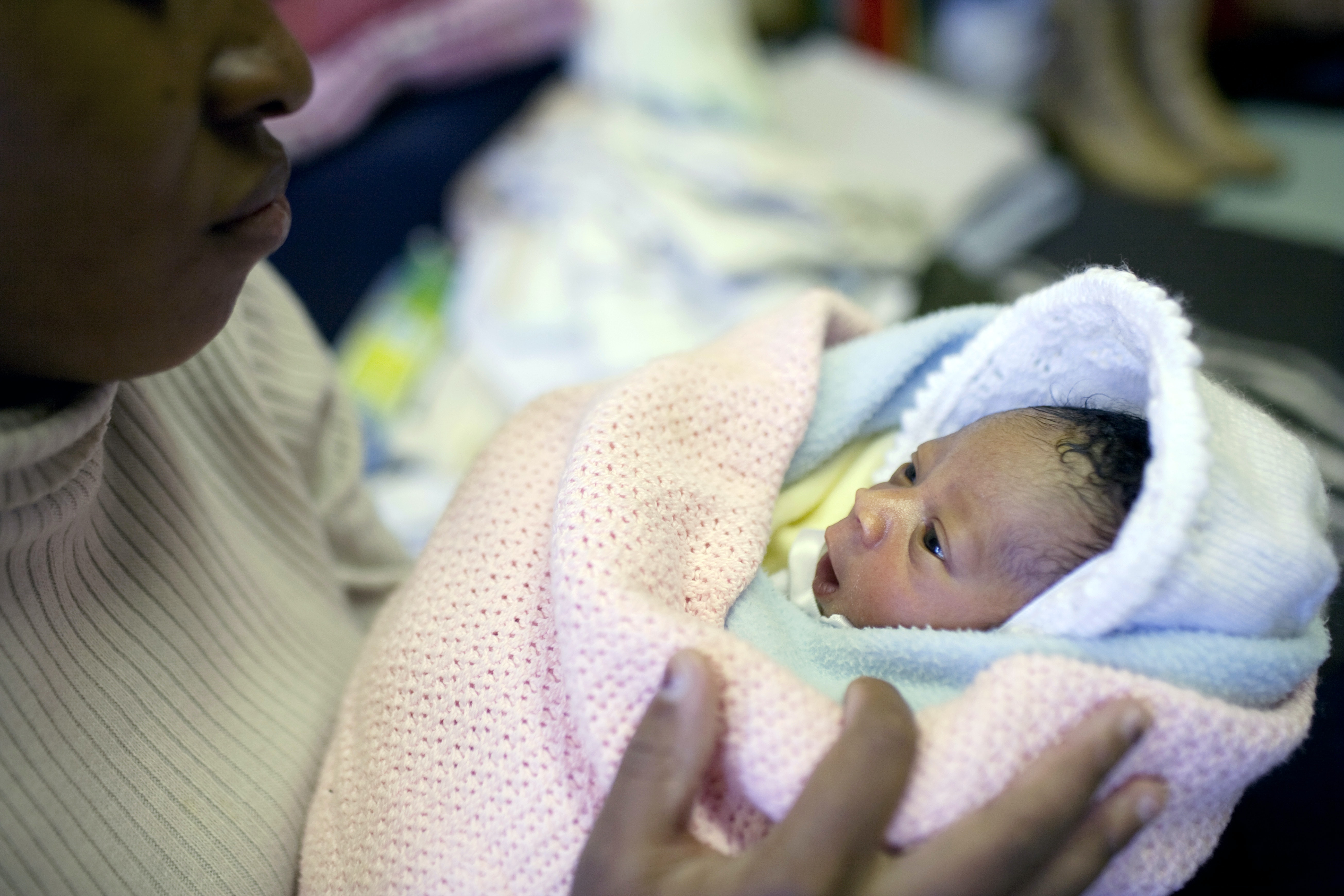
Women in low- and middle-income countries experience high levels of common mental disorders – anxiety and depression – during pregnancy and the first year after birth. The prevalence is estimated at nearly 20%, and is higher among women who are marginalised.
If left untreated, these conditions lead to profound suffering and have disabling impacts for income generation, caregiving and health seeking. Women with mental health conditions are particularly vulnerable to experiencing domestic violence. They are at greater risk of unintended pregnancy, food insecurity and becoming infected with HIV.
The US development agency, USAID Momentum, recently published an analysis of the maternal mental health landscape in low- and middle-income countries. The study outlined the social determinants of poor mental health in pregnancy and after childbirth. These include poverty, gender inequality and various forms of violence.
Maternal mental health conditions are a reflection of harmful social and economic factors that affect women. Further, poor maternal mental health may have impacts on the physical, emotional, and neurological development of newborns and children.
This public health crisis needs a response from the whole of society. Together with a group of international colleagues, we penned a call to action, with seven recommendations to address issues raised in the USAID analysis.
To improve maternal mental health, we recommend:
-
setting global standards and targets
-
government policy changes and clear budgetary allocations
-
integrating maternal mental health services into existing health system platforms
-
using research to strengthen current interventions
-
building on existing community level strengths
-
addressing social and economic risk factors to be part of any intervention
-
destigmatising mental health conditions.
These recommendations are based on work we have done in maternal mental health in low- and middle-income countries, including South Africa. The country still has a long way to go. However, it has made significant progress.
Risk factors
A closer look at the findings of the USAID analysis shows that women with common perinatal mental disorders face numerous additional health issues. These include not having access to adequate nutrition and experiencing obstetric complications. Many become socially isolated and face challenges in attending routine healthcare visits.
Women with perinatal mental health issues may face stigma. On the other hand, women are more vulnerable to experiencing poorer maternal mental health outcomes when they face poverty, various forms of persecution, or humanitarian crises.
Multiple studies from low- and middle-income countries have found rates of perinatal mental illness up to three times greater among pregnant adolescents than among older women.
Lessons from the South African situation
In South Africa, many women are exposed to these risk factors. The prevalence of depression and anxiety during pregnancy and in the year after birth ranges from 16% to 47%. About 10% of women during this period are at high risk of suicide. Most of these women do not receive the healthcare or support they need. The COVID-19 pandemic has made the situation even worse. Levels of food insecurity, social isolation, gender-based violence and poverty have escalated. The links between hunger and poor mental health in pregnant women point to the need for a maternity income support grant.
Due to high ratesof uptake of maternal and child health services, there is an opportunity to integrate mental healthcare into these platforms. There are challenges, though. Here we highlight three:
-
Staff capacity is not optimised. Non specialist health providers lack confidence and skills to provide mental healthcare. They face high levels of mental health conditions themselves, including compassion fatigue and burnout.
-
Lack of accountability: health information systems do not include relevant indicators and there is a lack of monitoring and evaluation of providers and programmes. Staff don’t know exactly what is required of them.
-
Maternal mental healthcare doesn’t get dedicated financing.
Read more: How South Africa is integrating COVID into routine care for mothers and babies
But there has been progress over the past 10-15 years:
-
Local research has yielded useful lessons. Studies have found that dedicated, versus generalist, lay healthcare workers can deliver mental healthcare at in the community or at facilities as part of a stepped-care system where professional service providers are available, as required. Their impact is limited, however, when training and supervision are inadequate.
-
The Mental Health Policy Action Framework 2013-2020 describes how detection and management of common mental health conditions should be integrated into sexual and reproductive health service platforms. The next update of this document is in progress.
-
The National Department of Health curriculum for training maternity care clinicians now includes a module on respectful maternity care and empathic engagement.
-
A locally developed mental health screening tool was validated and is now incorporated in the national Maternity Case Records.
-
The National Department of Health’s Standard Treatment Guidelines (hospital level) now include, for pregnant or breastfeeding women, detailed antidepressant prescribing advice, as well as specific guidance for those with other mental health conditions. The updated COVID-19 Clinical and Operational Guideline for Mothers, Newborns and Children now has a chapter on psychosocial care.
-
A new South African Maternal, Perinatal and Neonatal Health Policy integrates respectful maternity care and mental health considerations across several policy domains.
-
The Mental Health Investment Case commissioned by the National Department of Health recently provided an estimated return on investment of 4.7 for interventions addressing perinatal depression. This means that for every R1 invested, a saving of R4,70 (about US$0.29) can be expected through restored productivity, health and healthcare savings. This return would likely be much higher if it factored in the impacts on early childhood development.
Moving forward
Although there are barriers to change, there are also opportunities to build on progress made so far – as we’ve tried to show in our call to action.
South Africa and the rest of the world must translate evidence, policy and guidance about maternal mental health into practice. If we don’t, women, children and communities will continue to suffer. It will cost us more if we do nothing.


