Taking the long view on health: tracking the impact of ageing in rural South Africa:
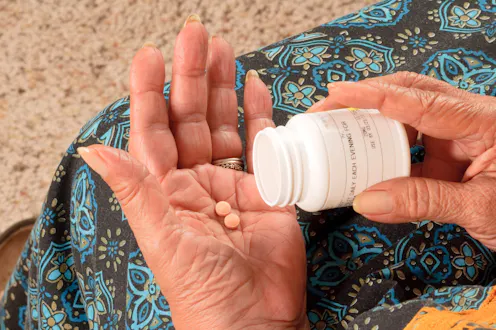
Population ageing is a growing challenge worldwide, and African is no exception. The World Health Organisation estimates that the continent is home to almost 65 million people aged 60 years or older, and that this number will increase to over 100 million by 2050.
This rapid population ageing will certainly lead to an increase in non-communicable diseases. This, in turn, will present important challenges for countries – including South Africa – and their national health systems in the coming decades.
These health and demographic changes have prompted researchers to study disease trends in older South Africans. The aim is to understand the role that specific health conditions will play in ageing among rural people.
One of the key studies about these trends is called Health and Aging in Africa: A Longitudinal Study of an INDEPTH Community in South Africa (HAALSI). The study is a collaboration led by researchers at the University of the Witwatersrand in Johannesburg and Harvard University in the US.
The team followed 5,059 adults over 40 years of age who live in the Bushbuckridge sub-district of Mpumalanga province in the northeast of the country. The South African Medical Research Council/Wits Agincourt Research Centre has been running a wider project in this area for 26 years, and the Agincourt Health and Demographic Surveillance System is the longest running surveillance survey in Africa.
As part of the study, we interviewed older adults periodically about their health and experience of ageing, and assessed key laboratory markers and clinical measurements.
The first set of interviews was conducted between November 2014 and November 2015. Our team recently returned to the homes of these same people to follow-up on how their health has changed. We’ve already uncovered several key health trends. For example, diseases beyond HIV and tuberculosis (TB), such as heart disease and diabetes, are beginning to affect peoples’s health. We have also been able to track how growing older affects peoples’ ability to function both physically and mentally.
Health threats
For many years, HIV and TB have been central health worries for South Africans of every age. But, thanks in part to the success of South Africa’s national HIV treatment programme, people taking antiretroviral therapy are living longer.
Our research on ageing and health shows that while HIV and TB remain important, even in older ages, other age-related conditions such as obesity, heart disease, diabetes and cognitive impairment also play an increasingly important role in the function and quality of life in older people.
For instance, HAALSI research has found that as many as two out of every three South African women, and one out of every two men are overweight or obese. Our additional research found that more than half of people over 40 have high blood pressure, and one in every ten has diabetes. The rates of these major cardiovascular risk factors are about the same in people who are HIV positive and those who do not have HIV infection.
Analysis of multi-morbidity in the HAALSI study shows that more than half of older people were found to have at least two of ten common health conditions at the same time. This is known as “multimorbidity” and has been linked to poorer overall functioning as people age.
In addition to heart disease, cognitive decline is another important age-related condition that older South Africans are facing in increasing numbers. HAALSI has shown that one in four adults over 75 years old has cognitive impairment, or difficulties with memory, thinking and judgement, that can affect their daily lives. Even more importantly, many of these people report that this decline limits their ability to perform usual activities at home.
Finally, half of older adults with cognitive decline who need assistance with such activities do not receive the help they need.
Older people also still face a high risk of HIV infection and the challenges associated with HIV treatment. Nearly one-quarter of both older men and older women in Agincourt had HIV. Many older adults, including many of those who do not have HIV, report that they do not use condoms, despite moderate levels of casual sex and multiple concurrent partnerships. Among those who have HIV, almost 70% were taking antiretroviral therapy and the majority of these people were virally suppressed. Despite this relatively high treatment uptake, only half of people with HIV were willing to disclose their HIV status in these interviews.
What needs to be done
For one, it is important for the government to have information about these diseases so policymakers can develop strategies to take care of people as they age.
Interestingly, our research has also found that people who were participating in the national HIV treatment programme were more likely to receive care for high blood pressure and achieve control of both blood pressure and blood sugar. This finding suggests that strong primary care systems are an important part of the answer to the disease trends of older adults, and also that South Africa’s very successful national HIV treatment programme may offer a great platform for expanding primary care for all South Africans.
Lastly, it’s important for people to be aware of the diseases that may affect them when they are older and to prepare for how they will deal with these possible problems. Good health habits formed in childhood and in young adulthood – including avoiding smoking and alcohol overuse, engaging in physical activity and eating a nutritious diet – will be crucial to healthy ageing of the society of a whole.

Jennifer Manne-Goehler is supported by grant number T32 AI007433 from the National Institute of Allergy and Infectious Diseases. The contents of this research are solely the responsibility of the authors and do not necessarily represent the official views of the NIH.The HAALSI study is funded by grant number NIH 2P01AG041710 (PI: Lisa Berkman).
Kathleen Kahn receives funding from the South African Medical Research Council, Dept of Science and Innovation SA, and the National Institute on Agin, USA.
Chodziwadziwa Kabudula and Francesc Xavier Gomez-Olive Casas do not work for, consult, own shares in or receive funding from any company or organisation that would benefit from this article, and have disclosed no relevant affiliations beyond their academic appointment.
Source: The Conversation – Articles (AFRICA)
Read more on The Conversation.
Join the fun: Add Your event | Submit a Press Release | Add your listing.


