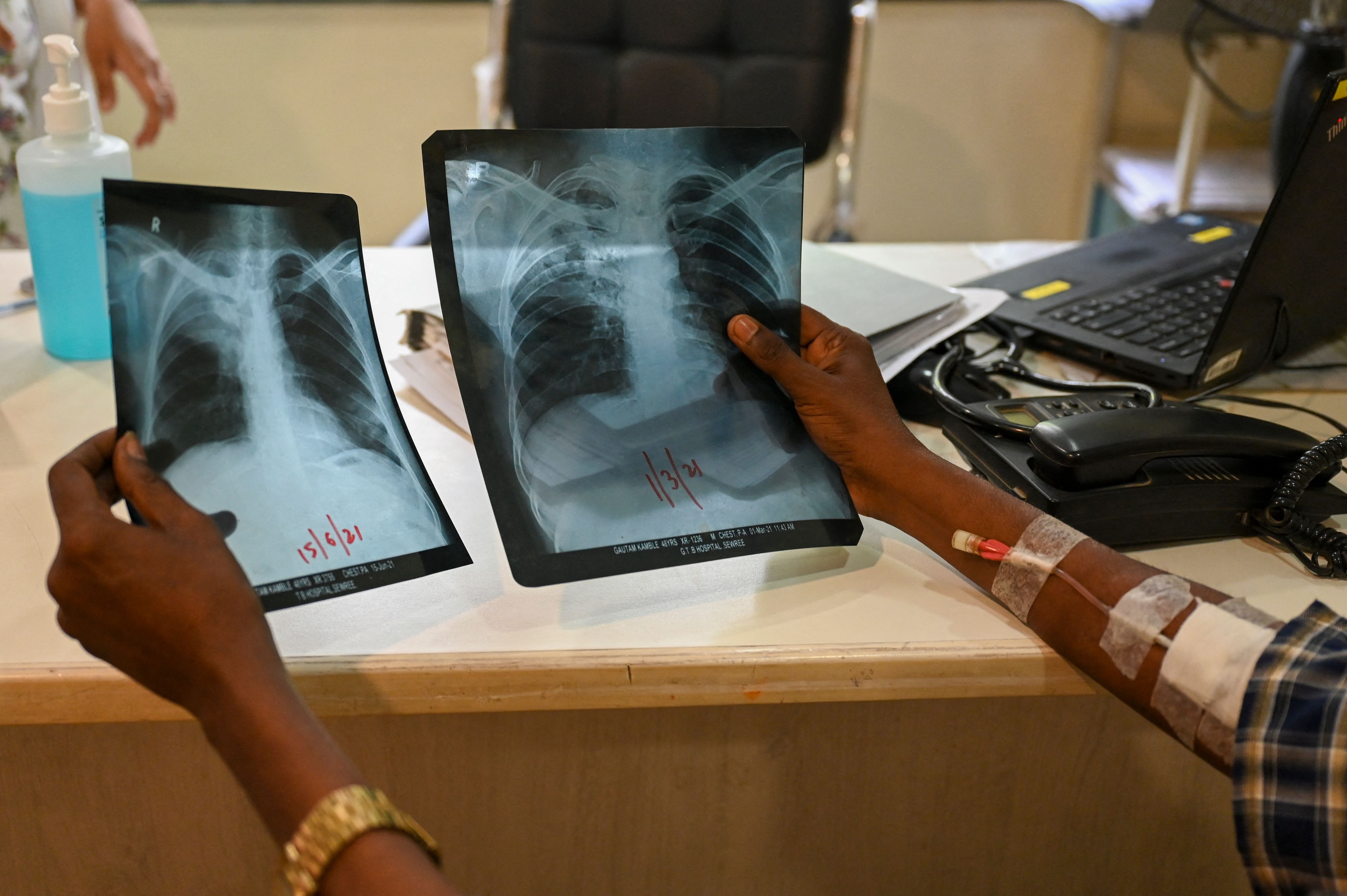
Numerous researchers have documented the quality of life and mental health of specific population groups. Examples include people living with HIV, the elderly, students, men who have sex with men, and pregnant women accessing health services. One review found that people with tuberculosis (TB) have a relatively high prevalence of depression.
We’re part of a multi-country project called TB Sequel, which studies the long-term consequences of pulmonary TB. The research shows that survivors face ongoing disability and increased mortality risks beyond treatment completion. To fully understand the impact of TB on survivors’ quality of life, though, we needed to compare them with a group of healthy individuals with similar demographic and socio-economic characteristics.
But little is known about the quality of life and mental health of what we consider “apparently healthy” people.
So we needed first to establish estimates or references for these local “apparently healthy” populations. We use the term “apparent” because the assessment of health status was based on self-reported symptoms or conditions.
We set out to describe health-related quality of life, and the level of psychological distress, among adults in Tanzania – one of the four African countries that are part of our bigger study. The estimates for this “apparently healthy” Tanzanian population will help us interpret our wider research findings.
Long term effects of TB
The TB Sequel project followed patients that received treatment for TB in The Gambia, Mozambique, South Africa and Tanzania. The study followed 1,500 patients for at least 24 months from the start of TB treatment, to measure the burden of lung impairment after TB. The project also looked at other long-term effects of pulmonary TB.
One of the project’s research tasks focused on the social consequences of TB. These included health-related quality of life, pain, psychological distress, disability, and TB-related stigma.
Our preliminary analyses of the data showed that TB patients in Tanzania perceived their health-related quality of life to be much worse than patients at the other TB Sequel sites. To understand why, we needed to know more about “apparently healthy” adults living in the same setting.
We then did a cross-sectional study in Mbeya and Songwe regions, in southwestern Tanzania. The study was done by a TB Sequel research team in Tanzania and was part of the doctoral project of Rebekka Wenzel. We enrolled close to 400 “apparently healthy” adults (aged 15-49 years). They were either household members and neighbourhood contacts of TB Sequel study participants or from the local community. Their characteristics were similar to the demographic features of the population of Tanzania.
We asked them about their health in eight domains: physical functioning; bodily pain; role limitations due to physical health problems; role limitations due to personal or emotional problems; emotional well-being; social functioning; energy/fatigue; and general health perceptions. These were summarised into scores for physical and mental health.
‘Apparently healthy’ quality of life
The “apparently healthy” adult population scored lower on physical and mental health in our survey compared to other similar research in Tanzania and other African countries.
Most participants (78.4%) reported that they were not experiencing psychological distress. Overall, one in five participants (21.6%) reported some form or degree of depression or anxiety. This is much higher than the global prevalence of depression of 12.9%. As a result, we could therefore estimate that twice as many TB patients reported psychological distress or anxiety at the start of TB treatment compared to “apparently healthy” adults living in the same setting.
When we looked at the characteristics of participants who reported better (or worse) overall health, we found that women scored a little lower than men. On levels of depression or anxiety, men’s levels were much lower than women’s (the higher the score, the greater the psychological distress due to depression or anxiety).
Of the women participants aged 35 years and older, those that reported being divorced or widowed and those with a primary or lower level of education were more likely to report some form of depression or anxiety.
The results were consistent with other studies and our expectations. We expected to find that older people would feel less well, and that men, younger people and better educated people would feel better.
These results provided us with the demographic characteristics associated with poor quality of life or any form of psychological distress in Tanzania. They also served as the reference or baseline against which to compare the TB Sequel data. We could more accurately estimate the impact of TB on health-related quality of life and psychological distress in individuals from Tanzania.
We did the same kind of comparison for other sub-groups such as HIV-positive adults, females, and older or unemployed adults.
Going forward
To our knowledge, this was the first study to measure health-related quality of life and psychological distress in a population that reported no respiratory or cardiovascular diseases in southwestern Tanzania.
The findings allow us to quantify and examine the impact of TB and post-TB impairment by providing a comparison group from a general population. Our study provides valuable references for other research initiatives and clinical services in this region. They can be used to understand more about patients with different illnesses and assess the impact of health interventions.


