World TB Day on March 24th will commemorate the day in 1882 when Professor Robert Koch announced in Berlin that he had discovered the microbial cause of tuberculosis (TB), Mycobacterium tuberculosis.
Effective treatment for TB has been available since 1952. But it continues to be the world’s top cause of death from a single infectious disease.
In 1993 TB was declared a global public emergency of international concern and still is 30 years on. The focus at that time was on adult TB. At the time childhood TB was not thought to be important. Accurate evidence of the scale of the problem wasn’t available. Over the ensuing decade, thousands of African children died of TB and TB/HIV co-infection every year.
It took visionary leadership from African scientists and pathologists to conduct a large, landmark autopsy study in 2002 on 164 children who had died of respiratory illness in Lusaka, Zambia. The study found that 25% of deaths were due to TB. It was only then that the World Health Organization (WHO) recognised that TB in children was a neglected disease.
Despite that recognition, serious investment into early diagnosis, treatment and prevention of childhood TB have not been forthcoming. Systemic health services challenges and lack of adequate knowledge around the disease also hamper improvements.
Based on our combined four decades in TB research we believe that the burden of childhood TB can be one of the indications of a failing TB control programme in any setting.
In 2021, an estimated 10.6 million people fell ill with TB worldwide. This was made up of six million men, 3.4 million women and 1.2 million children. Of the 1.6 million people who died in 2021, 240,000 were children. Almost all were undiagnosed before death.
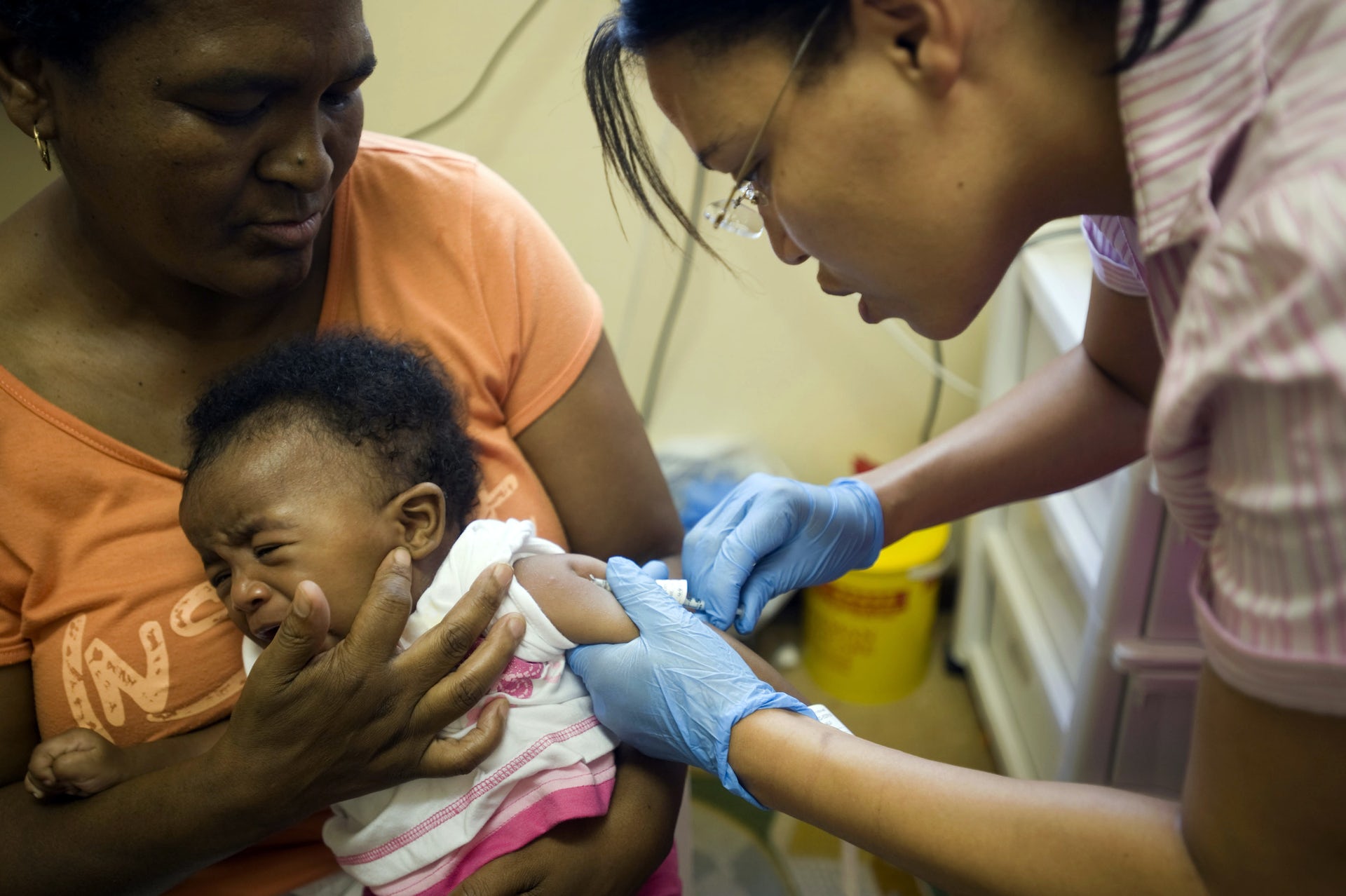
This reflects the dire need to prioritise childhood TB. Its early detection and treatment must be part of the global strategy to end TB.
Key challenges in childhood TB
Early diagnosis and treatment: The symptoms of TB in adults is fairly well described, leading to definitive diagnosis and treatment. But TB in children can easily be missed. This is because the symptoms are similar to other childhood illnesses. As a result, diagnosis and treatment are delayed.
Diagnosing TB in children is difficult for a number of reasons. The most vulnerable children present with non-specific symptoms. Chest x-rays are the textbook way to diagnose TB. But these are not always available in rural settings. There have been numerous studies evaluating new tests and algorithms. But the ideal test for childhood TB has not yet been found because the test must be easy to use at points of healthcare, affordable, with simple non-invasive sample collection.
TB vaccination: The age-old Bacille Calmette-Guerin (BCG) vaccine remains the only licensed vaccine. It only provides some protection in early childhood. But it’s not effective in preventing active disease in older children and adults.
In many developing countries BCG vaccination for children after birth is mandatory. But vaccine coverage varies across countries. For national TB control programmes to work there must ensure high vaccination coverage.
New vaccine development for TB has not been a priority. There are 16 candidate vaccines that have reached proof of concept stage based on recent efforts. But more investment for facilitating their evaluation in clinical trials is required.
Funding to meet global targets: Adequate funding is required to fight childhood TB. The global targets set in 2018 aimed to treat 40 million people with TB disease between 2018–2022. This target included 3.5 million children with drug sensitive TB and 115,000 children with drug-resistant TB.
But progress in many areas of TB control have stalled – or been reversed. This has mainly been due to the COVID-19. This calls for renewed efforts to funding TB control adequately again.
In addition, US$ 1.3bn per year was needed to achieve these targets . US$ 2bn would go to TB research annually within the same five year period of 2018–2022. An assessment of the shortfall is urgently required as total investments into TB control globally fell from US$6.0 billion in 2019 US$5.4 billion in 2021, which is less than half what is needed annually.
Clinical practice and community prevention: Health workers in parts of the world including countries in Africa have limited knowledge and practice in managing childhood TB. Contact screening and family-centred approaches are an important part of reducing the burden of TB in childhood. It’s essential to improve understanding of childhood TB from training institutions and clinics – all the way down to the community.
Use of new technologies in testing and diagnosing childhood TB: Most children with TB present with negative results on microscopy of their respiratory fluids while radiographs are unreliable as they rarely definitive. GeneXpert is currently the most widely used tool for diagnostic accuracy of TB. But affordability and maintenance mean that it’s not practical to roll it out in settings that have few resources.
The best option in our view is metagenomic next-generation sequencing. This enables broad identification of pathogens and antimicrobial resistant genes directly from clinical samples within 24 hours. But these technologies are not readily available in low-middle income countries where the TB burden is the highest. Some children with respiratory symptoms may have mixed infections. Accurate diagnosis of multiple infections in a child will lead to proper management of the sick child with respiratory symptoms and reduction in mortality due to untreated infections including TB.
Next steps
To efficiently fight childhood TB, programmes must ensure the following:
-
good coverage of BCG vaccine
-
new, more effective TB vaccines need to be developed as well as enhancement of BCG
-
good clinical training and practice for managing patients
-
deployment of highly sensitive diagnostic methods
-
efficient community prevention programmes including contact tracing, and
-
proper treatment of diagnosed children.
Funders and donors should provide enough resources to enable global targets to be met. And enough money is required to mitigate the impact of emergencies such as the COVID-19 pandemic and economic downturns.


