The free movement of people is an AU ambition: what’s standing in its way:
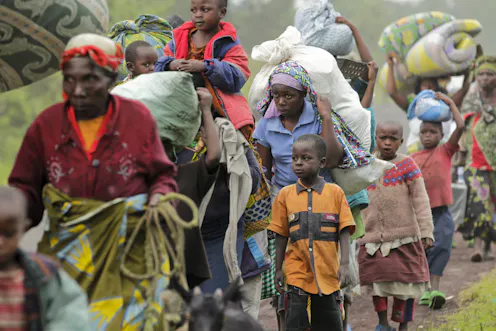
The African integration project took several major steps this year. One of them was the African Union’s adoption of a protocol on the free movement of people. The move has been widely welcomed.
The free movement of Africans between African countries could unquestionably facilitate growth. Allowing freer movement would encourage trade, tourism and investment between African countries. And it would allow students to study in other African countries and Africans with suitable skills to find rewarding jobs.
Opening up borders has been shown to have positive affects in other parts of the world. For example, growth of many Asian countries is significantly attributable to the liberalising of inter-Asian relationships including through an agreement between Southeast Asian countries that promotes freer mobility for workers.
Some African countries have recognised the benefits of ensuring free movement of people. Seychelles, Mauritius and Rwanda have liberalised their visa requirements. One effect is that there’s been a significant rise in inward tourist arrivals from other African countries. And the removal of visa and even passport requirements within regional trading blocs in both East and West Africa are widely believed to have led to increased economic activity.
But there are major obstacles that need to be cleared before the ambition of free movement across the continent can be achieved. The biggest is posed by concerns raised by the continent’s major economies like South Africa and countries in North Africa where unemployment rates are high and there are fears that increased immigration could contribute to increasing domestic tensions.
There are also concerns that if not well managed the free movement could worsen brain drain for poorer countries. Because of these concerns, among others, only 30 countries have signed the protocol. This is much lower than the 44 that have signed the African Continental Free Trade Agreement.
The obstacles
The AU recognises the lack of readiness of many domestic and continental arrangements that would allow the immediate full implementation of the protocol. Some countries have population registration and passport systems which lack integrity, some have weak border management, and some have poor security intelligence.
Because of this, implementation has been divided into three phases: right of entry and abolition of visa requirements; right of residence; and right of establishment (which includes investment and setting up a business).
Phases 2 and 3 will not be implemented until the implementation of the first phase has been reviewed.
But many countries, especially the richer ones, are reluctant even to enter phase one without some conditions being met.
The key concerns are around the absence of inter-state cooperation measures on immigration procedures, border management, education systems and mutual recognition of qualifications, common standards for working conditions, and access to or portability of social security benefits.
South Africa, in particular, has issues with a range of the requirements. A memo of the South African Department of Home Affairs identifies 12 preconditions for the implementation of the protocol. Some of them are unrealistically idealistic such as the condition of “peace, security and stability on the continent”.
But about half of the preconditions seem quite reasonable and understandable. They include civil registration systems and bilateral return agreements. Civil registration systems critical; South Africa is one of the few countries on the continent that has a comprehensive ID system.
Home Affairs position is very cautious. It advises against even adopting Phase 1 of the protocol – the right of entry and abolition of visas for fellow Africans – until certain conditions are met. It is imperative, it argues, to improve population registration systems, establish integrated border management systems, enter into bilateral return agreements and strengthen law enforcement at national level across Africa before Phase 1 is supported.
South Africa, they argue, is not alone in adopting this stance. Other countries with similar concerns include many of the North African countries and one or two other richer African countries. Like South Africa, most North African countries have relatively high unemployment rates and fear a backlash from citizens. In situations of unemployment and inequality, disadvantaged citizens can end up blaming ‘foreigners’ for their predicament, resulting in tensions than can lead to xenophobia.
It’s unlikely that the Protocol will make progress unless fears are addressed. So, how can the AU get the laggards on board?
Next steps
One suggestion is that the AU sets up a technical committee to address the issues raised and to come up with proposed solutions.
A stronger African coordination around population registration, leading ultimately to an African ID or an African standard ID would be a neat way to address these technical issues. The technical committee could focus first on the obstacles to implementing Phase 1. Once that hurdle is crossed it could move on to Phase 2, and eventually to Phase 3.
The technical committee must be well-resourced with officials and experts, both to achieve its objectives and to ensure that the richer countries believe the committee will make progress with or without them. They will not want to be left out.
This article is based on a talk given by the author at the Post-Tana Forum in Gaborone.

Alan Hirsch does not work for, consult, own shares in or receive funding from any company or organisation that would benefit from this article, and has disclosed no relevant affiliations beyond their academic appointment.
Source: The Conversation – Articles (AFRICA)
Read more on The Conversation.
Join the fun: Add Your event | Submit a Press Release | Add your listing.


