This week the African Nature Based Tourism Platform (NatureBasedTourism.Africa) released a new case study at the IUCN Africa Protected Areas Congress (APAC) which details how collaboration and resilience were key to Kenya and Namibia’s conservation and tourism industries survival of the COVID-19 pandemic.
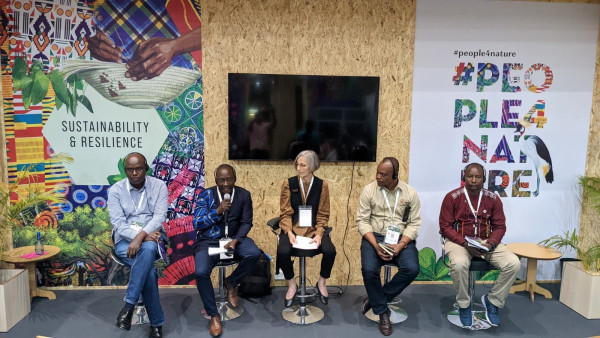
The study was conducted by Maliasili on behalf of the African Nature Based Tourism Platform, and launched at a session which focused on a core theme of sustainability and resilience.
“APAC is the first such conference held in Africa, and brings together key stakeholders from across the continent, including community members, NGOs, and governments. Recovery from the pandemic, and building resilience to future shocks and stressors is the key goal of the African Nature Based Tourism Platform, and one of the major themes of the congress,” says Dr Nikhil Advani, Project Lead for the African Nature Based Tourism Platform.
Although Kenya and Namibia have very different political economies, approaches and trajectories, together they provide significant lessons on how to establish and sustain effective community-based conservation and natural resource management.
The losses from tourism collapse in Kenya were estimated at KES 5 billion (US$ 45.5m). The Kenyan conservancies make up approximately 11% of the country’s total land area and directly impact approximately 930,000 households – 100,000 people in the Maasai Mara’s core conservancies alone.
As a result of the COVID-19 pandemic, 80-90% of Namibian conservancies lost revenue, amounting to about US$ 4.1million per year in addition to US$ 4.4million (N$ 65 million) in the salaries of tourism staff living and working in these conservancies.
Both Kenya and Namibia successfully mobilised emergency relief funding to keep community conservancies intact during the pandemic by designing recovery strategies for constellations of conservancies and nature-based tourism businesses.
In Kenya, key relief efforts included the government’s stimulus programme which provided a total of US$ 9.1m in support of 160 community conservancies and another US$ 9.1m to pay the salaries of 5,500 newly recruited community scouts under the Kenya Wildlife Service (KWS). In addition, the government offered US$ 18.2m in soft loans to tourism operators to carry out renovation of their facilities and restructuring of their businesses. The government also reduced the value added tax (VAT) from 16% to 14% and adjusted other policies to help ensure businesses can return to normal after the impacts of the COVID-19 pandemic have receded.
In Namibia, a total of over US$2.4m was dispersed, supporting over 3,600 people and 129 entities within the country’s tourism and conservation sectors. “The COVID-19 Facility in Namibia was able to quickly transfer money to all conservancies because of the existing structure – the Community Conservation Fund of Namibia – CCFN,” says Richard Diggle, WWF Namibia Coordinator. “This program was established in 2017 and its mandate is to develop long term sustainable finance.”
These efforts were successful because of strong leadership and collaboration. Built over the past 30 years, the two countries have established strong alliances between government, NGOs and private sector players and created enabling environments to support community conservation and natural resource management efforts.
“Kenya and Namibia have vibrant communities of practice among communities, conservation NGOs, private operators, and the government, all of whom have heavily invested in conservation and the tourism sectors over many years,” says Dr Nikhil Advani, Project Lead for the African Nature Based Tourism Platform.
“Their separate but successful experiences have demonstrated how to establish, sustain and make community-based conservation and natural resource management efforts successful and resilient, while maintaining tangible benefits to those communities that established and manage them.”
Access the full case study here: https://bit.ly/3v2kUUz
Distributed by APO Group on behalf of The African Nature Based Tourism Platform.
More information: African Nature Based Tourism Platform / https://NatureBasedTourism.Africa/


