In 2016, the World Health Organisation (WHO) set an ambitious target to eliminate viral hepatitis by 2030. This was followed by commitments from governments – including African countries – to develop national strategic plans for viral hepatitis and earmark resources to eliminate the disease.
Hepatitis results in the inflammation of the liver. There are different forms of hepatitis – A, B, C, D and E – each attributed to a different type of virus. Unfortunately, most people who have the most serious forms of the disease, particularly the B and C viruses, are unaware of infection. This allows the infection to spread unchecked, leading to serious damage to the liver.
This year World Hepatitis Day is marked under the theme “Hepatitis Can’t Wait”. It is a clear call to improve efforts towards eliminating a disease that globally kills one person every 30 seconds.
Many African countries that committed to eliminating the disease have either not ratified their guidelines or not increased access to hepatitis care. Of the 47 countries in the WHO Africa region, 28 have developed national plans to eliminate the disease. However, only 13 countries have disseminated them.
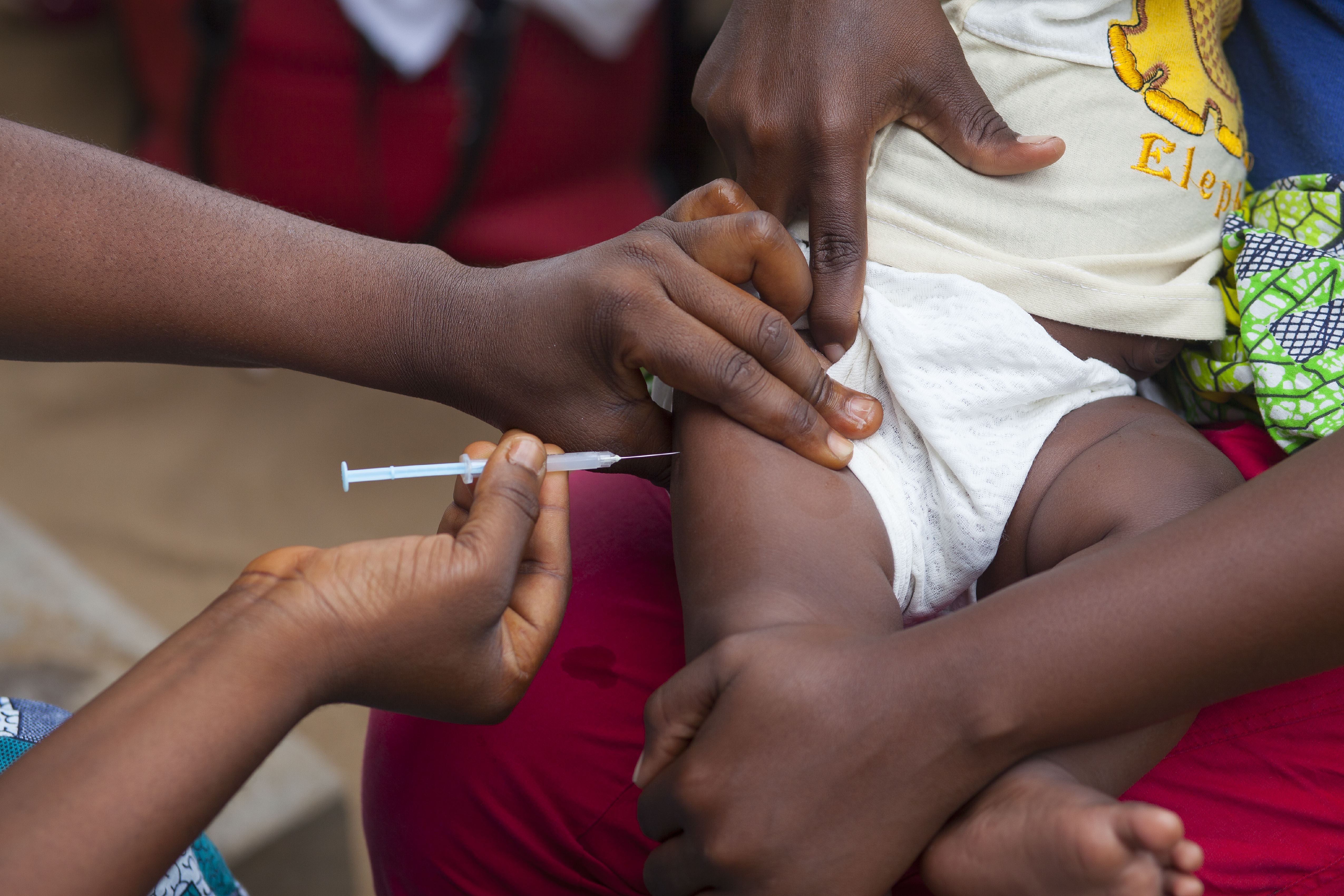
The childhood vaccine given at birth is effective, but in many rural and remote parts of Africa over 40% of children are still unable to get the vaccines when they need them. Reasons for this include erratic vaccine supplies and outdated vaccination schedules.
These challenges have been further compounded by the COVID-19 pandemic, which has eroded some of the gains that had been made in the past few years. With movement restrictions and social distancing as part of the responses to curb the spread of infections, people have been less able to use services to prevent and cure hepatitis and other diseases.
The disease
In Africa, 70 million people are infected and 200,000 die annually from hepatitis. This is despite the availability of treatment.
Hepatitis B is the most common form of the illness. It is spread through infected body fluids, either through sex with an infected partner, at birth (from an infected mother to her baby), direct contact with open wounds or blood of an infected person, sharing syringes, razors or toothbrushes with infected persons.
The mainstay strategy for managing hepatitis B is prevention through the administration of a vaccine. It is also treatable, through oral antiviral drugs which in most cases must be taken for life. This is because the treatment, in most people, only leads to the suppression of the virus and not its complete eradication.
To prevent its progression, it is highly recommended that treatment begins within the first three months of infection.
Positive lessons
The call again this year is therefore for renewed efforts to ensure that no baby is born with hepatitis, pregnant women get tested and treated, awareness is raised about the disease as well as testing and treatment, and governments invest more in efforts to end the disease. More concerted efforts are needed to keep services going even amid the disruptions caused by the pandemic.
Countries need to commit more domestic resources to fast-track elimination.
Cape Verde, Uganda and Rwanda provide positive lessons. They have committed more resources to ensure a 99% birth dose vaccination rate, free national hepatitis B treatment and free treatment for hepatitis B and C. This shows what political will can achieve.
Cape Verde’s government funds all vaccine services and implemented hepatitis screening for pregnant women in 2002 and the pentavalent vaccine in 2010. (This is a combination vaccine which protects against five killer diseases: diphtheria, pertussis, tetanus, hepatitis B and Hib.) The country has maintained almost 98% vaccine coverage for decades, an example other countries in the region need to follow. This is as a result of its commitment to using an equity lens to its health and social services combined with a multisectoral approach to health and wellbeing.
Next steps
Mobile health services have effectively worked in Madagascar and South Africa in increasing access to vaccines and family planning services. Using mobile clinics that can reach communities in far-flung areas could enable health workers to provide hepatitis screening and treatment services.
These would be supported by mainstream and social media platforms, as well as opinion leaders, to create more awareness about the disease and planned community outreach services. Platforms like this are also needed to conduct more advocacy to raise awareness and generate more support for prevention and treatment programmes. Successful campaigns have been run to create awareness about HIV/AIDS, the dangers of drugs and substance abuse and road safety among others.
Through virtual spaces, communities of practice can be created to share best practices that would enhance awareness and resources essential in the elimination of the disease.
Hepatitis services are not as adequately funded as other priority areas such as HIV, immunisation and reproductive health. This means that hepatitis care needs to be integrated in some of the programmes promoting access to healthcare. For instance, this would help ensure that regular hepatitis screening is made available to women who go to health facilities for antenatal services or to patients under treatment for HIV infection.
Integration of services has effectively worked for HIV and tuberculosis. These successes need to be considered for hepatitis management.
And because of the important role vaccinations serve, more efforts need to be invested in ensuring that women and children receive their vaccines on time.
Though the pandemic presents challenges to eliminating hepatitis, African countries can recover some of the lost time. It requires taking more innovative approaches to promoting access to information and services.


