Vitamin A deficiency is the leading cause of preventable childhood blindness. It also increases the risk of death from common childhood illnesses such as diarrhoea. There are several ways to fight this public health threat: giving children vitamin A supplements; promoting more diverse diets; fortifying food; and bio-fortifying crops. Nutrition campaigns can go with these efforts.
A number of countries are implementing these measures. But there’s a lack of adequately updated data on vitamin A deficiency and analyses of the impact of such measures. Without this information, countries may be unable to make timely, informed decisions and modify existing strategies.
Uganda is a case in point. Methods for collecting and analysing data on vitamin A deficiency have been inconsistent. So the results vary widely. This makes it difficult to tell whether vitamin A deficiency among Ugandan children is declining or not. Prevalence was estimated at around 28% in 2001, 20% in 2006, 33% in 2011 and 9% in 2016. The World Health Organization categorises prevalence of 2-9% as mild; 10-19% as moderate and over 20% as severe.
It is hard to compare countries when reliable data are missing. But Uganda has been one of UNICEF’s priority countries for its vitamin A supplementation programme since 2000. The country has introduced several measures to address the issue. It distributes vitamin A supplements through healthcare channels; fortifies edible oil, maize flour and wheat flour; and breeds biofortified crops such as sweet potatoes.
My recent study aimed to identify, as far as possible, what’s working in Uganda and what the obstacles are for these programmes.
Food fortification
Food fortification one of the approaches has been mandated in Uganda. It means increasing the level of micronutrients in processed foods. Edible oil, maize flour and wheat flour are fortified with retinyl palmitate, a form of vitamin A.
This practice is only effective when:
-
the nutrient is added to a suitable type of food
-
it’s easy for target population groups to consume the food regularly
-
costs are reasonable
-
food industries are sufficiently developed and regulated.
A nationwide survey suggests not all vitamin A-fortified oil complied with the national standard. Only about 55% of the oil-consuming population were getting the fortified oil. The fortified maize flour reached less than 7% of households using maize flour.
Differences between the two industries may partly explain the population coverage difference.
The Ugandan oil industry is dominated by a few oil processors that voluntarily fortified their products early on.
Many maize mills across Uganda are small to medium in scale, with daily milling capacity below 20 tonnes. Maize mills with a daily production capacity over 20 tonnes are mandated, by law, to fortify maize flour. But violators of the regulation rarely face consequences.
The vitamin A-fortified wheat flour appears a curious choice as a food vehicle for supplementation. It’s not a staple food in Uganda; only 11% of the population consume wheat flour.
Overall, Uganda’s food fortification with vitamin A seems constrained by questionable choices of the food vehicle, non-compliant industries, policy loopholes and weak public supervision.
Biofortification
Biofortification differs from food fortification. It increases target micronutrients in edible parts of the crop during its growth. This is done by applying fertiliser with target micronutrients, breeding crops conventionally, or developing crops with genetic modification.
Successful biofortification relies on target population groups choosing to plant and consume these crops. Often, it is difficult to change culturally embedded and socially established food crop choices. And people may not accept new crops or crop varieties accepted when they show distinct agronomic or sensory differences.
Orange fleshed sweet potato is probably the best-known crop to have been biofortified with vitamin A. It was developed via conventional breeding. Studies suggest eating 50-125g of the biofortified sweet potato daily may provide children with sufficient vitamin A. But the question is whether Ugandan farmers will continue cultivating it and whether consumers will choose it over the conventionally preferred white sweet potato.
The research shows mixed results. People say they are not satisfied with the cost, taste and colour of the biofortified sweet potato. Also, Ugandan farming households grow sweet potatoes mostly for subsistence. It doesn’t always reach urban markets.
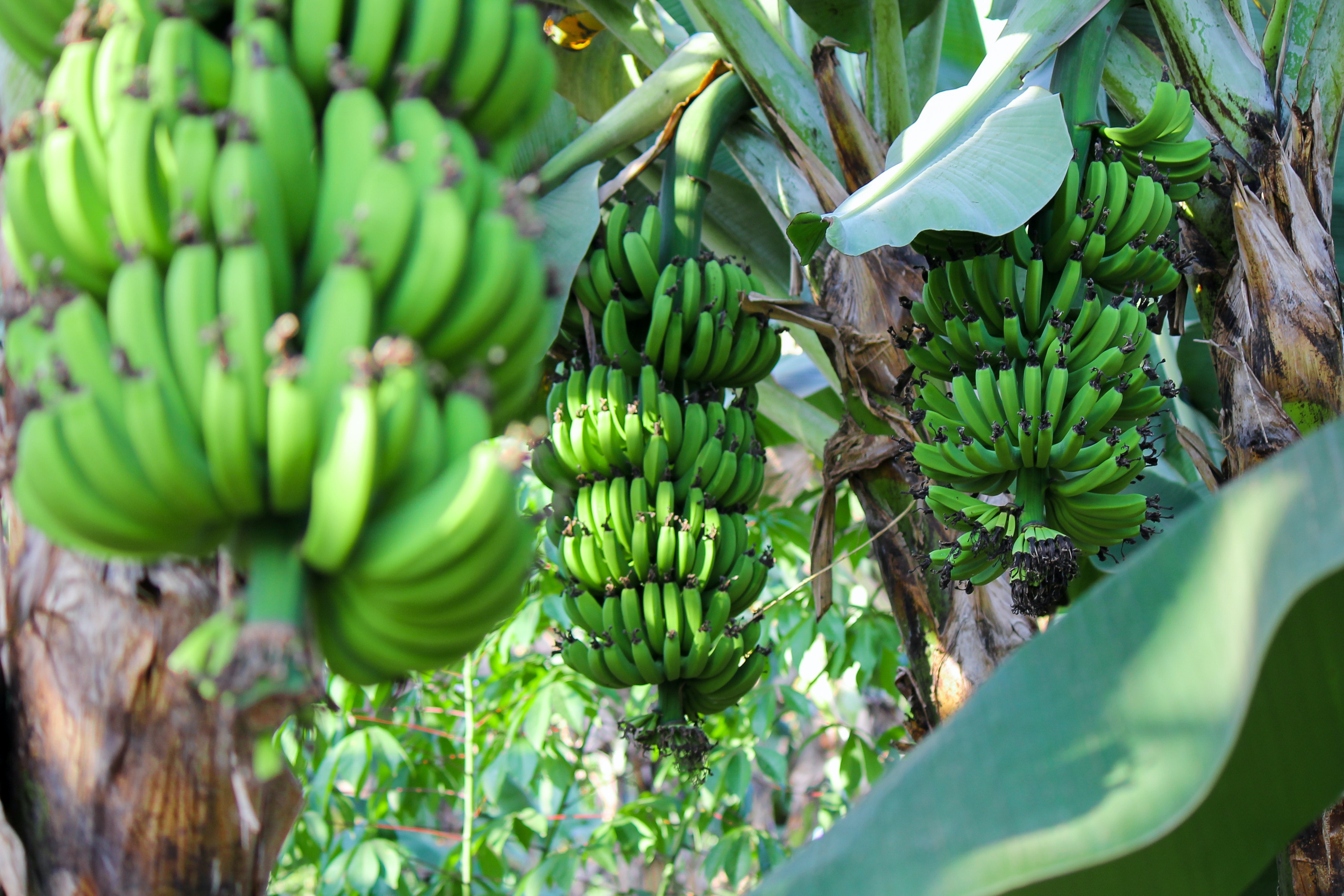
Another staple food in Uganda is the East African highland banana, locally called matooke. The biofortified orange-coloured banana was developed via genetic modification. This further complicates its adoption. Uganda has yet to pass the Genetic Engineering Regulatory Bill to release genetically modified products. Public debates surrounding the issue are not settled. The drastic colour change in the culturally and socially important banana may deter people from eating it. And it costs more for farmers to buy the biofortified plantlet. Matooke growing households tend to use their own banana plantlet or get it from their neighbours.
Call for political attention
The food-based vitamin A deficiency interventions are considered effective, safe and sustainable.
But the deficiency is complicated by additional issues and requires a comprehensive approach. For example, vitamin A is fat-soluble, so people need to eat sufficient fat to absorb the vitamin. And some infectious diseases make vitamin A deficiency worse, so they too should be tackled.
The Ugandan government has expressed its political commitment to address vitamin A deficiency. But it is still an uphill task when many Ugandan children suffer from overall malnutrition and the healthcare system is weak. Nonetheless, vitamin A deficiency is an important issue that demands the political attention.


