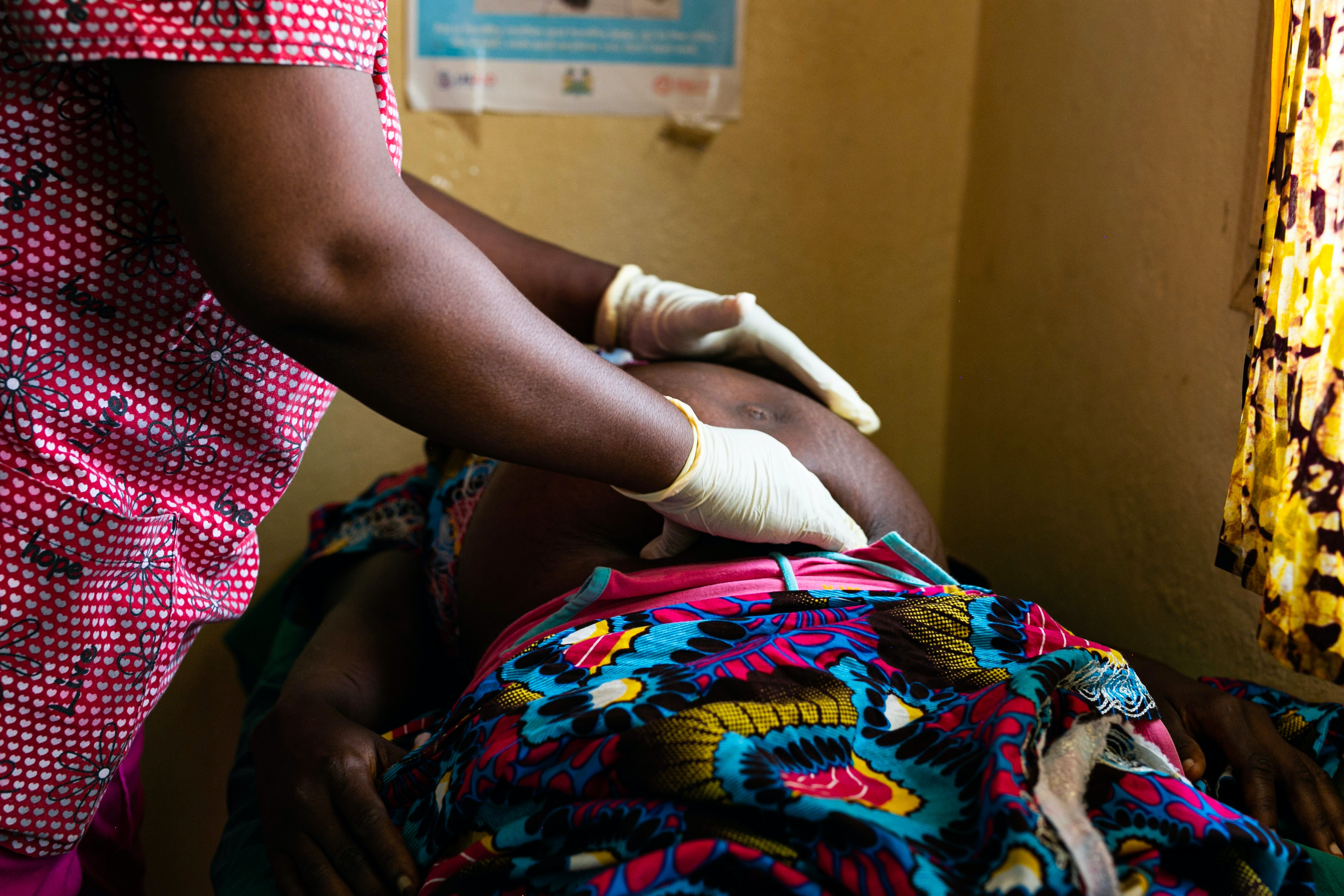
The United Nations Population Fund recently released the 2022 State of World Population report. It highlights that almost half of all pregnancies between 2015 and 2019 were unintended. That amounts to roughly 121 million unintended pregnancies each year.
Unintended pregnancy is defined as pregnancy among women who were not planning to have any (more) children. This includes pregnancies that occurred earlier than desired. The report also says over 60% of unintended pregnancies end in abortion. And 45% of all abortions performed globally are unsafe. About 7 million women a year are hospitalised as a result.
Up to 257 million women who want to avoid pregnancy are not using safe, modern contraception methods. And about a quarter of all women are not able to say no to sex.
A closer look at regional estimates shows how far behind African countries are in preventing these unplanned pregnancies and protecting the reproductive rights of women and girls. While the global rate of unintended pregnancies in Europe and North America was 35 per 1,000 women aged 15 to 49, in sub-Saharan Africa it was 91 per 1,000 women. Within the region it ranged from 49 in Niger to 145 in Uganda.
The drivers of unintended pregnancies in sub-Saharan Africa are complex and operate at individual, household, community and policy levels. Understanding them is important to develop policies and effective interventions to reduce unintended pregnancies and unsafe abortion in the region.
In my view, based on research done in a number of African countries, the high rate of adolescent childbearing in Africa could be the main factor contributing to the stark regional differences reported.
Drivers of unintended pregnancy
At the individual level, poverty, lack of autonomy and low education attainment limit women’s and girls’ access to accurate contraceptive information and services. Some women and girls simply cannot afford to pay for contraceptives. In places where contraceptives are freely available, some women lack accurate knowledge of them and how they work.
In some settings, people interpret religion as prohibiting contraceptive use. They use religion to deny young people accurate contraceptive information. When women and girls lack access to accurate contraceptive information and services, their risk of unintended pregnancy increases.
In a study conducted by the African Population and Health Research Center, adolescent girls in Kenya told us they got pregnant because they were young and naive about relationships and contraceptives. Some of them had to exchange sex for their basic needs. Others were sexually violated. Because they did not seek care in clinics or know about emergency contraception, they were vulnerable to unintended pregnancy. Some had dropped out of school.
Read more: Tricked and uninformed: why so many young girls in Kenya are getting pregnant
At household level, parents seldom communicate well about methods of preventing pregnancy. Where they do talk about it, they focus on abstinence rather than contraceptives, and they sometimes use fear tactics. Another household driver is insufficient financial support from the family, pushing girls into transactional relationships.
Read more: We asked Nigerian students about transactional sex on campus
Quality contraceptive services consist of accurate and sensitive counselling, a wide range of options, and well trained providers. Research has shown that in communities where such services are available and accessible, more women and girls are able to plan their pregnancies.
However, access to quality services is lacking in many African communities. Stock-outs remain a problem for family planning programmes. The COVID-19 pandemic also disrupted the supply of contraceptives and services.
Unintended pregnancies are far higher in gender unequal communities and countries compared to more gender equal countries. Sociocultural norms sometimes discourage women and girls from exercising their choice to use contraceptives, including condoms.
Policy and legal constraints continue to limit access to comprehensive sexuality education and safe abortion in most African countries. Most African countries offer students some sexuality education in response to the HIV epidemic. But what they offer is far from comprehensive and is mostly abstinence-based.
The global gag rule reinstated by the Trump administration also limited access to family planning. This is a US federal policy that prohibited foreign nongovernmental organisations that received US international family planning assistance from using their own, non-US funds to support abortion services in any way.
Many countries in Africa depend on donor funds for their family planning programmes. The global gag rule meant a significant reduction in funding for programmes and clinics providing access to contraceptives for millions of women in Africa. Some programmes and clinics had to close or downsize.
Ways forward
The relationship between social and economic development and unintended pregnancy goes both ways. When women and girls are not empowered or lack autonomy, they are less likely to use contraceptives. They are prone to unintended pregnancy.
Unintended pregnancy, especially among young people, can be disempowering. It can prevent girls and young women from getting the education and skills they need to improve their economic prospects and productivity. Breaking this cycle of early unintended pregnancy is critical to realising socio-economic development in Africa.
Given the deep and lifelong effects of unintended pregnancy on women, their families and society, decision-makers and health systems should prioritise the prevention of unintended pregnancy. This would entail increasing access to quality contraceptive services, particularly in resource-poor settings, and expanding access to sexual and reproductive health information, especially for boys and girls.


