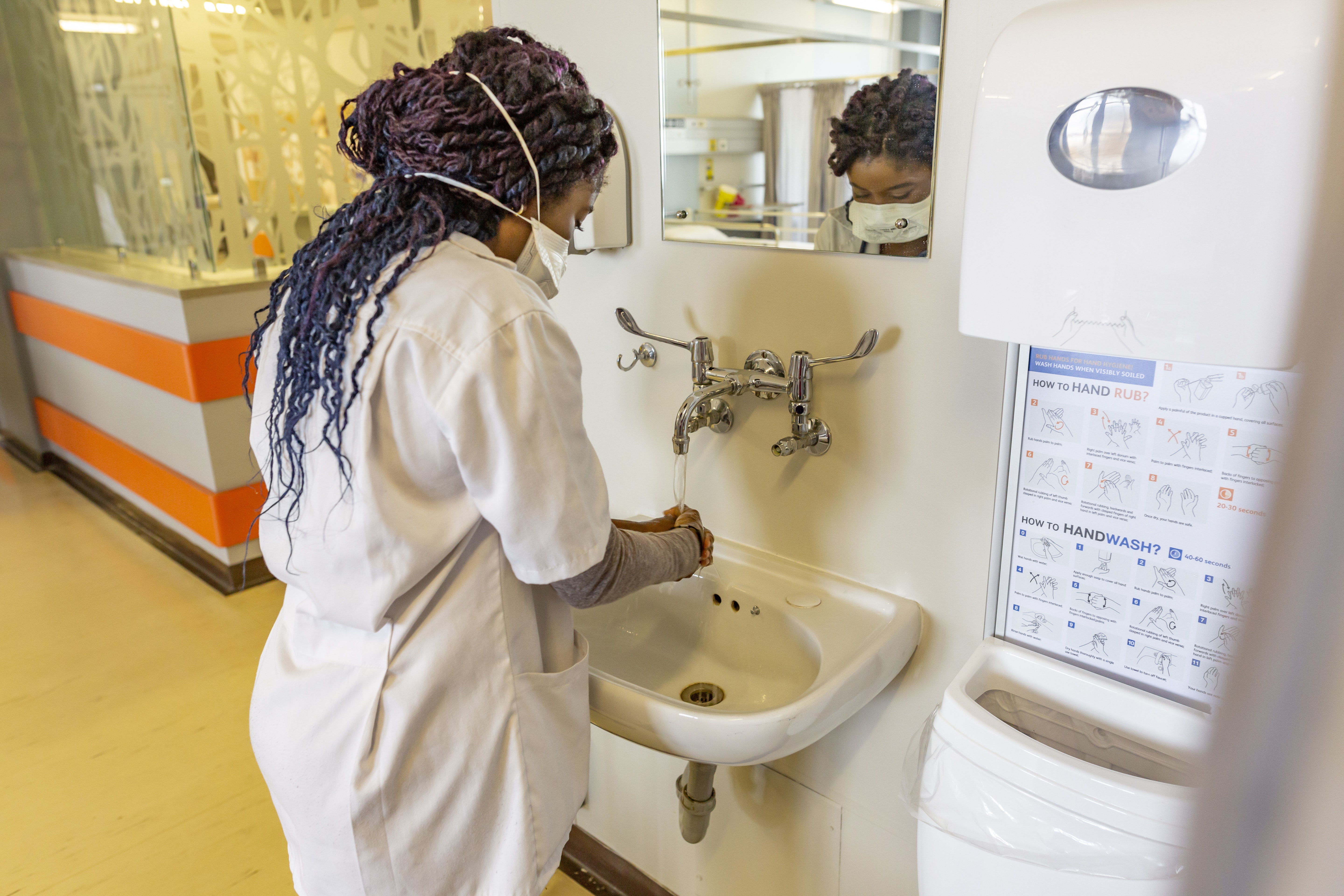
South Africa is a water scarce country. Changing rainfall patterns and the escalating electricity crisis are making the situation worse. Treating and distributing water requires electricity. Some of the country’s biggest cities have had to impose water restrictions and residents in other parts have gone months without regular water supply. Unfortunately, health facilities have not been spared. There have been numerous media reports of hospitals and clinics around the country being hit by water shortages. The Conversation Africa’s Ina Skosana spoke to epidemiologist Husna Ismail about the dangers of clinics and hospitals running out of water.
How common are hospital acquired infections?
The World Health Organization (WHO) defines healthcare-associated infections, or “hospital” infections, as those affecting patients admitted to a healthcare facility. These are infections not present at the time of admission. They also include infections that appear shortly after discharge. Healthcare-associated infections are a significant cause of illness and death in hospitals.
In low- and middle-income countries such as South Africa, the WHO estimates that 15 out of every 100 patients in hospitals will get an infection. In high-income countries the estimate is seven patients out of 100.
Which are the major infections?
Common types of healthcare-associated infections include bloodstream, cerebrospinal fluid, respiratory system, surgical sites, skin and soft tissue, and urinary tract infections. Intravenous and other devices are likely sources of infections in hospital settings.
Microorganisms such as bacteria, viruses, fungi and parasites cause infections. The most common bacterial agents are Staphylococcus aureus, Klebsiella pneumoniae, Acinetobacter baumannii, Pseudomonas aeruginosa and enterococci.
Patients are at higher risk of getting infections if they have underlying conditions. These include but are not limited to diabetes, renal failure and malignancies. Long stays in hospital, surgical or invasive procedures, insertion of medical devices, intravenous tubing, artificial joints replacement, also pose a risk. Patients may develop infection caused by microorganism with emerging antimicrobial resistance while on antimicrobial treatment or been treated a few months to a year before. This makes individuals with antimicrobial resistance less able to fight infection.
Which infections are related to the availability of water?
Delivery of quality healthcare should take place in a hygienically clean and safe environment. This environment must have an adequate supply of clean running water and good sanitation for both patients and staff. The cornerstone of all infection prevention and control programmes is hand hygiene. Hand wash stations with water, soap, clean towels or alcohol-based hand rub should be available in key areas such as toilets and at the points of care. Standards for water quality, sanitation and environmental health should be met. Hand sanitisers must have at least 70% alcohol by volume.
Pathogens such as Legionella and non-tuberculous mycobacteria can contaminate the deep infrastructure such as pipes and drains or outlets of hospital water distribution systems. Other bacteria and moulds tend to adhere to surfaces at or near taps and sinks. Hospital management teams should have systems to address Water, Sanitation and Hygiene (WASH) malfunction or other related issues such as infrastructure.
Infection prevention and control programmes in healthcare facilities are important approaches to help protect vulnerable patients, as well as staff and visitors.
How can hospitals maintain infection control – even during water cuts?
Municipal water supplies to hospitals and communities must be pathogen-free and regularly monitored. Municipalities should have water quality assurance systems in place to ensure clean water. Contaminated municipal water can cause outbreaks that affect community and healthcare settings.
Hospital management should have a risk assessment plan for water shortages. They should communicate with municipalities about the provision of an alternative supply of clean water to the affected areas. Possible solutions could include a permanent (quality assured borehole water) or temporary (watertanks) backup water supply. Those solutions must also be maintained properly to avoid contamination and subsequent infection of patients.


