Pharmaceuticals – drugs used to prevent or treat human and animal diseases – are essential for health and well-being. But the increasing use of these drugs means that remnants of them are showing up in the aquatic environment. They are contaminating our waters.
Pharmaceuticals are part of a group of substances known as emerging contaminants. Although they are potentially harmful to human and ecological health, they are yet to be regulated and routinely monitored in the environment. Most conventional treatment plants typically do not remove emerging pollutants because they were not originally designed for them. These contaminants can enter oceans, rivers, streams, dams and groundwater through waste water and sewage treatment plants, human excretion, landfill leaching, healthcare facilities, pharmaceutical industry effluents and veterinary drug applications.
The contaminants may be transported in water to other places or accumulate in sediments – rocks, sand, soils, decaying materials and vegetation under water – and in creatures that live in water. Some of the effects of these drugs on aquatic organisms include DNA damage, disruptions to hormonal systems and formation of antibiotic resistant microbial strains.
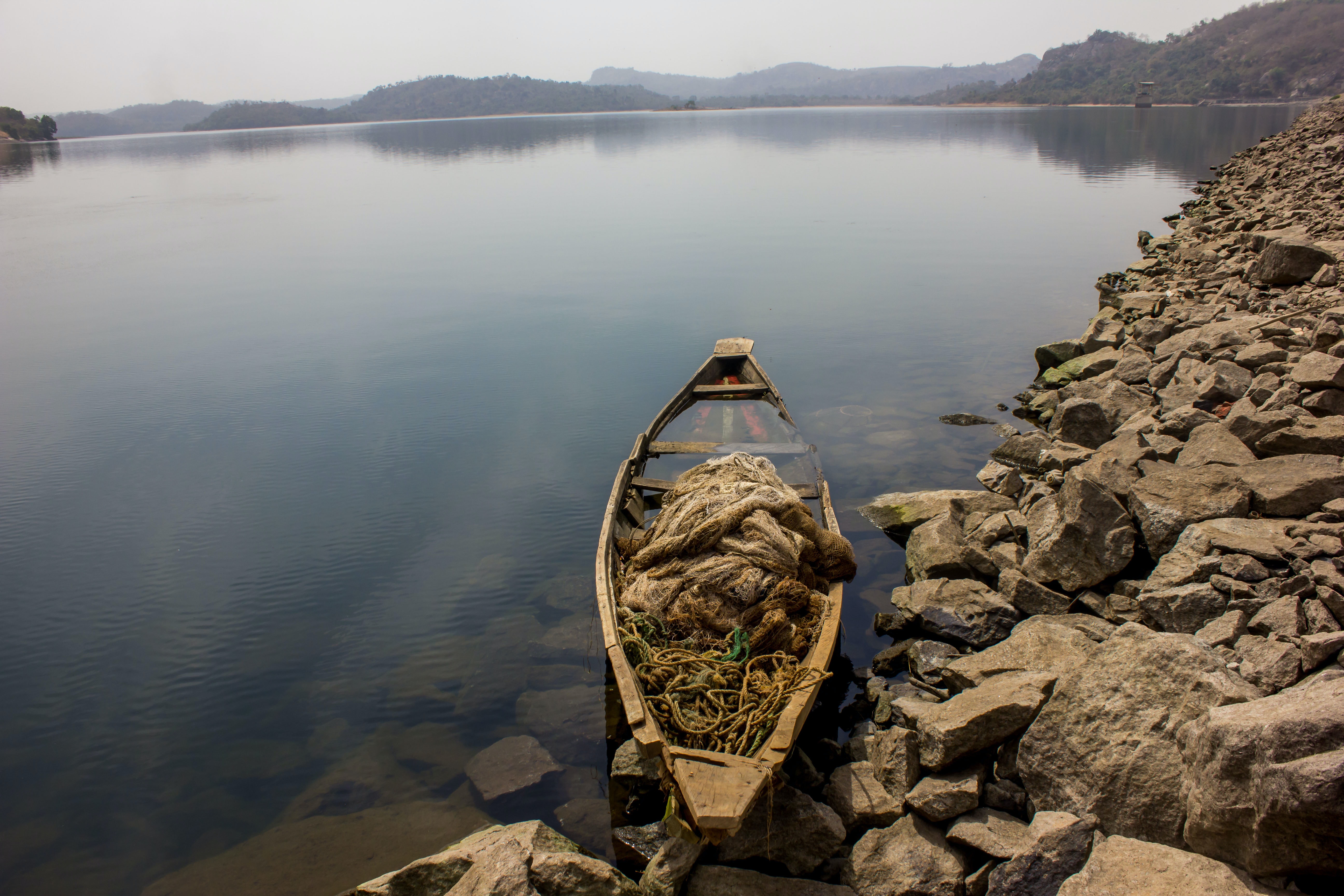
There have been several studies of pharmaceuticals in aquatic environments across the world but only a few studies in African countries. So in our study, we investigated the occurrence of selected pharmaceuticals in water and sediments of Usuma dam in Abuja, Nigeria’s capital. We also assessed the risk of the harm they could do.
We found traces of pharmaceuticals in water and sediment of the dam and that is not good for ecological and public health.
Sink for pollutants
The dam is an important source of potable water and fish for people living in Abuja. It is also a major receiving water body, so acts as a sink for pollutants from the environs. It is surrounded by large unplanned settlements and is the major drain for household, municipal and agricultural wastes in the area.
Our research investigated the occurrence of selected antibiotics and analgesics (painkillers) in water and sediments of Usuma dam.
We looked for antibiotics in water samples and found amoxicillin, ciprofloxacin and metronidazole. Trimethoprim was found in the sediment samples. These antibiotics are used to treat or prevent bacterial infections. Ibuprofen, detected only in sediments, was the only painkiller detected in the study.
We found that amoxicillin and ibuprofen presented a high risk to aquatic life in the dam. Ciprofloxacin constituted medium risk, while metronidazole constituted low risk.
Pharmaceuticals are designed to exert maximum effects at low concentration. Therefore, any concentration found in water and soil is not good for public and ecological health. If these drugs negatively affect the fishes in the dam through accumulation, they may also affect humans who eat them and drink water from the dam. Any consumption of drugs other than a prescribed dose for a particular ailment is a health risk.
We observed that the chief source of pharmaceuticals in the dam is human excretion. Sewage from unplanned settlements that lack basic sanitation and sewage treatment facilities around the dam is disposed of directly onto the ground and eventually drains into the dam. Other likely sources include improper disposal of medical and veterinary waste.
Going forward
The occurrence of pharmaceuticals in the Usuma dam is not an isolated case in Nigeria. Similar studies have reported the presence of pharmaceuticals in Lagos and Ogun state waters and even in sachet water that many Nigerians drink.
The solution to this budding environmental challenge should therefore be a national response.
In 2019, the Nigerian government signed an executive order to tackle open defecation. This is a step in the right direction and should be implemented. It should also be followed up by providing people with sewage and sanitation facilities.
Healthcare centres and hospitals should ensure efficient management of medical wastes according to existing laws and regulations. The government must also strictly monitor sewage from drug manufacturing plants. Finally, government can do more to monitor contamination of water systems and improve awareness of the issue.


